

Commercial Cleaning Best Practices for Country Club Hills Small Businesses
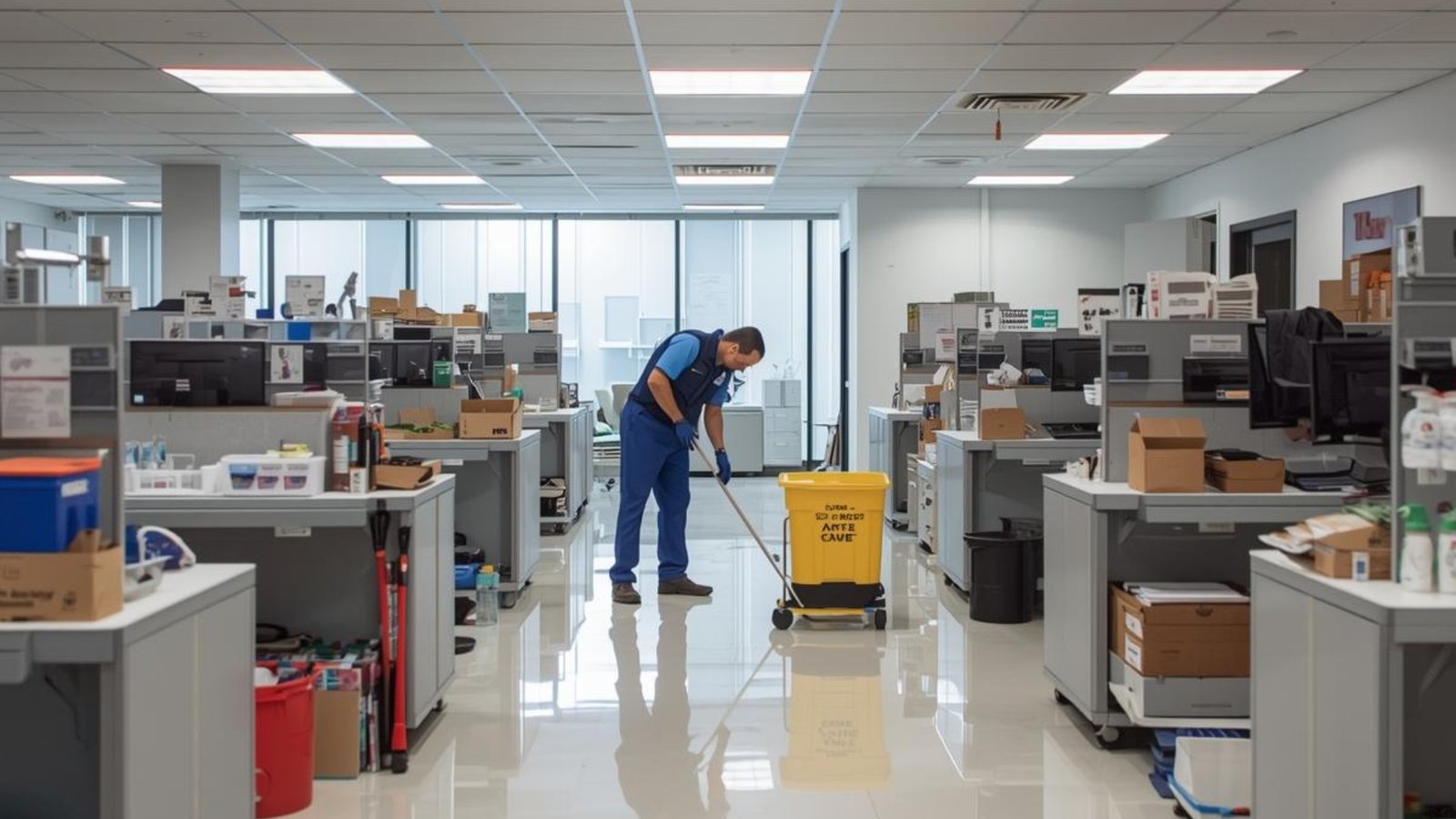
Country Club Hills has established itself as a thriving commercial corridor in Chesterfield County, where small businesses ranging from professional services and medical practices to retail shops and restaurants serve both the local community and visitors from throughout the Richmond area. In this competitive business environment, maintaining exceptional cleanliness isn’t simply about aesthetics—it directly impacts customer perceptions, employee performance, regulatory compliance, and ultimately, your bottom line. A spotless dental office communicates professionalism and attention to patient safety. An immaculate retail boutique invites browsing and purchasing. A clean restaurant dining room assures customers about food safety standards. Yet many small business owners struggle to establish effective cleaning protocols, balancing cost constraints, staffing limitations, and the complexity of commercial cleaning requirements that differ substantially from residential housekeeping. This comprehensive guide provides practical, actionable best practices specifically designed for Country Club Hills small businesses seeking to implement or improve commercial cleaning programs that protect their investments, enhance their professional image, and create environments where both employees and customers thrive.
Why Commercial Cleaning Standards Matter More Than Ever
The stakes for commercial cleanliness have risen dramatically in recent years, driven by multiple factors affecting Country Club Hills businesses.
Post-Pandemic Hygiene Expectations
The COVID-19 pandemic fundamentally altered customer expectations regarding business cleanliness and sanitization. Customers now notice cleaning practices in ways they previously didn’t, making judgments about businesses based on visible cleanliness, sanitization protocols, and attention to high-touch surfaces. These heightened standards persist well beyond the pandemic’s acute phase—customers have recalibrated their expectations permanently.
Country Club Hills businesses competing for customers must meet these elevated standards. A medical practice with visibly dusty surfaces or a restaurant with sticky tables loses business regardless of the quality of its core services or products. Cleanliness has become a primary customer experience factor, not a secondary consideration.
Employee Productivity and Retention
Your team spends significant portions of their lives in your business location. Workspace cleanliness directly affects their performance, health, and job satisfaction. Clean environments reduce illness transmission, keeping your team healthy and productive. Organized, well-maintained spaces support focus and efficiency. Employees working in clean professional environments report higher job satisfaction and take greater pride in their workplace.
In today’s competitive labor market where Country Club Hills businesses vie for quality employees, workplace environment represents a recruitment and retention factor. Top performers expect professional workspace standards matching their skills and compensation.
Regulatory Compliance
Many business types face specific regulatory requirements regarding cleanliness and sanitation. Healthcare facilities must meet stringent medical facility standards. Restaurants and food service businesses face health department inspections. Childcare facilities must maintain safe, sanitary environments. Even general offices have OSHA workplace safety considerations.
Failure to meet regulatory standards results in citations, fines, forced closures, or loss of licenses—outcomes that can devastate small businesses. Proper cleaning protocols ensure compliance, protecting your business license and reputation.
Protecting Your Investment
Your business location represents a substantial financial investment, whether you own or lease. Regular professional cleaning protects this investment by extending the life of flooring, furniture, and fixtures through proper maintenance, preventing deterioration that results from neglect, maintaining property value if you own your location, and avoiding end-of-lease cleaning charges or security deposit losses if you lease.
Carpet replacement costs thousands of dollars; proper maintenance extends carpet life by years. Floor refinishing represents major expense; regular care prevents premature need for refinishing. These protective benefits make professional cleaning a wise business investment, not merely an operational expense.
Developing Your Commercial Cleaning Plan
Effective commercial cleaning begins with a structured plan appropriate for your specific business type and needs.
Assessing Your Business’s Unique Requirements
Different businesses face dramatically different cleaning needs. A medical office requires hospital-grade disinfection protocols. A retail boutique needs presentation-focused cleaning maintaining attractive displays. A restaurant faces food safety and health department standards. Professional offices require reliable maintenance that doesn’t disrupt business operations.
Assessment Questions:
- What are your business hours and when can cleaning occur without disrupting operations?
- What specific regulatory or industry standards apply to your business type?
- Which areas receive the highest customer traffic?
- What surfaces or areas pose the greatest challenges (high-touch surfaces, specialized equipment, etc.)?
- Do you have specialized flooring, fixtures, or equipment requiring particular care?
- What cleaning tasks must occur daily versus weekly or monthly?
Honest assessment of your specific situation allows you to develop realistic cleaning protocols matching your actual needs rather than generic approaches that may overlook critical areas or waste resources on unnecessary tasks.
Daily vs. Periodic Cleaning Tasks
Effective commercial cleaning distinguishes between daily maintenance keeping spaces presentable and functional, and periodic deep cleaning addressing accumulated dirt and long-term maintenance.
Daily Tasks Typically Include:
- Emptying trash and replacing liners
- Cleaning and sanitizing restrooms
- Wiping down reception areas and customer-facing surfaces
- Vacuuming or sweeping high-traffic areas
- Spot-cleaning spills or visible dirt
- Sanitizing high-touch surfaces (door handles, light switches, shared equipment)
- Cleaning break room surfaces and appliances
- General tidying and organization
Weekly Tasks Might Include:
- Thorough vacuuming of all carpeted areas including edges and corners
- Mopping all hard surface floors
- Dusting all surfaces including furniture, shelves, and décor
- Cleaning interior windows and glass partitions
- Detailed restroom cleaning including fixtures and tile
- Kitchen or break room deep cleaning
Monthly or Quarterly Tasks Could Include:
- Carpet deep cleaning or extraction
- Floor stripping and waxing for hard surfaces
- High dusting (ceiling vents, light fixtures, fans)
- Baseboard and trim detailed cleaning
- Exterior window cleaning
- Furniture deep cleaning or conditioning
Commercial Cleaning in Country Club Hills professionals can help you determine appropriate frequencies for various tasks based on your business type, traffic levels, and budget considerations.
Creating Cleaning Checklists
Detailed checklists ensure consistency and accountability whether cleaning is handled by staff, professional services, or a combination. Checklists should specify exactly what gets cleaned, how it gets cleaned (products and methods), when it gets cleaned (daily, weekly, etc.), and who is responsible (specific staff member or service provider).
Digital checklist apps allow easy tracking and documentation, though simple printed checklists work effectively for smaller operations. The key is having clear, written standards rather than relying on memory or assumptions about what “clean” means.
Best Practices by Business Type
While core cleaning principles apply universally, different business types require specialized approaches.
Professional Offices (Legal, Financial, Insurance, Real Estate)
Professional service offices prioritize creating environments that inspire client confidence and support employee productivity.
Reception Areas: These spaces form critical first impressions. Daily cleaning should include dusting reception furniture, cleaning glass doors and surfaces, vacuuming or mopping floors, organizing reading materials, and ensuring the space feels fresh and welcoming. Office Cleaning in Country Club Hills professional services understand that reception areas essentially serve as your business’s handshake—they must be immaculate.
Conference Rooms: These spaces host important client meetings and internal discussions. After each use, tables should be wiped down, chairs straightened, whiteboards cleaned, and any technology checked for functionality. Thorough weekly cleaning addresses floors, windows, and detailed surface cleaning.
Individual Offices: Respect for confidentiality is paramount. Cleaning staff should understand document security, avoid disturbing papers or files, and work within protocols protecting client information. Daily tasks typically include emptying trash, dusting accessible surfaces, and vacuuming floors, while more detailed cleaning occurs weekly or monthly.
Shared Spaces: Break rooms and restrooms require daily attention maintaining sanitary conditions and stocked supplies. These spaces reflect organizational standards and affect employee satisfaction.
Medical and Healthcare Practices
Healthcare facilities face the most stringent cleaning requirements given patient health considerations and regulatory oversight.
Waiting Rooms: High-traffic waiting areas require frequent sanitization of seating, door handles, reception windows, and any reading materials or toys. Many practices now minimize shared items to reduce transmission risks. Daily thorough cleaning and periodic deep cleaning maintain the sanitary standards patients expect.
Examination Rooms: Between patients, all surfaces should be sanitized using EPA-registered hospital-grade disinfectants. Daily comprehensive cleaning addresses floors, baseboards, and all surfaces. Medical equipment requires cleaning per manufacturer specifications and facility protocols.
Restrooms: Medical facility restrooms demand meticulous cleaning and frequent sanitization given patient use. Multiple daily cleanings may be necessary for high-volume practices.
HIPAA Considerations: Cleaning staff must understand HIPAA requirements, maintaining patient confidentiality and securing any patient information encountered during cleaning. Reputable Business Cleaning in Country Club Hills services for medical facilities provide appropriately trained staff understanding healthcare environment requirements.
Retail Businesses
Retail cleanliness directly impacts customer experience and purchasing behavior—clean, organized stores invite browsing and buying.
Sales Floor: Throughout business hours, maintain vigilance for spills, dropped merchandise, and general tidiness. Daily closing procedures should include thorough floor cleaning, straightening merchandise and displays, dusting surfaces, and cleaning entrance glass. The goal is ensuring the store opens fresh and inviting each morning.
Fitting Rooms: These semi-private spaces require particular attention. Clean mirrors, vacuum or sweep floors, and check for any items left behind between customer uses. Deep clean regularly to address accumulated dirt in corners and baseboards.
Restrooms: Customer restrooms reflect directly on your business. Check and clean multiple times daily during business hours. Ensure adequate supplies, address any issues immediately, and maintain pristine conditions.
Storefront and Entrance: Your entrance creates first impressions. Keep glass spotless, sweep entry areas frequently to prevent tracked-in dirt, and ensure the exterior remains inviting. Seasonal considerations matter—remove snow and ice in winter, address fallen leaves in autumn, keep spaces clear and welcoming year-round.
Restaurants and Food Service
Food service establishments face unique challenges combining customer experience, food safety regulations, and health department compliance.
Dining Areas: Throughout service, bus tables promptly, wipe down surfaces between customers, sweep or spot-clean floors as needed, and maintain overall tidiness. After closing, thoroughly clean all surfaces, mop floors, and prepare for the next day’s service.
Restrooms: Restaurant restrooms require checking and cleaning multiple times during operating hours. Customer perception of restaurant cleanliness often hinges on restroom conditions—immaculate restrooms suggest kitchen cleanliness, while dirty restrooms raise concerns about overall food safety standards.
Front-of-House: Host stands, waiting areas, and bar areas all require consistent attention to cleanliness and organization. These spaces contribute significantly to customer experience and dining atmosphere.
Kitchen and Back-of-House: While often handled by kitchen staff rather than general cleaning services, kitchen sanitation is obviously critical. Ensure clear protocols exist for equipment cleaning, surface sanitization, floor maintenance, and trash handling meeting health department standards.
Health Inspections: Regular professional cleaning supports health inspection readiness. Many Country Club Hills restaurants schedule deep cleaning services weekly or bi-weekly specifically to maintain compliance and prevent violations.
Gyms and Fitness Centers
Fitness facilities combine high-traffic intensity with significant sanitation concerns given sweat, shared equipment, and close physical proximity of users.
Equipment Sanitization: All equipment should be sanitized multiple times daily using appropriate disinfectants that kill bacteria and viruses without damaging equipment. Many facilities now provide sanitizing stations encouraging members to wipe equipment after use, but staff cleaning remains essential.
Locker Rooms and Showers: These moisture-rich environments require multiple daily cleanings preventing mold, mildew, and bacterial growth. Use appropriate antimicrobial cleaners and ensure adequate ventilation to manage humidity.
Floors: Gym floors experience heavy traffic and sweat exposure. Daily mopping with disinfectant maintains sanitary conditions. Periodic deep cleaning addresses accumulated buildup.
High-Touch Surfaces: Door handles, light switches, drinking fountains, and check-in areas need frequent sanitization throughout operating hours.
Establishing Cleaning Protocols and Standards
Clear protocols ensure consistent results regardless of who performs cleaning tasks.
Standard Operating Procedures (SOPs)
Develop written SOPs for all cleaning tasks specifying the exact steps for each cleaning activity, products to be used and proper dilution if applicable, safety equipment required (gloves, ventilation, etc.), and time standards for task completion.
SOPs eliminate ambiguity and provide training resources for new cleaning staff or service providers. They also establish accountability—when standards are clearly documented, assessing whether work meets expectations becomes objective rather than subjective.
Product Selection
Choose cleaning products appropriate for your surfaces and business type. Medical facilities require EPA-registered disinfectants. Food service needs food-safe sanitizers. General offices can use standard commercial cleaners. Always follow manufacturer directions for proper use, dilution, and contact time.
Consider green cleaning products if environmental responsibility aligns with your business values. Many effective commercial cleaning products now offer environmentally preferable ingredients without sacrificing cleaning power. Country Club Hills businesses serving environmentally conscious customers often find green cleaning protocols enhance their brand positioning.
Safety Considerations
Cleaning involves chemical products, physical labor, and potential hazards requiring appropriate safety protocols. Ensure all cleaning staff understand chemical safety, proper storage, handling, and disposal. Provide necessary safety equipment such as gloves, eye protection, and ventilation. Use proper lifting techniques to prevent injury. Mark wet floors appropriately to prevent slip hazards. Store cleaning products securely away from customers and in compliance with any regulations applicable to your business type.
Quality Control and Inspection
Implement regular inspections ensuring cleaning standards are consistently met. For businesses using cleaning services, schedule periodic walkthroughs with the service provider discussing any concerns or areas needing improvement. For businesses with staff performing cleaning, managers should regularly inspect and provide feedback.
Document inspection results, creating accountability and tracking improvement over time. Many businesses use simple rating systems scoring cleanliness in different areas, allowing quick assessment of trends and problem areas.
In-House Cleaning vs. Professional Services
Country Club Hills small businesses must decide whether to handle cleaning in-house using existing staff or outsource to professional commercial cleaning services.
In-House Cleaning Considerations
Potential Advantages:
- Direct control over cleaning schedule and standards
- No additional vendor management
- Potential cost savings if staff have downtime for cleaning duties
Significant Challenges:
- Takes staff time away from primary business functions
- Requires purchasing and maintaining cleaning equipment and supplies
- Staff may lack training in proper commercial cleaning techniques
- Inconsistent results when cleaning is secondary to staff’s primary role
- Potential liability if staff are injured during cleaning tasks
- Difficulty achieving professional-quality results, particularly for specialized tasks like carpet cleaning or floor care
For very small businesses with minimal square footage and low traffic, in-house cleaning might work adequately. However, most businesses find that quality suffers, costs exceed expectations when properly accounting for staff time and supplies, and management burden increases as they must oversee yet another operational area.
Professional Commercial Cleaning Services
Advantages:
- Professional results using commercial equipment and proven techniques
- Trained staff who understand proper cleaning methods and safety protocols
- Appropriate insurance protecting your business from liability
- Consistent, reliable service on scheduled basis
- Your staff focuses on core business activities that generate revenue
- Access to specialized services like carpet extraction, floor refinishing, or window cleaning
- Scalability—easily adjust service levels based on changing needs
Considerations:
- Monthly or per-service costs
- Need to manage vendor relationship
- Coordinating access to your facility
- Finding a reliable, trustworthy service provider
For most Country Club Hills small businesses, professional cleaning services deliver superior value when the total costs (direct expenses, staff time, equipment, supplies, management attention, and quality results) are comprehensively compared. Office Cleaning Services in Country Club Hills providers typically offer flexible programs accommodating various business sizes, budgets, and schedules.
Hybrid Approaches
Some businesses successfully combine approaches, using professional services for comprehensive periodic cleaning (weekly or bi-weekly) while having staff handle light daily maintenance like emptying trash, quick restroom checks, and spot-cleaning spills. This hybrid model can work well for certain business types, capturing professional expertise for technical cleaning while managing costs through staff handling simple tasks.
Scheduling Strategies for Minimal Business Disruption
Commercial cleaning should support your operations, not disrupt them.
After-Hours Cleaning
Most Country Club Hills offices and retail businesses schedule cleaning outside business hours—early mornings before opening or evenings after closing. This approach eliminates disruption to daily operations, allows cleaners unrestricted access to all areas, reduces noise and distraction during business hours, and ensures facilities are fresh and ready when employees and customers arrive.
After-hours cleaning requires providing building access to cleaning staff and may involve building security protocols. Reputable cleaning companies maintain rigorous hiring standards, background checks, and bonding specifically because their staff work unsupervised in client facilities.
During-Hours Maintenance
Businesses operating extended hours or 24/7 may require during-hours cleaning maintenance. For high-traffic retail or food service, this might include continuous light cleaning, restroom checks, and spot maintenance throughout operating hours, supplemented by comprehensive after-hours deep cleaning.
During-hours cleaning requires coordination ensuring cleaners don’t disrupt customer experiences, work efficiently in occupied spaces, and maintain professional appearance and demeanor around customers.
Weekend Services
Some businesses prefer weekend cleaning, particularly those operating Monday-Friday schedules. Weekend services ensure absolutely no overlap with business operations and may offer cost advantages if cleaning companies offer better weekend rates to maximize their equipment and staff utilization.
Budgeting for Commercial Cleaning
Understanding cleaning costs helps small businesses make informed decisions and set appropriate budgets.
Cost Factors
Commercial cleaning costs vary based on square footage (larger spaces cost more), cleaning frequency (daily service costs more than weekly), business type and specific requirements (medical facilities requiring specialized protocols cost more than basic offices), level of service (basic maintenance versus comprehensive cleaning), and your location and local market rates.
Country Club Hills commercial cleaning typically ranges from $0.10-$0.30+ per square foot for standard services, with specialized services or high-frequency cleaning at the higher end. A 2,000 square foot office might cost $200-600 monthly for weekly basic cleaning, while daily service with more comprehensive protocols might range $800-1,500 monthly.
Evaluating Value vs. Cost
The cheapest service rarely delivers the best value. Consider quality and consistency of results, reliability and responsiveness to concerns, appropriate insurance and bonding protection, specialized expertise for your business type, and included supplies and equipment versus services charging separately.
A slightly more expensive service delivering consistently superior results, maintaining reliable schedules, and responding promptly to concerns provides dramatically better value than cheap services requiring constant monitoring, generating customer complaints about facility conditions, or creating liability risks through inadequate insurance.
Return on Investment
While cleaning represents an operational expense, it delivers measurable returns: improved customer experience driving revenue, reduced employee sick days through better sanitation, extended life of flooring, furniture, and fixtures through proper maintenance, regulatory compliance avoiding fines or closures, and enhanced business reputation attracting customers and employees.
These benefits often exceed direct cleaning costs, making professional commercial cleaning a genuine business investment rather than merely an expense to minimize.
Managing Your Cleaning Service Relationship
If using professional cleaning services, active relationship management maximizes results.
Clear Initial Expectations
Begin the relationship with detailed discussions of your priorities, concerns, and requirements. Walk through your facility with the service provider pointing out areas needing special attention, surfaces requiring specific care, and any restrictions or protocols they should follow. Document these expectations in your service agreement.
Regular Communication
Maintain open communication channels. Provide both positive recognition when services meet or exceed expectations and constructive feedback addressing concerns. Most quality companies appreciate specific feedback helping them better serve your needs.
Periodic Reviews
Schedule quarterly or semi-annual formal reviews assessing service quality, discussing any evolving needs, and adjusting service levels if your business has changed. These structured conversations strengthen the partnership and ensure alignment.
Addressing Issues Promptly
When problems arise, communicate clearly and promptly. Most service issues stem from miscommunication rather than incompetence or negligence. Quality cleaning companies want satisfied clients and will address legitimate concerns when you bring them to their attention.
Professional Commercial Cleaning for Country Club Hills Businesses
Clockwork Cleaning VA delivers comprehensive commercial cleaning solutions designed specifically for Country Club Hills small businesses across diverse industries. Our experienced team understands the unique requirements of professional offices, medical practices, retail businesses, and other commercial environments, providing customized cleaning protocols that support your business success. We offer flexible scheduling accommodating your operational needs, use commercial-grade equipment and appropriate products for your business type, maintain proper insurance and bonding protecting your interests, and deliver consistently excellent results allowing you to focus on your core business rather than facility maintenance concerns. From daily maintenance to specialized deep cleaning services, we ensure your Country Club Hills business maintains the professional appearance and sanitary conditions your customers expect and your employees deserve. Contact us today to discuss Local Commercial Cleaning in Country Club Hills customized for your specific business needs and discover how professional cleaning supports your business growth and success.