

Office Disinfection Strategies for Businesses in Kinloch
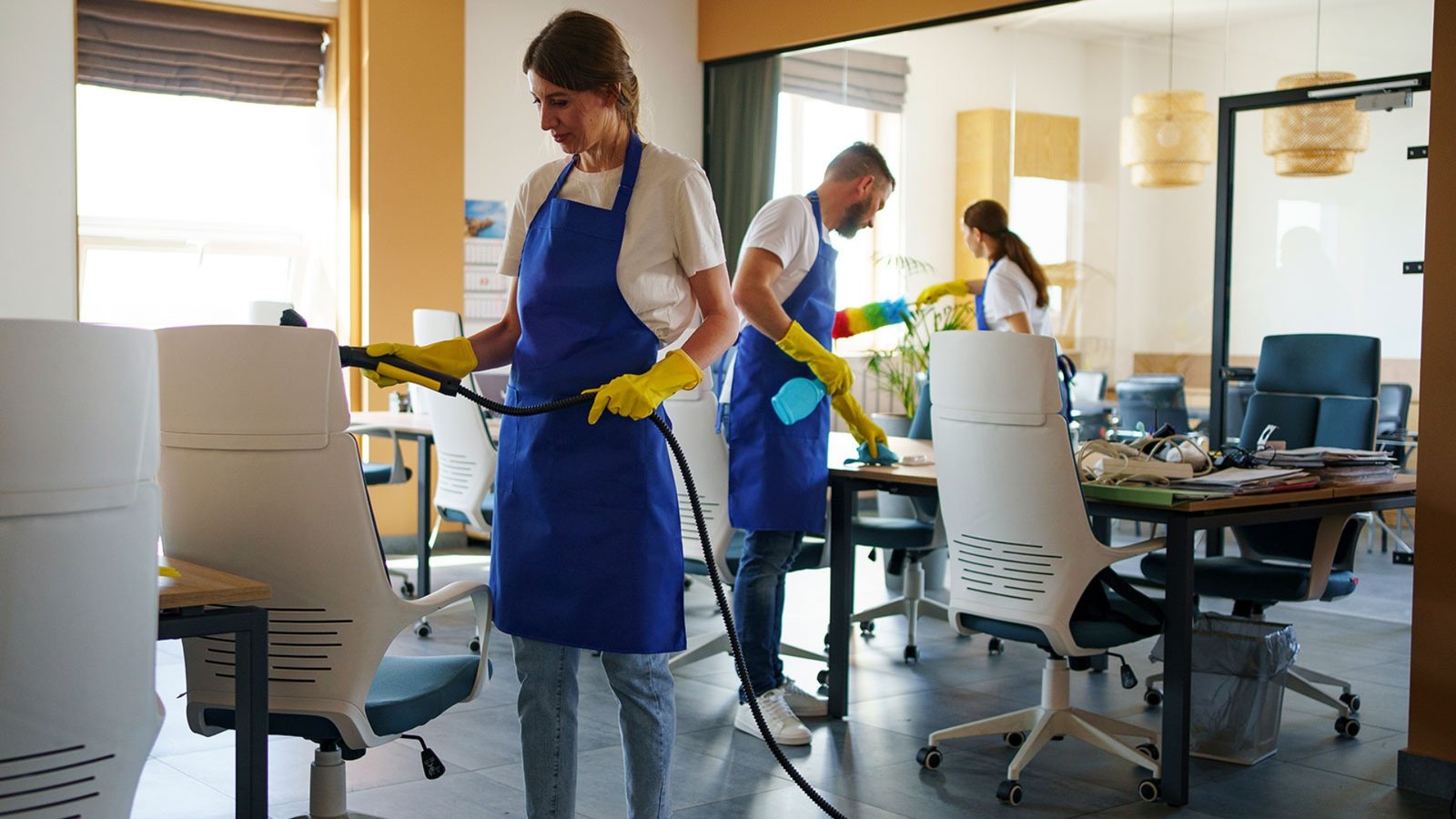
Kinloch, as Richmond’s oldest incorporated African-American town, holds unique historical significance while serving as home to diverse businesses ranging from small professional offices to service providers serving both the local community and the broader Richmond region. In the post-pandemic era, workplace health and sanitation have evolved from background concerns to primary business priorities affecting employee wellbeing, customer confidence, operational continuity, and even legal liability. Employees now evaluate potential employers based partly on visible health and safety measures, while customers make purchasing decisions influenced by businesses’ cleanliness and disinfection practices. For Kinloch’s business community—where many operations are small to mid-sized enterprises without dedicated facilities management teams—implementing effective office disinfection strategies requires balancing health protection with practical constraints of limited budgets, staff capacity, and operational demands. This comprehensive guide provides Kinloch business owners and managers with actionable disinfection strategies grounded in CDC and EPA guidance, adapted for real-world small business environments, and designed to create genuinely safer workplaces without unsustainable cost or disruption to daily operations.
Understanding the Difference: Cleaning vs. Sanitizing vs. Disinfecting
Effective office health protection requires understanding these distinct processes and when each is appropriate.
Cleaning: Removing Visible Dirt and Debris
Cleaning removes dirt, dust, and organic matter from surfaces using soap or detergent and water. This process physically removes many germs but doesn’t necessarily kill them. Cleaning is essential first step before sanitizing or disinfecting—disinfectants work less effectively on visibly dirty surfaces where organic matter can shield pathogens from chemical action.
When Cleaning Alone Suffices:
- General office surfaces with low public contact
- Floors in low-traffic areas
- Furniture and décor items
- Personal desk spaces (though occupants may want additional disinfection)
Sanitizing: Reducing Germs to Safe Levels
Sanitizing reduces—but doesn’t necessarily eliminate—germs to levels public health standards consider safe. Sanitizers work more quickly than disinfectants and are typically used where complete germ elimination isn’t required but reduction is desirable.
When Sanitizing Is Appropriate:
- Food contact surfaces in break rooms
- Children’s toys or play areas if your business serves families
- Surfaces requiring frequent treatment where constant disinfection would be impractical
Disinfecting: Killing Germs on Surfaces
Disinfecting uses EPA-registered chemicals killing specific pathogens listed on product labels. Disinfectants require specified “contact time”—the period the surface must remain wet with disinfectant for the product to effectively kill targeted germs. Many disinfectants require 5-10 minutes of contact time, though some newer products work faster.
When Disinfection Is Essential:
- High-touch surfaces in public or shared areas
- Restrooms
- Areas exposed to sick individuals
- Food preparation surfaces (using food-safe disinfectants)
- Medical or healthcare environments
Critical Point: “Disinfectant” spray applied and immediately wiped away hasn’t had contact time to work—it’s essentially just cleaning. True disinfection requires following product label instructions for contact time.
Identifying High-Priority Disinfection Areas in Kinloch Offices
Strategic disinfection focuses on surfaces where pathogen transmission most commonly occurs.
High-Touch Surfaces Requiring Daily Disinfection
Entry and Reception Areas:
- Door handles and push plates
- Reception desk surfaces where visitors lean or sign documents
- Waiting area chair arms and surfaces
- Elevator buttons (if applicable)
- Pens used by multiple people (or switch to disposable pens)
These surfaces see contact from numerous individuals daily, including visitors whose health status is unknown, making them prime transmission vectors.
Shared Office Equipment and Spaces:
- Printer/copier touchscreens and buttons
- Fax machines and shared phone receivers
- Conference room tables and chairs
- Microwave, refrigerator, and coffee maker handles in break rooms
- Water cooler dispensers
- Shared keyboards or tablets
- Light switches in shared spaces
Equipment multiple employees touch throughout the day facilitates pathogen transmission between coworkers.
Restrooms:
- All toilet and urinal handles
- Sink faucets and soap dispensers
- Door handles (both inside and outside)
- Stall door latches
- Paper towel dispensers
- Light switches
- All countertop surfaces
Restrooms harbor numerous pathogens and require multiple daily disinfections in businesses with moderate to high employee or customer traffic.
Personal Desk Spaces: While employees generally manage their own desk areas, providing disinfecting supplies allows them to clean phones, keyboards, mice, and work surfaces—items they touch constantly throughout the day.
Medium-Priority Areas for Regular Disinfection
These areas benefit from disinfection several times weekly even if not requiring daily attention:
- Stair railings
- Window sills and blinds in common areas
- Filing cabinet handles
- Shared storage areas
- Vending machines
- Break room tables and chairs
- Thermostats and HVAC control panels
Lower-Priority Surfaces
These areas need regular cleaning but may not require frequent disinfection unless specific contamination occurs:
- Walls (except in healthcare settings)
- Floors (regular cleaning removes most pathogens)
- Ceilings
- Decorative items with minimal contact
- Personal offices with single occupants
Understanding priority levels allows businesses to allocate disinfection resources effectively, ensuring critical areas receive adequate attention without wasting effort on low-transmission surfaces.
Selecting Appropriate Disinfection Products
The EPA maintains a list of disinfectants proven effective against specific pathogens—choosing appropriate products is essential for effective disinfection.
EPA-Registered Disinfectants: The Gold Standard
Only EPA-registered disinfectants have been tested and verified to kill specific pathogens when used according to label directions. Look for EPA registration numbers on product labels—this confirms you’re using proven-effective disinfectants rather than mere cleaning products marketed with health-related claims.
EPA List N: During the COVID-19 pandemic, the EPA compiled “List N”—disinfectants proven effective against SARS-CoV-2. Products on this list also effectively kill many other pathogens including influenza, norovirus, and common bacteria. For Kinloch businesses, choosing List N products provides confidence you’re using disinfectants effective against current and emerging health threats.
Common EPA-Registered Disinfectant Types
Quaternary Ammonium Compounds (“Quats”):
- Commonly used in commercial settings
- Relatively low toxicity
- Doesn’t require rinsing on most surfaces
- Effective against many bacteria and some viruses
- Examples: Lysol Disinfectant Spray, Clorox Disinfecting Wipes
Bleach Solutions (Sodium Hypochlorite):
- Highly effective against broad spectrum of pathogens
- Inexpensive
- Requires proper dilution (typically 1/3 cup bleach per gallon water for disinfection)
- Can damage or discolor some surfaces
- Produces fumes requiring adequate ventilation
- Must be prepared fresh daily as effectiveness degrades
Hydrogen Peroxide-Based Disinfectants:
- Effective against many pathogens
- Breaks down into water and oxygen (environmentally friendly)
- Generally safe for most surfaces
- Some formulations work faster than traditional disinfectants
- Examples: Clorox Healthcare, Lysol Hydrogen Peroxide products
Alcohol-Based Disinfectants:
- Effective against many bacteria and viruses
- Evaporates quickly (short contact time)
- Flammable—storage and use require caution
- Can damage some surfaces with repeated use
- Common in hand sanitizers and quick-dry surface sprays
Product Selection Considerations for Kinloch Businesses
Surface Compatibility: Ensure chosen disinfectants won’t damage your specific surfaces. Some products damage wood, discolor fabrics, or corrode metals with repeated use.
Contact Time: Check product labels for required contact time. Products requiring 10-minute contact times may be impractical for high-traffic surfaces needing frequent disinfection. Some newer products work in 1-3 minutes, offering greater practicality for busy offices.
Ease of Use: Pre-mixed sprays or wipes offer convenience over products requiring dilution, though they cost more per use. For small offices with limited disinfection needs, convenience may outweigh cost considerations. Larger operations might prefer concentrated products diluted in-house for cost efficiency.
Safety Considerations: Read safety data sheets (SDS) for products you’re considering. Some disinfectants require personal protective equipment, adequate ventilation, or special handling—factors affecting whether they’re practical for your specific situation.
Environmental Impact: If environmental responsibility is a business value, look for EPA Safer Choice certified products or those with reduced environmental impact while still providing effective disinfection.
Implementing Effective Disinfection Protocols
Having appropriate products and identifying target areas is just the beginning—systematic protocols ensure consistent, effective disinfection.
Creating a Disinfection Schedule
Daily Disinfection (High-Touch Surfaces):
- Reception and entry areas: 2-3 times daily
- Restrooms: 3-4 times daily (more in high-traffic businesses)
- Break room surfaces: After lunch rush and end of day
- Shared equipment: 2-3 times daily
- Conference rooms: After each use
Weekly Disinfection (Medium-Priority Areas):
- Stairway railings
- Window treatments in common areas
- Shared storage handles
- Less-frequently-used shared spaces
As-Needed Disinfection:
- Any surface contacted by visibly sick individuals
- Areas where spills or contamination occur
- After any suspected exposure event
Document schedules clearly, assigning specific responsibilities. “Someone should disinfect the break room” is far less effective than “Sarah disinfects break room surfaces daily at 1pm after lunch rush.”
Proper Disinfection Technique
Many disinfection attempts fail through improper technique rather than inadequate products.
Step-by-Step Effective Disinfection:
- Clean first: Remove visible dirt and debris with soap and water or general cleaner. Disinfectants work poorly on dirty surfaces.
- Apply disinfectant thoroughly: Surfaces must be completely wet with disinfectant. Light misting isn’t sufficient—spray until surfaces glisten with product.
- Observe contact time: Allow surfaces to remain wet for the time specified on product labels—typically 5-10 minutes for traditional products, 1-3 minutes for some newer formulations. If surfaces dry before contact time completes, reapply product.
- Air dry or wipe: Some products require air drying; others permit wiping after contact time. Follow label instructions.
- Rinse if required: Some disinfectants require rinsing from food contact surfaces or areas where children might have hand-to-mouth contact. Check labels.
Common Mistakes to Avoid:
- Spraying and immediately wiping (doesn’t allow contact time)
- Using expired products (effectiveness degrades over time)
- Mixing different disinfectants (can create dangerous chemical reactions)
- Using insufficient product (surfaces must be thoroughly wet)
- Disinfecting visibly dirty surfaces without cleaning first
Staff Training on Disinfection Protocols
Whether disinfection is handled by dedicated cleaning staff, regular employees, or Commercial Cleaning in Kinloch professional services, everyone involved requires proper training.
Training Should Cover:
- Difference between cleaning and disinfecting
- Importance of contact time
- Proper product application technique
- Personal protective equipment requirements (if applicable)
- Safety considerations for products used
- Schedule and responsibilities
Consider brief initial training sessions for all staff, with more detailed training for those with primary disinfection responsibilities. Annual refresher training maintains competency and allows updates as protocols or products change.
Personal Protective Equipment (PPE)
Some disinfectants require PPE protecting workers from chemical exposure.
Common PPE Requirements:
- Gloves (often disposable nitrile gloves)
- Eye protection (for products that might splash)
- Respiratory protection (for products producing strong fumes)
Always check product labels and safety data sheets for specific PPE recommendations. Providing appropriate PPE protects workers and ensures compliance with OSHA requirements.
Special Disinfection Considerations by Business Type
Different Kinloch business types face unique disinfection challenges.
Professional Offices (Legal, Financial, Real Estate)
These offices typically see moderate foot traffic from scheduled appointments.
Key Strategies:
- Disinfect reception areas between client appointments when possible
- Provide hand sanitizer at entrance and reception
- Disinfect conference rooms between meetings
- Encourage clients to use pens they can keep rather than shared pens
- Daily disinfection of restrooms and high-touch surfaces sufficient for most professional offices
Healthcare and Wellness Practices
Medical offices, dental practices, physical therapy clinics, and similar businesses require enhanced protocols.
Requirements:
- EPA-registered hospital-grade disinfectants
- More frequent disinfection (between every patient in treatment areas)
- Enhanced PPE for cleaning staff
- Compliance with OSHA Bloodborne Pathogens Standard if applicable
- Documented cleaning protocols meeting regulatory standards
Office Disinfection in Kinloch healthcare settings often benefits from professional cleaning services with healthcare facility expertise ensuring compliance with stringent regulatory requirements.
Retail and Service Businesses
Customer-facing businesses with walk-in traffic face continuous exposure to potential pathogens.
Key Strategies:
- Disinfect checkout counters, credit card machines, and door handles multiple times daily
- Provide hand sanitizer for customer use
- Disinfect fitting rooms between uses if applicable
- Clean and disinfect any product testing areas
- Consider physical barriers (plexiglass shields) at checkout reducing surface contamination
Shared Office Spaces and Coworking Environments
These environments present unique challenges with multiple businesses and constant turnover.
Approaches:
- Provide disinfecting supplies for members to clean workspaces before and after use
- Professional cleaning with disinfection of all shared surfaces multiple times daily
- Clear protocols and signage encouraging personal responsibility
- Enhanced disinfection of conference rooms and shared equipment between uses
Addressing Indoor Air Quality and Ventilation
Surface disinfection alone doesn’t address airborne pathogen transmission—ventilation and air filtration play crucial roles in comprehensive office health strategies.
Improving Ventilation
Increased outdoor air exchange dilutes indoor pathogen concentrations. Strategies include:
- Opening windows when weather permits (though not always practical in Richmond’s hot, humid summers or cold winters)
- Ensuring HVAC systems bring in adequate outdoor air rather than simply recirculating indoor air
- Running ventilation systems continuously during occupied hours rather than intermittently
- Ensuring bathroom and kitchen exhaust fans vent outdoors and function properly
Upgrading Air Filtration
HVAC filters with higher MERV ratings (11-13) capture more airborne particles including some virus-containing droplets than standard low-efficiency filters.
Considerations:
- Verify your HVAC system can accommodate higher-efficiency filters without restricting airflow
- Change filters on schedule—dirty high-efficiency filters restrict airflow negating their benefits
- Balance filtration improvements with energy costs
Portable HEPA Air Purifiers
For offices where HVAC upgrades aren’t feasible, portable HEPA air purifiers in key areas (reception, conference rooms) improve air quality without building system modifications.
Selection Criteria:
- Choose units sized appropriately for room dimensions
- Look for true HEPA filtration (not “HEPA-type”)
- Consider noise levels—some units are too loud for office environments
- Calculate operating costs including filter replacement
Managing Disinfection Costs for Small Businesses
Effective disinfection need not break budgets if approached strategically.
Cost-Effective Product Sourcing
Bulk Purchasing: Buying disinfectants in concentrate form or larger quantities reduces per-use costs significantly. Warehouse stores, commercial janitorial suppliers, or group purchasing with neighboring businesses reduces expenses.
Generic vs. Name Brand: EPA-registered generic disinfectants often cost half what name brands do while delivering equivalent effectiveness. Check EPA registration numbers confirming effectiveness rather than paying for brand recognition.
Appropriate Product for Task: Don’t use expensive specialized disinfectants where general-purpose products suffice. Save specialized (often pricier) products for situations specifically requiring them.
Balancing DIY and Professional Services
DIY Disinfection: Small offices with limited square footage and few employees can manage disinfection in-house with trained staff following proper protocols.
Professional Services: Larger offices, businesses with high traffic, or those lacking staff capacity benefit from Business Cleaning in Kinloch professional services with proper equipment, trained staff, and systematic approaches ensuring consistent coverage.
Hybrid Models: Some businesses handle daily light disinfection in-house while contracting professional services for thorough weekly or bi-weekly deep cleaning and disinfection. This balances cost control with professional expertise.
Calculating ROI on Disinfection Investment
Compare disinfection costs against potential savings:
Reduced Employee Absenteeism: Effective disinfection reduces illness transmission, decreasing sick days. For a 10-person office where comprehensive disinfection costs $300 monthly but prevents even 3-4 sick days monthly (conservatively), the productivity preservation alone justifies investment.
Customer Confidence: In customer-facing businesses, visible health and safety measures influence patronage. Customers choosing your business over competitors based partly on cleanliness generate revenue offsetting disinfection costs.
Regulatory Compliance: For regulated industries, proper disinfection prevents violations, fines, or closures far costlier than preventive measures.
Documentation and Compliance
Maintaining records of disinfection activities provides multiple benefits.
Cleaning Logs
Simple logs documenting when areas were disinfected, by whom, and with what products create accountability and verify protocol compliance.
Benefits:
- Ensures scheduled disinfection occurs consistently
- Provides evidence of due diligence if health issues arise
- Identifies gaps or problems in protocols
- Supports quality improvement efforts
Product Safety Data Sheets (SDS)
OSHA requires businesses to maintain SDS for all hazardous chemicals including many disinfectants. Keep SDS:
- In accessible location known to all staff
- For every disinfectant product used
- Updated as products change
Employee Training Records
Document disinfection training provided to staff including dates, topics covered, and attendees. This supports compliance and demonstrates commitment to proper procedures.
Inspection and Audit Protocols
Regular inspections verify disinfection protocols are being followed correctly. Monthly or quarterly audits catch problems before they become systemic failures.
Communicating Health and Safety Measures
Visible evidence of disinfection practices reassures employees and customers.
Signage
Strategic signage demonstrates commitment to health: “This area disinfected [frequency],” hand hygiene reminders near sinks and sanitizer stations, and capacity limits for shared spaces like conference rooms.
Transparency with Employees
Inform staff about disinfection protocols, products used, schedule, and any changes. Employee confidence in workplace safety affects morale, productivity, and retention.
Customer Communication
For customer-facing businesses, communicate health measures through website content describing protocols, visible disinfection practices during business hours, and physical evidence like sanitizer stations and cleaning supplies in view.
Emerging Technologies and Alternatives
Beyond traditional disinfection, emerging technologies offer additional protection options.
Electrostatic Sprayers
These devices apply disinfectant in electrically charged droplets that wrap around and adhere to surfaces more effectively than traditional spraying. Benefits include faster application of large areas, better coverage including hard-to-reach surfaces, and reduced product waste. Professional cleaning services often use electrostatic sprayers for comprehensive disinfection.
UV-C Light Disinfection
UV-C light kills pathogens on surfaces and in air but requires specialized equipment and safety protocols preventing human UV exposure. Most practical for specialized applications rather than general office disinfection.
Antimicrobial Surface Coatings
Some coatings claim to provide continuous antimicrobial protection on treated surfaces. Effectiveness varies, and these should supplement rather than replace regular disinfection.
When to Bring in Professional Disinfection Services
Professional services make sense in various circumstances.
Regular Professional Disinfection
Businesses benefiting most from ongoing professional services include those with high traffic volumes, limited staff capacity for consistent in-house disinfection, complex facilities with numerous rooms or areas, regulatory requirements for documented professional cleaning, and customer-facing operations where cleanliness directly impacts business.
Specialized Disinfection Events
Certain situations warrant professional intervention beyond regular cleaning: after confirmed or suspected COVID-19 cases or other contagious disease exposure, following water damage or flooding creating contamination concerns, for comprehensive deep disinfection before reopening after closures, or when preparing for regulatory inspections.
Professional Office Disinfection for Kinloch Businesses
Clockwork Cleaning VA provides comprehensive commercial cleaning and disinfection services specifically designed for Kinloch’s diverse business community. Our trained staff uses EPA-registered disinfectants, follows proper protocols including appropriate contact times, and understands the unique requirements of different business types from professional offices to healthcare practices. We offer flexible service schedules accommodating your business operations, documented cleaning logs supporting your compliance needs, and ongoing consultation adapting protocols to your evolving requirements. Whether you need regular comprehensive cleaning and disinfection, supplemental services supporting your in-house efforts, or specialized deep disinfection for specific circumstances, we customize our Office Cleaning Services in Kinloch to match your business size, budget, and specific health protection goals. Contact us today to discuss how professional disinfection services can protect your employees, reassure your customers, and support your business success in today’s health-conscious environment.