

5 Pollen-Busting Cleaning Hacks for Sabot Hill Homes
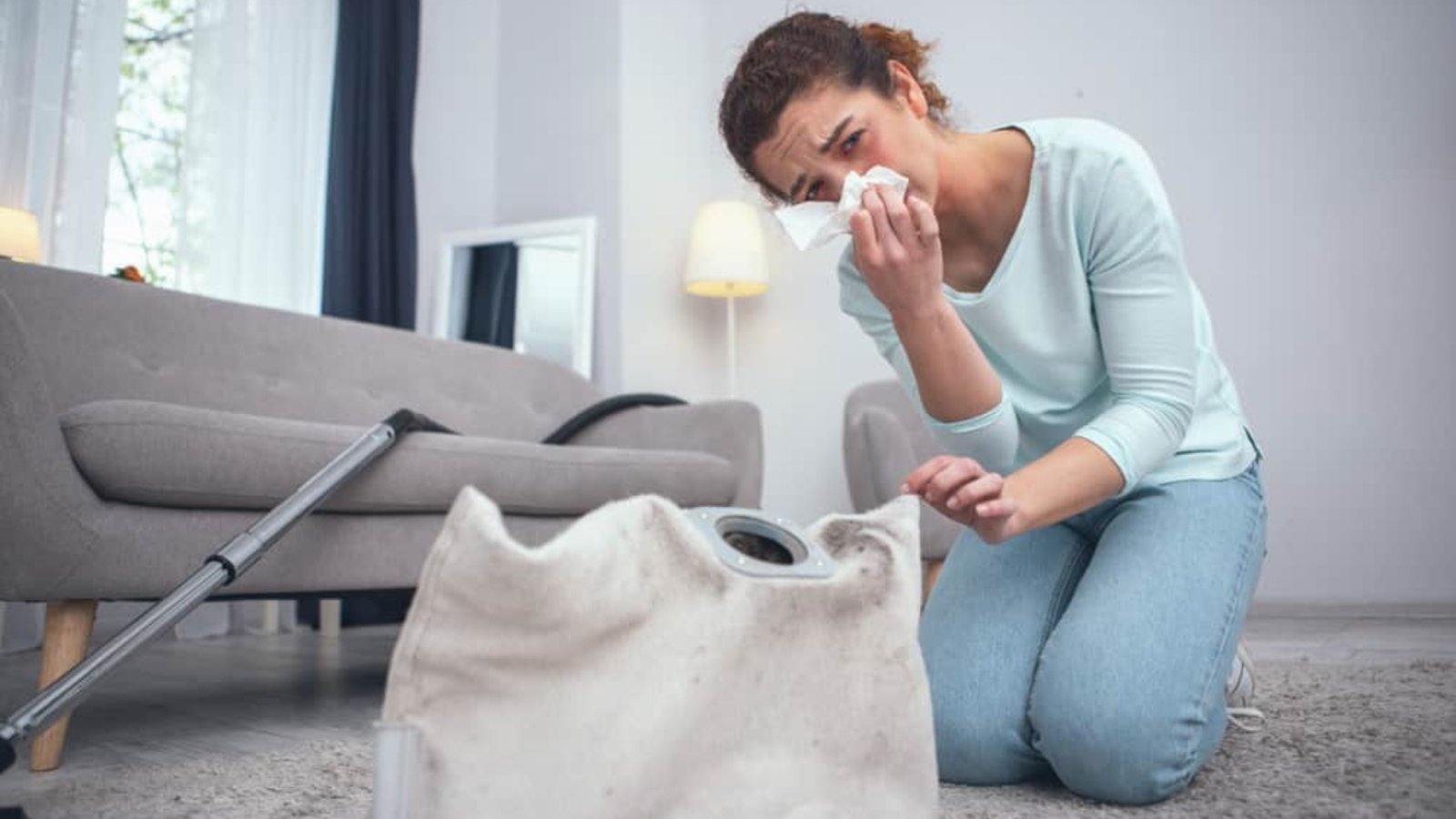
Sabot Hill represents some of the most desirable real estate in the Richmond area, where spacious properties on wooded, mature lots offer privacy, natural beauty, and a serene environment just minutes from urban amenities. However, the very characteristics that make this neighborhood so appealing—the abundance of trees, extensive landscaping, and natural surroundings—also make Sabot Hill homes particularly vulnerable to one of Richmond’s most challenging seasonal issues: overwhelming pollen counts that routinely rank among the highest in the nation. During spring’s tree pollen explosion and fall’s ragweed onslaught, the picturesque forests and gardens surrounding Sabot Hill properties release billions of microscopic pollen grains that coat every outdoor surface and inevitably infiltrate homes despite homeowners’ best prevention efforts. For the many residents suffering from seasonal allergies, these months transform homes from comfortable sanctuaries into potential symptom triggers if pollen isn’t aggressively managed through strategic cleaning approaches. This comprehensive guide provides Sabot Hill homeowners with five highly effective, proven pollen-reduction strategies that go beyond basic housekeeping to specifically target and eliminate the pollen that makes Richmond allergy seasons so miserable, helping you reclaim your home as a pollen-free refuge where you can breathe easily regardless of what’s happening in the environment outside.
Understanding Sabot Hill’s Pollen Challenge
Before diving into solutions, understanding the specific pollen challenges facing Sabot Hill homes provides context for why these strategies work.
Richmond’s Notorious Pollen Seasons
Richmond consistently ranks among America’s “worst cities for allergies” in annual surveys, and Sabot Hill’s wooded setting intensifies exposure.
Spring Tree Pollen (March-May):
- Oak, maple, birch, pine, and other trees release massive pollen quantities
- Peak typically occurs mid-April through early May
- Daily pollen counts often exceed 1,500 grains per cubic meter (anything over 90 is considered “very high”)
- Tree pollen is extremely fine and travels significant distances on wind
Fall Ragweed Season (August-November):
- Ragweed releases pollen from late summer through first frost
- Peak typically occurs September-October
- A single ragweed plant produces up to one billion pollen grains
- Fall pollen often combines with mold spores from decaying vegetation creating dual allergen exposure
Year-Round Concerns:
- Even between major seasons, various grasses, weeds, and plants maintain some pollen production
- Sabot Hill’s extensive tree coverage means pollen exposure remains elevated compared to less-wooded areas
- Mature landscaping, while beautiful, harbors multiple pollen sources
How Pollen Enters Sabot Hill Homes
Despite best efforts, pollen infiltrates homes through multiple pathways:
Direct Entry:
- On clothing, shoes, and skin of residents and guests
- On pet fur after outdoor time
- Through open windows and doors
- Via HVAC systems drawing in outdoor air
Indirect Accumulation:
- Settles on outdoor furniture, grills, and equipment brought inside
- Coats cars, then transfers to hands and clothing during entry/exit
- Accumulates in garages, then distributes throughout homes
Persistence:
- Pollen is incredibly lightweight and sticky, clinging to surfaces
- Once inside, it doesn’t simply disappear—it settles on every horizontal surface and embeds in fabrics and carpets
- Without strategic removal, indoor pollen accumulates throughout allergy seasons creating constant exposure even when staying indoors
This understanding reveals why standard cleaning alone doesn’t adequately address pollen—specific anti-pollen strategies are necessary for meaningful relief.
Hack #1: The Strategic Entry Defense System
The most effective pollen management begins at your home’s entry points, preventing outdoor allergens from spreading throughout interior spaces.
The Three-Zone Entry Protocol
Zone 1: Outdoor Transition (Covered Porch/Immediate Exterior)
Create an outdoor buffer area where the heaviest pollen load gets removed before anyone enters:
- Heavy-Duty Mat: Place large, aggressive outdoor mat for initial shoe cleaning. Coir (coconut fiber) mats or similar textured options scrape pollen-coated shoes more effectively than smooth mats.
- Shoe Brush Station: Consider installing a boot brush or scraper allowing vigorous pollen removal from shoe soles and sides—areas that contact ground where pollen settles heavily.
- Outdoor Clothing Storage: If space permits, hooks for work jackets, gardening clothes, or other outdoor-worn items prevents bringing these pollen-heavy garments directly into living spaces.
Zone 2: Entry Interior (Foyer/Mudroom)
This critical transitional space requires systems maximizing pollen capture:
- Shoe Removal Policy: Institute strict shoes-off policy for all residents and guests. This single change dramatically reduces pollen tracking throughout homes. Provide basket of clean indoor slippers or socks for guests if desired.
- High-Efficiency Entry Mat: Place quality, absorbent entry mat inside door. This captures pollen loosened in Zone 1 that would otherwise distribute into home.
- Immediate Clothing Storage: Coat hooks, closets, or designated storage right at entry for outer garments prevents carrying pollen-laden clothes through house. During high pollen days, consider changing shirts as well—pollen clings heavily to fabric shoulders and fronts.
- Entry Cleaning Supplies: Keep vacuum, lint roller, or damp cloth easily accessible for quick pollen removal from clothing before proceeding further into home.
Zone 3: Personal Decontamination
The final barrier between outdoor pollen and your living spaces:
- Immediate Hand Washing: Wash hands upon entry removing pollen from skin that otherwise transfers to everything touched.
- Hair Management: Pollen accumulates significantly in hair. During peak season, consider showering soon after extended outdoor time or at minimum running damp hands through hair removing loose pollen before sitting on furniture.
- Clothing Protocol: During extreme pollen days, change into clean indoor clothing immediately upon entry, placing outdoor clothes directly into closed hamper rather than draping over furniture.
Pet Pollen Management
Sabot Hill’s spacious properties often include pets who love the outdoor space but become major pollen vectors.
Outdoor Pet Protocol:
- Wipe pets with damp cloth or pet wipes before they enter, focusing on paws, belly, and fur
- Consider “pet entry mat” specifically for animals to walk across, trapping pollen from paws
- Brush pets thoroughly outdoors during high pollen season removing pollen before it sheds indoors
- Bathe pets more frequently during allergy seasons—weekly rather than monthly
Indoor Pet Areas:
- Designate pet sleeping areas away from bedrooms
- Wash pet bedding weekly during pollen season in hot water
- Vacuum areas where pets frequent more often than other spaces
Daily Entry Maintenance
Entry systems only work with consistent maintenance:
Daily Tasks:
- Shake outdoor mats (away from door, outdoors)
- Vacuum entry area floor and mats
- Wipe down any surfaces showing visible pollen
- Empty clothing/shoe storage if items have accumulated
Weekly Deep Clean:
- Machine wash entry mats if possible
- Thoroughly vacuum/mop entire entry zone
- Wipe down walls, doors, and coat hooks
- Reorganize to maintain system effectiveness
This systematic entry defense prevents the majority of pollen from ever reaching your main living spaces—the single most impactful action Sabot Hill residents can take for pollen control.
Hack #2: HEPA Filtration—The Technology That Actually Works
Standard vacuum cleaners and air filters can’t capture pollen’s microscopic particles, making HEPA (High-Efficiency Particulate Air) filtration essential for meaningful pollen reduction.
Understanding HEPA Filtration
What HEPA Actually Means:
- True HEPA filters capture 99.97% of particles as small as 0.3 microns
- Pollen particles range from 10-100 microns depending on species—well within HEPA capture range
- Standard vacuum filters capture larger particles while exhausting fine pollen back into air
- “HEPA-type” or “HEPA-like” filters are marketing terms, not true HEPA—only products labeled “True HEPA” meet the standard
Why It Matters for Sabot Hill Homes:
- Without HEPA filtration, vacuuming actually worsens indoor air quality by stirring settled pollen into breathing zone
- Standard HVAC filters (MERV 1-4) catch less than 20% of pollen particles
- True HEPA filtration removes pollen from air and surfaces without recirculating it
HEPA Vacuum Implementation
Investing in Quality HEPA Vacuums:
- Quality HEPA vacuums cost $200-600+ but represent crucial investment for allergy sufferers
- Both upright and canister styles available—choose based on your home’s flooring
- Ensure entire vacuum system is sealed—HEPA filter doesn’t help if vacuum leaks unfiltered air from other areas
Strategic Vacuuming During Pollen Season:
- Frequency: High-traffic areas daily, entire home minimum twice weekly during peak pollen
- Technique: Slow, overlapping passes remove embedded pollen better than quick passes
- Order: Work from farthest rooms toward entry, top to bottom, preventing spread to already-cleaned areas
Don’t Forget:
- Upholstered furniture—vacuum cushions, arms, and backs where pollen accumulates
- Curtains and drapes—use upholstery attachment weekly
- Under furniture—pollen settles in undisturbed areas
- Mattresses—vacuum thoroughly monthly as pollen embeds where you spend 8 hours nightly
Maintenance:
- Replace or clean HEPA filters per manufacturer schedule (typically every 6-12 months)
- Empty canisters/replace bags frequently—full containers reduce suction and effectiveness
HVAC HEPA Filtration
Your heating and cooling system continuously circulates air—make it work for you rather than against you.
Filter Upgrades:
- Replace standard fiberglass filters with MERV 11-13 or HEPA filters
- These capture pollen particles standard filters miss
- Change monthly during heavy pollen season rather than quarterly
Professional Duct Cleaning:
- If you haven’t had ducts professionally cleaned in 5+ years, consider scheduling during early spring before peak pollen
- Ducts accumulate years of pollen, dust, and debris that recirculates with every heating/cooling cycle
- Clean ducts dramatically improve air quality and HVAC efficiency
System Considerations:
- Verify your HVAC system can accommodate higher-efficiency filters without restricting airflow
- Some older systems require professional modification to handle HEPA-level filtration
- The investment often pays for itself through reduced allergy medication costs and improved quality of life
Portable HEPA Air Purifiers
Supplement whole-house filtration with targeted air cleaning in high-importance areas.
Strategic Placement:
- Bedrooms: Most important location—you spend 8 hours here; clean bedroom air means better sleep and morning relief
- Main Living Areas: Family rooms, home offices, or wherever you spend significant waking hours
- Entry Areas: Can help capture pollen that does make it past entry defenses
Selection Criteria:
- Choose units appropriately sized for room dimensions—undersized purifiers can’t effectively clean the air
- Look for true HEPA filtration (not HEPA-type)
- Consider noise levels—bedroom units particularly should operate quietly
- Calculate operating costs including filter replacements
Operation Strategy:
- Run continuously during pollen season, not just when home—pollen accumulates constantly
- “Auto” mode on quality units adjusts fan speed based on air quality sensors
- Keep windows closed while running—can’t clean air if outdoor air constantly enters
Maintenance:
- Replace filters per manufacturer schedule
- Wipe exterior housing removing accumulated dust
- Vacuum pre-filters if model includes them
House Cleaning in Sabot Hill during pollen season achieves dramatically better results when combined with comprehensive HEPA filtration capturing what cleaning dislodges.
Hack #3: The Damp-Wipe Method—Revolutionary Yet Simple
Traditional dusting during pollen season often makes problems worse by launching settled pollen into the air. The damp-wipe method traps and removes pollen instead.
Why Dry Dusting Fails During Pollen Season
The Problem:
- Feather dusters, dry cloths, and similar tools don’t capture pollen—they redistribute it
- Pollen becomes airborne, settling elsewhere or being inhaled during cleaning
- Static electricity during dry conditions attracts pollen back to just-cleaned surfaces
- You work hard but air quality actually worsens temporarily
The Solution:
- Damp cleaning tools trap pollen through moisture and surface tension
- Captured pollen is washed away rather than redistributed
- Surfaces stay cleaner longer as dampness reduces static attraction
Microfiber—The Superior Material
Not all cleaning cloths work equally well for pollen capture.
Why Microfiber Excels:
- Ultra-fine fibers create massive surface area (100,000+ fibers per square inch)
- Fibers split to create star-shaped cross-sections that trap particles mechanically
- Laboratory testing shows microfiber removes 99% of bacteria and particles with just water—far superior to cotton or paper towels
- Reusable and washable—more sustainable than disposable options
Using Microfiber Effectively:
- Lightly dampen cloth—should be damp, not dripping
- Use different colors for different purposes (blue for glass, green for general surfaces, yellow for bathrooms) preventing cross-contamination
- Fold cloth into quarters providing eight clean surfaces per cloth
- Turn to fresh surface frequently rather than continuing with pollen-loaded sections
Microfiber Care:
- Wash separately from cotton items (cotton lint clogs microfiber)
- Never use fabric softener—coats fibers, destroying effectiveness
- Air dry or tumble dry low heat—high heat damages fiber structure
- Properly cared-for microfiber cloths last hundreds of washes
The Damp-Wipe Protocol
Daily/Every-Other-Day High-Touch Surfaces:
- Kitchen counters and table
- Bathroom vanities
- Windowsills (major pollen accumulation points)
- Door handles, light switches
- TV and other electronics (pollen shows dramatically on dark screens)
Twice-Weekly Comprehensive Dusting:
- All furniture surfaces
- Shelving and bookcases
- Decorative items and frames
- Baseboards (pollen settles heavily along floors)
- Ceiling fan blades when not running
Technique:
- Work top to bottom—ceiling fans and high shelves first, baseboards last
- This allows particles dislodged from high surfaces to be captured when cleaning lower areas
- Use light pressure—aggressive scrubbing isn’t necessary and can spread rather than capture pollen
- Rinse cloths frequently in clean water, wringing thoroughly before continuing
Treating Fabrics and Soft Surfaces
Pollen embeds heavily in fabrics where damp-wiping isn’t appropriate.
Weekly Fabric Care:
- Vacuum all upholstered furniture with HEPA vacuum
- Vacuum curtains, drapes, and fabric shades
- Launder throw blankets and decorative pillows
- Shake area rugs outdoors (away from entry)
Bedding Protocol:
- Wash all bedding weekly in hot water (130°F minimum kills dust mites and removes pollen)
- Include mattress pads and pillow protectors
- Consider allergen-proof mattress and pillow encasements
Clothing Management:
- Don’t place outdoor-worn clothing on bed or upholstered furniture
- Wash clothing more frequently during pollen season
- Close bedroom closet doors keeping clothing protected from airborne pollen
This simple shift from dry dusting to damp-wiping creates dramatic reduction in airborne pollen during and after cleaning—you’ll literally feel the difference.
Hack #4: The Closed-House Climate Control Strategy
Richmond’s pleasant spring and fall weather tempts open-window living, but during pollen season, sealed homes with controlled air quality provide far better allergy relief.
The Closed-Window Challenge
Why It Feels Wrong:
- Beautiful weather makes indoor confinement feel unnatural
- Fresh air has psychological and actual health benefits most of the year
- Energy costs of continuous AC or heating
Why It’s Necessary During Peak Pollen:
- Open windows allow massive pollen influx negating all other control efforts
- Even screened windows don’t block pollen—particles are far too small
- One hour with windows open can introduce days’ worth of pollen accumulation
- Indoor pollen levels can be 1/10th outdoor levels or less with proper closed-house protocol
Strategic Window Management
Timing Window Opening:
- Check daily pollen counts at Richmond-area monitoring sites or weather services
- When counts are “low” or “moderate” (rare during peak season), brief window opening may be acceptable
- Best timing is typically after rain which clears pollen temporarily
- Evening hours often have lower airborne pollen than midday
Necessary Ventilation:
- Homes need some air exchange for indoor air quality
- HVAC systems provide this when properly maintained
- Bathroom and kitchen exhaust fans remove moisture and odors
- Whole-house mechanical ventilation systems (HRV/ERV) exchange air while filtering, but few Sabot Hill homes have these
Psychological Strategies:
- Spend time on covered porches or screened areas (still exposure but better than outdoors)
- View windows as observation points to enjoy nature without direct pollen exposure
- Remember the temporary nature—a few weeks of closed windows enables months of better health
Climate and Humidity Control
Proper indoor climate reduces pollen’s impact and improves comfort.
Temperature Management:
- AC during warm spring/summer pollen seasons provides comfort while system filters air
- Heating during fall ragweed season similarly circulates air through filtration
- Set systems to “auto” fan mode allowing filter drying rather than continuous operation which can reduce effectiveness
Humidity Optimization:
- Target 30-50% relative humidity year-round
- Too dry: pollen and dust become more airborne; respiratory irritation increases
- Too humid: mold and dust mites thrive—additional allergen sources
- Use humidifiers or dehumidifiers as needed maintaining optimal range
- Monitor with inexpensive hygrometers placed in various rooms
Air Circulation:
- Ceiling fans (when properly cleaned) circulate filtered air without drawing in outdoor pollen
- Maintains comfortable indoor environment during closed-house periods
When to Compromise
Absolute closed-house protocols aren’t always practical or healthy.
Acceptable Exceptions:
- Entry/exit for daily activities (minimize door-open time)
- Emergency situations
- Mental health breaks when closed-house feels oppressive—brief outdoor time may be worth modest pollen exposure
Damage Control After Opening Windows:
- Immediately vacuum high-traffic areas
- Damp-wipe surfaces near opened windows
- Run HEPA air purifiers on high for several hours
- Accept that you’ll need extra cleaning effort that day/evening
Hack #5: The Evening Shower and Bedroom Sanctuary Strategy
Since you spend approximately one-third of your life sleeping, ensuring your bedroom remains a pollen-free zone dramatically improves allergy management and quality of life.
The Evening Shower Protocol
Why Timing Matters:
- Throughout the day, pollen accumulates on skin, hair, and clothing
- Taking your shower before bed removes this pollen preventing transfer to bedding
- Morning showers leave you covered in pollen by bedtime
- This single timing change can dramatically improve sleep quality for allergy sufferers
Effective Shower Technique:
- Wash hair thoroughly—pollen embeds heavily in hair
- Don’t just rinse—use shampoo removing sticky pollen
- Full body wash removes pollen from all skin surfaces
- Pay attention to hands, arms, and face—highest exposure areas
Post-Shower Routine:
- Put on clean nightclothes that haven’t been exposed to outdoor air
- Avoid touching outdoor-exposed items after showering
- Don’t sit on furniture in outdoor-worn clothing then transfer to bed
Pet Considerations:
- If pets sleep in bedrooms, follow pet pollen management strategies
- Wipe pets down before bed if they’ve been outdoors that day
- Consider keeping pets out of bedrooms during peak pollen season if allergies are severe
Creating a Bedroom Sanctuary
Your bedroom should be your ultimate pollen-free refuge.
Bedroom-Specific Rules:
- Absolutely no outdoor clothing on bed or bedroom furniture
- No shoes in bedroom—ever
- Keep bedroom door closed during day preventing pollen distribution from other home areas
- Change out of outdoor-worn clothing before entering bedroom
Bedding Protection and Maintenance:
- Allergen-proof mattress and pillow encasements create barrier against embedded pollen and dust mites
- Wash all bedding weekly in hot water (130°F+)
- Use mattress protector and pillow protectors in addition to regular sheets and pillowcases
- Consider two sets of bedding allowing immediate change if one set is in wash
Air Quality Priority:
- Place best HEPA air purifier in bedroom running continuously
- Size appropriately for room dimensions
- Position purifier for optimal air circulation (typically 1-2 feet from wall)
Minimalist Approach:
- Reduce bedroom clutter—every item is a surface collecting pollen
- Avoid heavy curtains, excess decorative pillows, stuffed animals—all pollen collectors
- Easy-to-clean surfaces beat complex décor during allergy season
Window Treatments:
- Keep bedroom windows closed during pollen season
- Washable curtains or blinds that don’t accumulate pollen
- Clean window treatments weekly during peak pollen
Flooring Considerations:
- Hard flooring (wood, tile) in bedrooms preferable to carpet for allergy sufferers
- If carpeted, vacuum twice weekly with HEPA vacuum minimum
- Area rugs easier to clean than wall-to-wall carpet
Monitoring Success
Pay attention to whether strategies are working.
Positive Indicators:
- Reduced nighttime and morning allergy symptoms
- Better sleep quality
- Less congestion upon waking
- Reduced need for nighttime allergy medication
Adjustments:
- If symptoms persist, strengthen protocols—perhaps pets need to sleep elsewhere, or bedroom needs air purifier upgrade
- Experiment to find what level of intervention your specific allergies require
- Some people need aggressive protocols; others find moderate approaches sufficient
Integrating All Five Hacks: Your Complete Pollen Defense System
Maximum pollen reduction comes from implementing all five strategies together—each amplifies the others’ effectiveness.
The Synergistic Effect
Entry Defense (Hack #1) prevents pollen from entering → HEPA Filtration (Hack #2) removes pollen that does enter → Damp-Wiping (Hack #3) eliminates settled pollen → Closed-House Strategy (Hack #4) prevents constant re-contamination → Bedroom Sanctuary (Hack #5) ensures restful recovery.
Together, these create layered defense addressing pollen at every stage—prevention, removal, and protection of critical spaces.
Seasonal Implementation Timeline
Pre-Season Preparation (Late February/Early August):
- Purchase or inspect all equipment and supplies (HEPA vacuum, air purifiers, microfiber cloths, entry mats)
- Replace HVAC filters with high-efficiency versions
- Consider professional duct cleaning if due
- Establish entry protocols and bedroom rules
During Peak Season:
- Implement all five hacks religiously
- Increase cleaning frequency
- Monitor daily pollen counts adjusting strategies for particularly high days
- Maintain consistent protocols even when feeling better—prevention beats reaction
Post-Season (Late May/Late November):
- Deep clean home removing season’s accumulated pollen
- Wash or replace entry mats, curtains, and other fabric items
- Clean or replace air purifier and HVAC filters
- Document what worked well for next season
When Professional Help Makes Sense
Sabot Hill homeowners managing demanding careers and pollen allergies sometimes need support implementing comprehensive pollen-control strategies.
Professional Cleaning During Pollen Season
Benefits:
- Professional equipment (commercial HEPA vacuums, microfiber systems)
- Expertise in pollen-removal techniques
- Consistent execution of protocols when you’re overwhelmed
- Time savings allowing focus on other aspects of allergy management
Strategic Use:
- Weekly or bi-weekly professional cleaning during peak pollen season
- Residential Cleaning Services in Sabot Hill can implement these exact strategies
- Combine professional service with personal daily maintenance (entry management, evening showers)
What to Request:
- HEPA vacuum use throughout home
- Damp-wipe method for all surfaces
- Specific attention to high-pollen areas (windowsills, entry zones)
- Bedroom priority treatment
Pollen-Fighting Cleaning Services for Sabot Hill
Clockwork Cleaning VA understands the specific challenges Richmond’s intense pollen seasons create for Sabot Hill residents and provides specialized residential cleaning services targeting pollen reduction and allergy relief. Our team uses exclusively HEPA-filtered equipment ensuring captured pollen doesn’t recirculate through your home, employs damp-wipe microfiber techniques trapping pollen rather than redistributing it, focuses strategic attention on high-pollen areas like entry zones and windowsills, and understands bedroom sanctuary importance, treating these spaces with extra care. We adapt our services to pollen season intensity—more frequent visits during spring and fall peaks, adjusted protocols on particularly high pollen count days, and coordination with your personal pollen management strategies. Whether you need comprehensive regular cleaning throughout allergy season or periodic intensive cleaning resetting your home when pollen accumulation overwhelms your personal efforts, our Home Cleaning in Sabot Hill services help you reclaim your home as the pollen-free refuge you deserve. Living in Sabot Hill’s beautiful wooded setting shouldn’t mean suffering through allergy season—let us help you enjoy your home and neighborhood regardless of what’s happening outdoors. Contact us today to discuss pollen-focused cleaning services customized for your family’s specific needs and schedule.