

Kitchen & Bathroom Deep Cleaning Tips for Museum District Residences
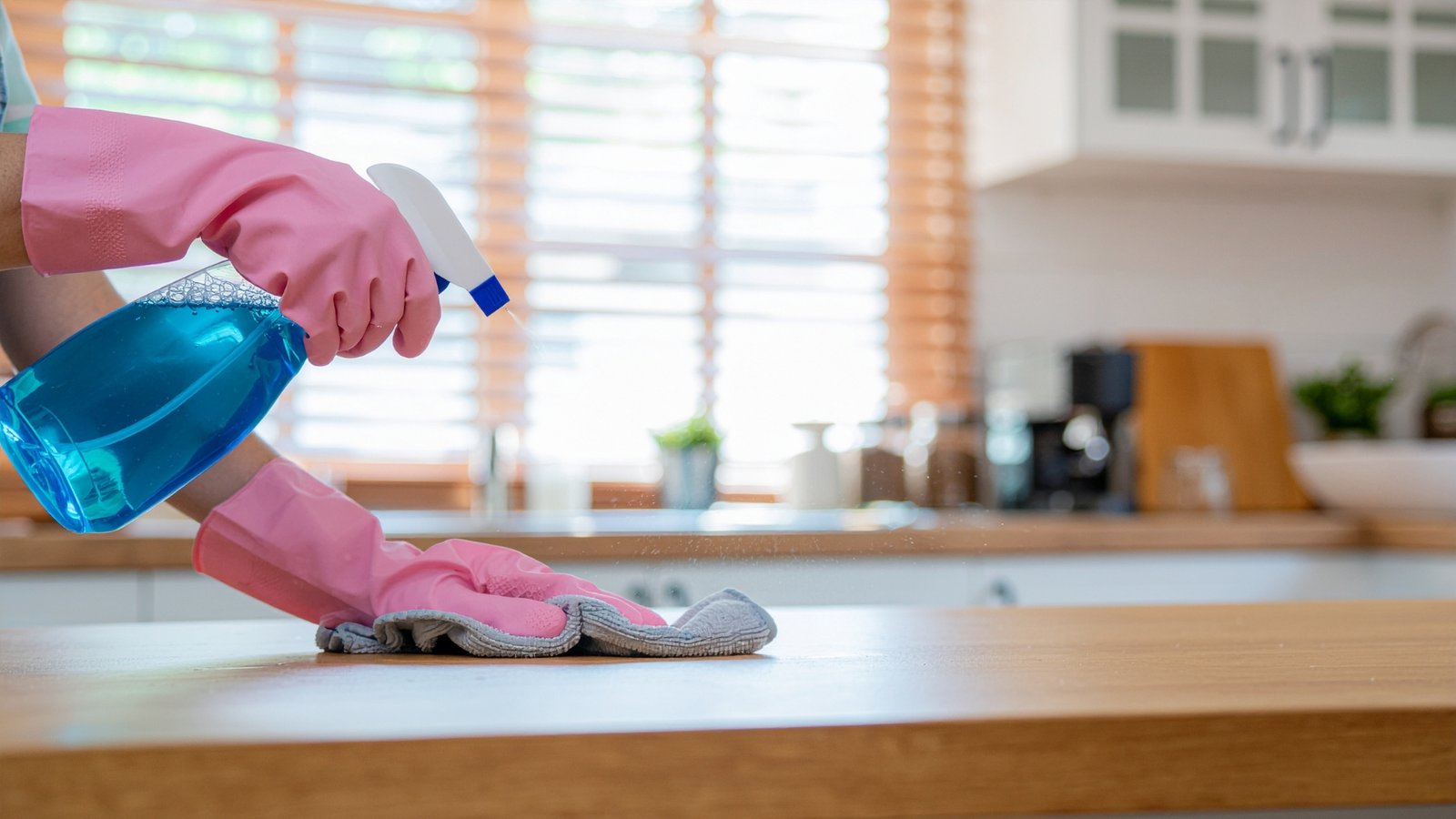
The Museum District represents one of Richmond’s most architecturally diverse and culturally vibrant neighborhoods, where residents enjoy living among historic homes, tree-lined streets, world-class cultural institutions, and the eclectic mix of restaurants and shops defining this distinctive community. Whether you occupy a classic 1920s bungalow with original tile and fixtures, a renovated Victorian with modern amenities, or a contemporary condominium in one of the area’s newer developments, your kitchen and bathrooms serve as the hardest-working spaces in your home—the rooms where daily life’s essential functions play out amid inevitable accumulation of grease, soap scum, hard water deposits, and grime that standard weekly cleaning simply can’t fully address. While regular maintenance keeps surfaces presentably clean, periodic deep cleaning tackles what routine efforts miss: the baked-on residue behind stove burners, the mineral deposits coating vintage fixtures, the mildew lurking in grout lines, the accumulated grime inside appliances, and the stubborn stains that gradually become “just how it looks” until intensive attention reveals how much cleaner these spaces can actually be. For Museum District residents who value their homes as both functional living spaces and extensions of the neighborhood’s aesthetic character, kitchen and bathroom deep cleaning represents an investment in both hygiene and home value—creating spaces that function optimally, feel genuinely clean, and maintain the standards this distinguished neighborhood expects. This comprehensive guide provides practical, achievable deep cleaning strategies specifically addressing the challenges Museum District kitchens and bathrooms present, helping you efficiently restore these crucial spaces to the pristine condition they deserve.
Why Deep Cleaning Differs from Regular Maintenance
Understanding the distinction helps you approach deep cleaning with appropriate methods and expectations.
The Accumulation Reality
What Regular Cleaning Handles:
- Surface dirt and debris
- Daily spills and splashes
- Visible grime on frequently touched surfaces
- Maintains baseline cleanliness
What Accumulates Despite Regular Cleaning:
- Grease that migrates from cooking areas coating surfaces near stove
- Hard water minerals gradually building up on fixtures and tile
- Soap scum layering on shower walls and doors
- Grime in crevices, corners, and hard-to-reach areas
- Residue inside appliances from years of use
- Mildew in grout lines despite surface cleaning
- Dust and grease on tops of cabinets, light fixtures, and other elevated surfaces
Why Accumulation Happens:
- Some grime embeds in porous surfaces requiring intensive treatment
- Certain areas receive insufficient attention during quick maintenance cleaning
- Gradual buildup happens slowly—you don’t notice until it’s substantial
- Some substances (mineral deposits, baked-on grease) require specific products and techniques beyond all-purpose cleaners
Deep Cleaning’s Purpose
Health and Hygiene:
- Eliminates bacteria and mold hiding in overlooked areas
- Removes allergens accumulated in ventilation systems and hard-to-clean zones
- Creates genuinely sanitary environments in spaces where food preparation and personal hygiene occur
Aesthetic Restoration:
- Reveals original finishes obscured by buildup
- Makes older fixtures and surfaces look significantly better
- Restores brightness to tile, fixtures, and appliances
- Brings spaces back to “like new” (or as close as age allows)
Maintenance and Longevity:
- Prevents permanent damage from accumulated grime
- Extends lifespan of appliances, fixtures, and finishes
- Identifies issues (leaks, damage, wear) hidden under grime
- Protects your investment in your Museum District property
Recommended Deep Cleaning Frequency
Kitchens:
- Full deep clean: 2-4 times annually (quarterly to seasonally)
- More frequently if you cook extensively or entertain often
- Major appliances: Annually minimum
Bathrooms:
- Full deep clean: 2-4 times annually
- More frequently in heavily-used bathrooms or if mildew-prone
- Focus on grout and caulking: Monthly maintenance prevents major buildup
Adjusting for Your Situation:
- More frequent for larger households
- More frequent in older homes where systems and finishes accumulate grime faster
- Professional services can supplement DIY between intensive cleanings
Kitchen Deep Cleaning: Room-by-Room Strategy
Systematic approach ensures comprehensive coverage without overwhelming yourself.
Major Appliances—The Deep Clean Priority
Refrigerator:
Interior Deep Clean:
- Remove absolutely everything including shelves, drawers, bins
- Wash all removable components in sink with warm soapy water
- While they dry, wipe interior walls, ceiling, and door with baking soda solution (absorbs odors)
- Clean door seals with old toothbrush and vinegar (removes mold and grime)
- Don’t forget the often-neglected top interior ceiling and back wall
Exterior and Coils:
- Pull refrigerator away from wall (get helper if heavy)
- Vacuum coils (usually underneath or on back)—dusty coils reduce efficiency and lifespan
- Clean floor underneath and behind refrigerator (usually quite dirty)
- Wipe exterior including top, sides, handles, and front
- Polish stainless steel if applicable
Oven and Range:
Oven Interior:
- Use self-clean function if your oven has it (requires several hours and ventilation)
- Or use commercial oven cleaner following directions carefully (harsh chemicals—gloves and ventilation essential)
- Or make paste of baking soda and water, spread generously, let sit overnight, then scrub—gentler but requires more elbow grease
- Remove and clean oven racks separately (soak in tub with degreaser or ammonia)
- Clean oven door glass inside and out
Stovetop and Range:
- Remove burner grates, knobs, drip pans (anything removable)
- Soak in hot soapy water or degreaser
- Clean stovetop surface addressing baked-on food
- For glass cooktops: Use cooktop cleaner and razor scraper for stubborn spots
- For gas ranges: Clean burner ports with pin if clogged
- Scrub control panel and surrounding surfaces
- Wipe range exterior
Behind and Underneath:
- Pull range forward (turn off gas first if gas range; carefully manage electric connection)
- Clean floor and wall behind range—usually quite greasy
- Wipe down range sides
- Note: Some ranges shouldn’t be moved—check manual if uncertain
Dishwasher:
- Remove lower rack and clean filter/drain area (often surprisingly gross)
- Run empty cycle with dishwasher cleaner or white vinegar (place cup in top rack)
- Wipe door, gasket, and interior
- Clean exterior and control panel
- Check and clean spray arms if removable
Microwave:
- Steam-clean method: Microwave bowl of water with lemon slices 3-5 minutes
- Steam loosens baked-on food making it wipe away easily
- Clean turntable in sink
- Wipe interior, door, and vents
- Clean exterior and underneath
Small Appliances:
- Toaster: Empty crumb tray, wipe exterior
- Coffee maker: Run descaling cycle (vinegar or commercial descaler)
- Blender, food processor: Disassemble and clean thoroughly
- Any other countertop appliances you use regularly
Cabinets and Pantry
Cabinet Interiors:
- Empty one cabinet section at a time (don’t empty everything simultaneously—overwhelming)
- Vacuum or wipe out crumbs and debris
- Wipe down interior surfaces
- Discard expired food items
- Reorganize as you return items
Cabinet Exteriors:
- Wipe all cabinet fronts addressing fingerprints and grease
- Pay special attention to cabinets near stove—grease accumulates significantly
- Clean hardware (handles, knobs)—remove if very grimy and soak in degreaser
- Don’t overlook tops of upper cabinets—dust and grease accumulate heavily in this often-forgotten area
Pantry Organization:
- Remove everything
- Vacuum or wipe shelves
- Check expiration dates—discard old items
- Wipe down any containers or bottles
- Reorganize logically as you restock
Surfaces and Fixtures
Countertops:
- Deep clean with appropriate product for your material
- Granite/marble: pH-neutral cleaner (acidic products can etch)
- Laminate: All-purpose cleaner and gentle abrasive for stains
- Butcher block: Mineral oil treatment after cleaning
- Address any stains with appropriate spot treatments
Backsplash:
- Clean thoroughly with appropriate cleaner
- Tile and grout: Scrub grout lines with grout brush and grout cleaner
- Sealed grout: Consider resealing after cleaning if appropriate
- Polish any metal or glass backsplash elements
Sink and Faucet:
- Scrub sink basin with appropriate cleaner
- Stainless steel: Baking soda or stainless cleaner
- Porcelain: Gentle abrasive cleaner
- Composite: Manufacturer-recommended products
- Descale faucet aerator (remove and soak in vinegar)
- Polish faucet fixture removing water spots
- Clean garbage disposal: Ice + citrus + run with water
Range Hood and Exhaust:
- Remove and clean or replace filters (many are dishwasher-safe)
- Wipe hood exterior and interior
- Clean fan blades if accessible
- This area accumulates heavy grease affecting efficiency
Floors, Walls, and Fixtures
Floors:
- Move appliances if possible cleaning behind them
- Sweep thoroughly
- Mop with appropriate floor cleaner
- Address any stuck-on spills or stains
- Clean baseboards (often quite dirty)
Walls:
- Spot-clean areas near stove and sink showing splatter
- Wipe down any painted walls with light detergent solution
- Address any marks or stains
Light Fixtures:
- Clean hanging lights, recessed fixtures, under-cabinet lights
- Dust or wash light covers/shades
- Replace any burnt bulbs
Windows:
- Clean kitchen windows and sills
- Address any grease film common on kitchen windows
Bathroom Deep Cleaning: Achieving True Sanitation
Bathrooms require meticulous attention to achieve genuinely clean conditions.
Toilet—Complete Sanitization
Bowl:
- Apply toilet bowl cleaner allowing appropriate dwell time per product directions
- Scrub thoroughly including under rim and in trap
- For stubborn stains: Pumice stone safely removes mineral deposits
- For ring around water line: Shut off water, flush to empty bowl, then treat stain directly
Exterior:
- Wipe entire toilet with disinfectant
- Don’t forget often-missed areas: base, behind tank, bolt covers
- Clean seat top and bottom
- Clean lid inside and out
- Wipe tank exterior
Behind and Around:
- Clean floor around toilet base
- Wipe wall behind toilet
- Clean any storage or accessories near toilet
Shower and Tub—The Biggest Challenge
Tile and Grout:
- Spray with bathroom cleaner or vinegar solution
- Let sit 10-15 minutes loosening soap scum and buildup
- Scrub tile with brush or scrubbing pad
- Focus on grout lines—use grout brush and grout-specific cleaner if needed
- For stubborn stains: Baking soda paste provides gentle abrasive
- Rinse thoroughly
Shower Door/Curtain:
- Glass doors: Clean with glass cleaner or vinegar solution
- Remove hard water spots with razor scraper (carefully)
- Clean door tracks—often very dirty
- Shower curtains: Machine wash if plastic; replace if mildewed beyond cleaning
Fixtures and Hardware:
- Descale showerhead: Remove and soak in vinegar or use vinegar-filled bag tied around it
- Polish faucet and handles
- Clean drain covers and stoppers
- Shine up any chrome or metal hardware
Caulking:
- Inspect caulking around tub and shower
- If mildewed beyond cleaning, consider re-caulking
- Clean caulking with bleach solution or mildew remover
- Proper caulking prevents water damage to Museum District homes
Sink and Vanity
Sink Basin:
- Scrub with bathroom cleaner
- Address any stains or mineral deposits
- Clean overflow opening (often neglected and dirty)
- Polish faucet and handles removing water spots and mineral buildup
Vanity:
- Clear all items from counter and inside vanity
- Wipe countertop thoroughly
- Clean inside vanity cabinets and drawers
- Discard expired medications, cosmetics, toiletries
- Wipe down exterior of vanity
- Reorganize as you replace items
Medicine Cabinet:
- Empty completely
- Clean interior shelves and walls
- Discard expired items
- Wipe exterior/mirror
Walls, Floors, and Fixtures
Walls and Ceiling:
- Wipe walls with bathroom cleaner addressing any mildew
- Clean ceiling—bathrooms often show mildew or moisture stains
- Address any marks or stains
Floors:
- Sweep or vacuum thoroughly
- Mop with appropriate cleaner
- Pay attention to corners and around toilet base
- Clean baseboards
Exhaust Fan:
- Vacuum or dust fan cover
- Remove cover if possible and vacuum fan blades
- This improves function and reduces mold risk
Light Fixtures:
- Clean light covers and bulbs
- Wipe fixtures
- Replace burnt bulbs
Mirrors:
- Clean thoroughly with glass cleaner
- Address any toothpaste splatter or water spots
Products and Tools for Deep Cleaning Success
Having appropriate supplies makes deep cleaning dramatically easier and more effective.
Effective Product Choices
Kitchen Products:
- Heavy-duty degreaser for range and surrounding areas
- Oven cleaner (commercial or DIY baking soda method)
- Stainless steel cleaner/polish if applicable
- Wood cabinet cleaner if you have wood cabinetry
- Floor cleaner appropriate for your flooring type
Bathroom Products:
- Bathroom cleaner with mildew fighter
- Toilet bowl cleaner
- Grout cleaner (optional but helpful for stubborn grout)
- Descaling product or white vinegar for mineral deposits
- Mildew remover or diluted bleach solution for tough mildew
Universal Products:
- All-purpose cleaner
- Glass/mirror cleaner
- Disinfectant
- Baking soda (gentle abrasive, deodorizer)
- White vinegar (descaler, mild disinfectant)
- Microfiber cloths (superior to paper towels)
Essential Tools
Scrubbing Tools:
- Scrub brushes (various sizes)
- Grout brush (small, stiff bristles)
- Old toothbrush (detailing work)
- Non-scratch scrubbing pads
- Heavy-duty scouring pads (use carefully on appropriate surfaces)
- Pumice stone (for toilet mineral deposits)
Application Tools:
- Spray bottles for DIY cleaners
- Bucket for mixing solutions
- Mop appropriate for your floor type
- Squeegee for shower doors and mirrors
Other Helpful Items:
- Rubber gloves (protect hands from harsh chemicals)
- Step stool or ladder (reaching high areas)
- Vacuum (for vents, coils, floor cleaning)
- Razor scraper (carefully removing stuck-on residue from appropriate surfaces)
- Shop towels or old rags (for heavy-duty cleaning)
Museum District Considerations
Historic Home Sensitivity:
- Many Museum District homes feature original tile, fixtures, or finishes
- Research appropriate products for vintage materials
- Test products in inconspicuous areas first
- Avoid harsh chemicals on old finishes they could damage
Modern Finishes:
- Newer Museum District condos and renovations may have modern finishes requiring specific products
- Granite, quartz, specialty tiles need appropriate cleaners
- Check manufacturer recommendations
Time Management and Planning
Deep cleaning these spaces requires several hours—planning ensures efficiency.
Realistic Time Expectations
Kitchen Deep Clean:
- Small kitchen: 3-4 hours
- Average kitchen: 4-6 hours
- Large or very dirty kitchen: 6-8+ hours
Bathroom Deep Clean:
- Small half-bath: 1-2 hours
- Full bathroom: 2-3 hours
- Large or very dirty bathroom: 3-4+ hours
Factors Affecting Time:
- Current cleanliness level
- Size of space
- Age and condition of home
- Your experience with deep cleaning
- Perfectionism vs. “good enough” standards
Strategic Scheduling
All-at-Once Approach:
- Block full day for comprehensive deep cleaning
- Get everything done in one push
- Requires significant stamina and time commitment
- Advantage: Complete when finished
Divide and Conquer:
- Kitchen one weekend, bathrooms another
- Or tackle one major appliance/area per evening across week
- Less overwhelming, fits around schedule
- Disadvantage: Longer overall timeline
Seasonal Strategy:
- Deep clean kitchens and bathrooms quarterly
- Rotate which areas get attention when
- Prevents overwhelming accumulation
- Maintains consistent cleanliness standards
When to Call Professionals
Sometimes professional help makes sense for Museum District residents.
DIY vs. Professional Consideration
Good DIY Candidates:
- Routine quarterly deep cleaning
- Smaller spaces
- Those with time and physical capability
- Maintenance-level deep cleaning in relatively clean homes
Professional Service Benefits:
- Deep Cleaning in Museum District homes with historic features requiring specialized knowledge
- Professional equipment (steam cleaners, commercial-grade products)
- Experience and efficiency—faster than DIY
- Expertise with stubborn issues (hard water, mildew, etc.)
- Physical demands handled by professionals
- Superior results
When Professionals Make Most Sense:
- Years of neglect requiring intensive restoration
- Historic homes needing preservation-appropriate techniques
- Physical limitations preventing intensive DIY cleaning
- Time constraints from busy professional/family life
- Preparing home for sale or major event
- Supplementing DIY maintenance with periodic professional deep cleaning
Professional Service Selection
Look For:
- Experience with Museum District homes
- Understanding of historic home sensitivities if applicable
- References and reviews
- Insurance and bonding
- Clear pricing and scope of work
Questions to Ask:
- Experience with deep cleaning vs. regular maintenance
- Products and techniques used
- Approach to vintage fixtures and finishes
- Time estimate and pricing
- Guarantee or satisfaction policy
Maintaining Results Between Deep Cleans
Deep cleaning creates baseline—maintenance preserves it.
Kitchen Maintenance
Daily/Weekly Habits:
- Wipe counters and stovetop after cooking
- Clean spills immediately before they bake on
- Run dishwasher regularly
- Sweep floors daily in high-use kitchens
- Weekly surface cleaning of all areas
Monthly Tasks:
- Quick appliance wipe-downs
- Cabinet exterior cleaning
- Thorough floor mopping
- Addressing any buildup before it becomes major
Bathroom Maintenance
Daily/Weekly Habits:
- Squeegee shower walls after use
- Wipe counters daily
- Weekly toilet and shower cleaning
- Regular ventilation (run exhaust fan)
Monthly Tasks:
- Grout inspection and light cleaning
- Detailed fixture cleaning
- Thorough floor mopping
- Mildew prevention treatment if needed
The Prevention Mindset
Small Efforts Prevent Big Problems:
- 5 minutes daily prevents 5 hours quarterly
- Immediate attention to spills/issues
- Regular light cleaning maintains deep clean results
- Proper ventilation prevents mildew
Expert Deep Cleaning for Museum District Kitchens and Bathrooms
Clockwork Cleaning VA specializes in comprehensive deep cleaning services for Museum District residences, understanding the unique balance these homes require between intensive cleaning and preservation of character. Our experienced team brings professional equipment delivering superior results compared to typical DIY efforts, expertise with both historic fixtures requiring gentle care and modern finishes demanding appropriate products, systematic approaches ensuring every surface receives proper attention, and the efficiency that comes from professional training and experience. Whether you need intensive deep cleaning tackling years of accumulated buildup, regular quarterly deep cleaning maintaining your home’s standards, or focused services addressing specific challenging areas while you handle other cleaning, our Kitchen Cleaning in Museum District and Bathroom Cleaning in Museum District services deliver the thorough results these hardest-working spaces deserve. Your Museum District home represents significant investment in one of Richmond’s most desirable neighborhoods—kitchens and bathrooms maintaining pristine condition protect that investment while enhancing daily quality of life. Contact us today to discuss deep cleaning services customized for your home’s specific needs, ensuring these essential spaces receive the professional attention creating genuinely clean, healthy, beautiful environments worthy of the Museum District standard.