

Commercial Cleaning for Glen Allen Small Businesses: A Complete Guide
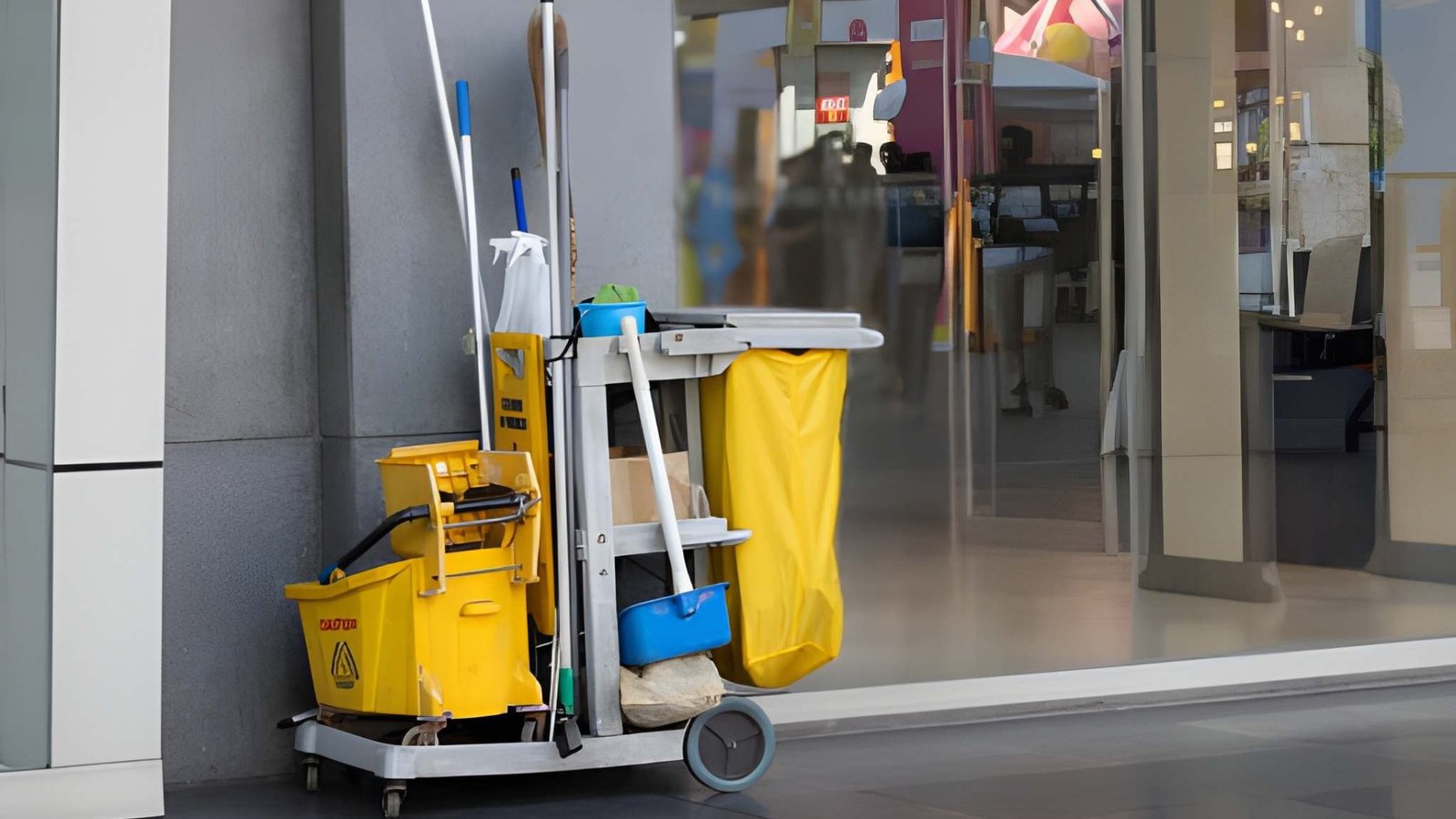
Running a small business in Glen Allen demands attention to countless details—managing staff, serving customers, handling finances, and maintaining operations. Amid these priorities, facility cleanliness often gets deferred until it becomes a visible problem. Yet your business environment directly influences customer perception, employee performance, health and safety compliance, and even your bottom line. Professional commercial cleaning services offer small businesses a practical solution that maintains professional standards without diverting internal resources from revenue-generating activities. This complete guide helps Glen Allen small business owners understand commercial cleaning options, evaluate providers, make informed decisions, and maximize the return on this essential business investment.
What Is Commercial Cleaning?
Commercial cleaning encompasses professional cleaning and maintenance services specifically designed for business environments—offices, retail spaces, medical facilities, restaurants, and other commercial properties. Unlike residential cleaning, commercial services address business-specific needs including high-traffic areas, industry regulations, specialized equipment requirements, flexible scheduling around business operations, and scalable solutions that adapt to changing business needs.
Why Small Businesses Need Professional Cleaning
Small business owners often assume they can handle cleaning internally or assign it to staff, but this approach carries hidden costs and limitations.
The True Cost of DIY Commercial Cleaning
When employees handle cleaning tasks, you’re paying their regular wages for non-productive work. A staff member earning $18/hour who spends 10 hours weekly cleaning costs your business $720 monthly in salary for work unrelated to their actual role—not counting the productivity lost in their primary responsibilities.
Additionally, consumer-grade cleaning equipment and supplies deliver inferior results compared to commercial-grade solutions while requiring ongoing purchases, storage space, and maintenance. Professional Commercial Cleaning in Glen Allen includes all equipment and materials, often using industrial products unavailable to general consumers.
First Impressions Drive Business Outcomes
Customers form opinions about your business competence within seconds of entering your space. A dusty reception area, dirty restrooms, stained carpets, or visible grime communicates carelessness that undermines confidence in your products or services.
For retail businesses, cleanliness directly impacts purchase decisions. Shoppers spend more time and money in clean, well-maintained environments. For professional service providers—attorneys, accountants, consultants—office appearance signals attention to detail that clients expect in your work.
Employee Performance and Retention
Workplace cleanliness significantly impacts employee satisfaction, health, and productivity. Clean environments reduce sick days, improve focus, and demonstrate that you value staff wellbeing.
In tight labor markets like Glen Allen, workplace quality influences recruitment and retention. Talented employees have choices, and a professionally maintained workplace becomes a competitive advantage in attracting and keeping quality staff.
Health, Safety, and Liability
Businesses have legal obligations regarding workplace safety and sanitation. Slip hazards from dirty floors, poor restroom hygiene, or inadequate sanitization can trigger liability issues, worker’s compensation claims, or regulatory violations.
Professional cleaning helps businesses maintain compliance with health codes, OSHA requirements, and industry-specific regulations—particularly critical for medical offices, restaurants, and childcare facilities.
Understanding Service Options for Small Businesses
Commercial cleaning services offer flexibility to match varying business needs and budgets.
Service Frequency Options
Daily Cleaning: Ideal for high-traffic businesses, medical facilities, restaurants, or any operation where cleanliness is mission-critical. Daily service maintains consistent professional appearance and addresses mess as it occurs.
Multiple Times Weekly: Many Glen Allen small businesses find that 2-3 times weekly cleaning provides the right balance. This frequency maintains professional standards while controlling costs in moderate-traffic environments.
Weekly Service: Smaller offices with minimal foot traffic or businesses supplementing with light daily staff maintenance might function well with weekly professional deep cleaning.
Bi-Weekly or Monthly: For very small offices or businesses with minimal facility needs, less frequent professional service combined with interim self-maintenance can work, though this typically serves only the smallest operations.
Scope of Service Options
Basic Janitorial: Fundamental cleaning including trash removal, restroom maintenance, vacuuming, dusting, and floor care. This covers most small business needs affordably.
Enhanced Cleaning: Adds detail work like baseboard cleaning, high-dusting, thorough glass cleaning, and extra attention to high-touch surfaces. Appropriate for businesses where appearance is particularly important.
Deep Cleaning: Intensive periodic service addressing often-neglected areas—carpet extraction, floor stripping and waxing, detail work in hard-to-reach areas. Many businesses schedule quarterly or semi-annual deep cleaning supplementing regular service.
Specialized Services: Industry-specific cleaning for medical facilities (following sanitization protocols), restaurants (addressing kitchen and food service areas), or retail (managing display and customer areas).
What’s Included in Standard Commercial Cleaning
Understanding typical service scope helps set appropriate expectations and evaluate proposals.
Restroom Cleaning
Commercial restroom service should include thorough toilet and urinal cleaning and sanitization, sink and countertop disinfection, mirror cleaning, floor mopping with commercial disinfectant, trash removal and liner replacement, and restocking of paper products and soap dispensers.
Professional Office Cleaning in Glen Allen services use color-coded cleaning systems—different cloths and mops for restrooms versus other areas—preventing cross-contamination.
Office and Common Areas
General workspace cleaning typically covers dusting of desks, shelves, and accessible surfaces (cleaners work around computers and documents), vacuuming of carpeted areas and floor mats, mopping of hard surface floors, trash and recycling removal, and break room/kitchen maintenance.
Entrance and Reception Areas
First-impression areas receive particular attention: glass door cleaning, floor care (these high-traffic areas often need daily attention), dust and debris removal, and furniture dusting.
What’s Typically NOT Included
Standard commercial cleaning generally doesn’t include organizing or filing papers, washing dishes beyond basic break room sink cleaning, deep organizing of storage areas or closets, moving heavy furniture or equipment, or handling hazardous materials.
Clarifying these boundaries prevents misunderstandings and ensures realistic expectations.
Selecting the Right Provider for Your Glen Allen Business
Not all commercial cleaning companies deliver equal service, and choosing wisely impacts satisfaction and value.
Insurance and Bonding Verification
Any cleaning company accessing your facility should carry comprehensive general liability insurance and worker’s compensation coverage. This protects your business if cleaners are injured on your property or if accidental damage occurs during service.
Bonding provides additional protection against theft or dishonesty—important when giving service providers after-hours access to your business.
Request certificates of insurance and verify coverage directly with insurance carriers before signing contracts.
Experience with Your Business Type
Commercial cleaning encompasses diverse specialties. A company experienced with medical offices understands sanitization protocols and HIPAA considerations. Restaurant cleaning requires knowledge of health department standards and kitchen equipment care.
Seek providers with demonstrated experience in your industry or business type. This expertise translates to better results and fewer issues.
Staff Training and Screening
Ask potential providers about employee screening processes including background checks, drug testing, and employment verification. Inquire about training programs—quality companies provide formal training in cleaning techniques, safety protocols, chemical handling, and customer service.
Well-trained, properly screened staff deliver better results and present fewer security or liability risks.
References and Local Reputation
Request references from current clients operating similar businesses in Glen Allen. Contact these references to ask about service quality, reliability, responsiveness to issues, and overall satisfaction.
Check online reviews, Better Business Bureau ratings, and local business community feedback. Established providers with strong local reputations generally deliver more reliable service.
Service Guarantees
Quality Commercial Cleaning Services in Glen Allen often provide satisfaction guarantees—if you’re unsatisfied with any aspect of cleaning, they return to address issues at no additional charge. This guarantee demonstrates confidence in service quality and provides recourse if problems arise.
Pricing Structures and Budget Considerations
Understanding commercial cleaning pricing helps you budget appropriately and evaluate proposals fairly.
Common Pricing Models
Square Footage Pricing: Many providers charge based on cleanable square footage, typically $0.07-$0.25 per square foot depending on cleaning frequency, scope, and facility type. This model works well for straightforward office spaces.
Hourly Rates: Some companies charge hourly, particularly for smaller spaces or specialized projects. Commercial cleaning rates typically range $25-$50 per hour depending on work complexity and market conditions.
Flat Monthly Fees: Many small businesses prefer predictable monthly costs based on agreed scope and frequency. This approach simplifies budgeting and often provides the best value for regular, recurring service.
Factors Affecting Your Cost
Several variables influence commercial cleaning pricing:
- Facility size and layout complexity
- Cleaning frequency (daily service costs more than weekly)
- Scope of services required
- Industry-specific requirements (medical-grade sanitization, etc.)
- Geographic service area and accessibility
- Timing requirements (after-hours vs. business hours cleaning)
Getting Accurate Quotes
Reputable companies conduct on-site facility assessments before providing detailed proposals. They measure space, evaluate cleaning requirements, discuss your priorities, and develop customized proposals based on actual conditions.
Be wary of quotes provided over the phone without facility inspection—these often lead to disputes when actual conditions don’t match assumptions.
Special Considerations for Glen Allen Industries
Different business types have unique cleaning requirements.
Medical and Dental Offices
Healthcare facilities require specialized sanitization following OSHA and CDC guidelines, use of medical-grade EPA-registered disinfectants, attention to infection control and patient safety, HIPAA compliance regarding patient information, and often more frequent service than standard offices.
Retail Spaces
Retail cleaning emphasizes customer-facing areas and shopping experience, requires flexible scheduling around business hours, focuses heavily on floor care in high-traffic zones, includes specialized attention to fitting rooms or customer areas, and often addresses display cleaning and window washing.
Professional Offices
Law firms, accounting practices, consulting offices, and similar professional services benefit from quiet cleaning operations that respect work environments, consistent professional appearance for client meetings, attention to reception and conference areas, and reliable service that doesn’t disrupt business operations.
Restaurants and Food Service
Food service establishments face stringent health department requirements, need kitchen-specific cleaning expertise, require daily cleaning as a minimum, must address grease, food residue, and odor control, and benefit from providers familiar with local health inspection standards.
Scheduling and Access Logistics
Determining when and how cleaning occurs requires coordination between your business needs and service capabilities.
After-Hours vs. During Business
Most Glen Allen businesses prefer after-hours cleaning to avoid disrupting operations and keep cleaning activities invisible to customers. This requires trust in cleaning staff and secure access protocols.
Some facilities benefit from daytime janitorial presence—particularly high-traffic retail or medical offices where immediate spill response or restroom checks throughout the day add value.
Security and Access Protocols
Establish clear procedures for cleaner access whether through provided keys, alarm codes, lockbox systems, or building management coordination. Document these arrangements and update them whenever security systems change.
Quality Local Commercial Cleaning in Glen Allen providers understand the responsibility of after-hours access and implement strict protocols including background-checked staff, documented entry/exit times, and secure key management systems.
Communicating Schedule Changes
Businesses occasionally need schedule adjustments—holiday closures, special events, or urgent cleaning requests. Discuss communication channels and flexibility with potential providers before signing agreements.
Maximizing Your Cleaning Service Investment
Once you’ve engaged a provider, certain practices ensure optimal results and value.
Clear Communication
Establish who on your staff serves as the primary contact for cleaning-related issues. Ensure your cleaning company has clear communication channels for reporting concerns, requesting adjustments, or providing feedback.
Realistic Expectations
Professional cleaners maintain and improve your facility—they don’t perform miracles on severely neglected spaces. If your facility hasn’t received proper cleaning in months or years, expect initial deep cleaning to restore condition before regular maintenance begins.
Staff Cooperation
Encourage employees to support cleaning effectiveness by clearing desks reasonably (cleaners can’t dust surfaces buried under papers), promptly reporting facility issues, respecting cleaning schedules, and understanding the division between cleaning and organizing.
Regular Performance Reviews
Schedule quarterly reviews with your cleaning provider to assess service quality, discuss any needed adjustments, address changing business needs, and ensure the partnership continues delivering value.
Green Cleaning Considerations
Many Glen Allen businesses now prioritize environmentally responsible cleaning practices.
What Is Green Cleaning?
Green cleaning uses environmentally preferable products and practices that reduce environmental impact while maintaining effectiveness. This includes EPA-certified cleaning products, microfiber technology reducing chemical use, water conservation practices, and sustainable waste management.
Benefits for Small Businesses
Beyond environmental responsibility, green cleaning often improves indoor air quality (important for employee health), reduces exposure to harsh chemicals, appeals to environmentally conscious customers, and may support LEED certification or similar programs.
Discussing Options
If green cleaning matters to your business, discuss capabilities during provider selection. Quality companies offer eco-friendly options that maintain cleaning effectiveness while addressing environmental concerns.
Making the Transition to Professional Service
If you’re currently handling cleaning internally or through informal arrangements, transitioning to professional service requires planning.
Preparing Your Facility
Before professional service begins, address major clutter or organizational issues. Cleaners work most effectively in reasonably organized spaces where surfaces are accessible.
Setting Initial Expectations
Your first professional cleaning—particularly if the facility hasn’t received proper attention recently—may be more intensive and expensive than ongoing maintenance. This initial deep clean establishes the baseline that regular service maintains.
Allowing Adjustment Period
Give the relationship 2-3 cleaning cycles before final judgment. Initial visits involve the team learning your facility, understanding your priorities, and establishing efficient routines. Results and efficiency improve as familiarity develops.
The ROI of Professional Commercial Cleaning
For small businesses evaluating this investment, consider the complete value proposition:
Time Reclaimed: Staff hours redirected from cleaning to productive work directly impact revenue.
Customer Impression: Professional appearance supports sales, client retention, and business development.
Employee Satisfaction: Clean work environments improve morale, reduce turnover, and support recruitment.
Health and Liability: Proper cleaning reduces illness, absenteeism, and potential liability issues.
Facility Protection: Regular professional maintenance extends the lifespan of flooring, fixtures, and facilities—protecting your business investment.
When viewed comprehensively, Office Cleaning Services in Glen Allen often deliver returns significantly exceeding their cost, particularly for businesses where appearance impacts customer decisions or employee performance drives success.
Your Professional Environment Partner
Professional commercial cleaning isn’t a luxury—it’s a business necessity that supports operations, protects investments, and contributes to success. For Glen Allen small businesses ready to maintain professional standards without diverting internal resources, the investment in quality commercial cleaning delivers measurable returns across multiple aspects of business performance.
The key lies in selecting the right provider, establishing clear expectations, maintaining good communication, and viewing the relationship as a partnership supporting your business objectives. When approached strategically, professional cleaning becomes not just another vendor relationship but an operational asset contributing to the professional environment your business requires and your customers expect.