

Sycamore Square Office Cleaning: Creating Healthier Work Environments
Sycamore Square sits at the heart of Midlothian’s commercial corridor, home to diverse businesses ranging from professional services to medical offices, financial institutions to technology companies. The office buildings along Midlothian Turnpike and throughout this well-established business district house hundreds of employees who spend 40-plus hours weekly in these environments.
For business owners and office managers, workplace cleanliness often gets categorized as a facilities maintenance issue—something to budget for and schedule but not necessarily a strategic business consideration. However, mounting evidence demonstrates that office cleaning quality directly impacts employee health outcomes, productivity levels, and overall workplace satisfaction in ways that affect your bottom line far more than cleaning service costs.
Understanding how professional office cleaning creates healthier work environments helps business leaders make informed decisions about cleaning investments and recognize that quality commercial cleaning delivers value extending well beyond surface appearance.
How Does Office Cleaning Create Healthier Work Environments?
Professional office cleaning creates healthier workplaces by systematically removing disease-causing pathogens from high-touch surfaces, reducing allergens and respiratory irritants that affect indoor air quality, preventing mold growth through proper moisture management, eliminating pest attractions by controlling food debris, and maintaining sanitation standards in restrooms and break rooms that prevent illness transmission among employees sharing common spaces throughout workdays.
The Hidden Health Costs of Inadequate Office Cleaning
Illness Transmission in Shared Spaces
Office environments facilitate disease transmission through shared surfaces, common areas, and close proximity among employees. Consider typical office interactions—coworkers touching the same door handles, conference room tables, coffee makers, copy machines, and restroom fixtures throughout each day. When one employee arrives sick, their germs quickly spread to surfaces others subsequently touch.
Research consistently demonstrates that viruses like influenza and common cold pathogens survive on hard surfaces for hours or even days. Without regular disinfection, office surfaces become reservoirs continuously re-infecting employees even after sick individuals recover or stay home. This creates cycles of illness rolling through workforces, particularly during cold and flu season.
The financial impact proves substantial. The CDC estimates that flu alone costs U.S. employers $10.4 billion annually in direct medical expenses and lost productivity. For a 25-person Sycamore Square office, even a modest outbreak affecting five employees for three days each represents 120 lost work hours plus the productivity drain on remaining staff covering additional responsibilities.
Professional Commercial Cleaning in Sycamore Square breaks these transmission chains through systematic disinfection of high-touch surfaces, reducing the viral and bacterial loads that cause workplace illness outbreaks.
Indoor Air Quality Degradation
Most people don’t think about air quality in office settings, yet EPA research shows indoor air can be 2-5 times more polluted than outdoor air. Office buildings trap airborne contaminants including dust, pollen, mold spores, chemical off-gassing from furniture and equipment, and particulates that accumulate without proper cleaning.
Poor air quality manifests in various symptoms employees might not connect to their workplace environment:
- Headaches and fatigue that improve on weekends
- Respiratory irritation and increased allergy symptoms
- Dry eyes and throat irritation
- Difficulty concentrating and reduced cognitive performance
- Aggravation of asthma and other respiratory conditions
These symptoms comprise what building health experts call “sick building syndrome”—a pattern of health complaints linked to time spent in specific buildings. While HVAC systems contribute to air quality, cleaning practices play an equally critical role. Dust accumulating on surfaces becomes airborne with movement and air circulation. Carpet fibers trap allergens and particles that release into breathing zones. Inadequate cleaning of HVAC components allows dust and contaminants to circulate continuously.
Regular professional cleaning addresses these issues through HEPA-filtered vacuuming that captures fine particles, thorough dusting that prevents accumulation, and proper floor care that removes tracked-in contaminants before they become airborne.
Allergen Accumulation
Many employees suffer from environmental allergies affecting their comfort and performance at work. Common office allergens include:
Dust mites: These microscopic organisms thrive in carpets, upholstered furniture, and fabric partitions, feeding on dead skin cells humans continuously shed. Their waste products trigger allergic reactions in sensitive individuals.
Pollen: Tracked in on clothing and through ventilation systems, pollen accumulates on surfaces throughout offices, particularly during spring and fall peak seasons.
Mold spores: Moisture problems in buildings—from leaks, condensation, or humidity—create conditions where mold grows and releases spores that cause respiratory irritation and allergic responses.
Pet dander: Even offices without pets can have dander brought in on employee clothing from their homes, affecting allergic coworkers.
Without regular thorough cleaning, these allergens accumulate to levels that trigger symptoms even in employees without severe allergies. Professional cleaning reduces allergen loads, improving comfort and reducing the antihistamine fog that affects many workers’ productivity during allergy seasons.
Key Health Benefits of Professional Office Cleaning
Reduced Absenteeism
Multiple studies link improved office cleaning to decreased employee sick days. A comprehensive study published in the American Journal of Infection Control found that enhanced cleaning and disinfection programs in office settings reduced absenteeism by 13.5% compared to standard cleaning approaches.
For Sycamore Square businesses, this translates to tangible value. A 25-person office averaging 7 sick days per employee annually sees 175 total sick days. A 13.5% reduction means 24 fewer sick days—essentially reclaiming a half-employee’s annual productivity. The value of this productivity recovery likely exceeds the cost difference between basic and thorough professional cleaning programs.
Improved Productivity and Focus
Employee productivity suffers when people feel uncomfortable in their work environments. Research from Harvard’s T.H. Chan School of Public Health demonstrates that improved indoor environmental quality—including better ventilation and lower particulate levels—significantly boosts cognitive function scores across nine functional domains including crisis response, strategy, and information usage.
Clean, well-maintained offices support focus and productivity by:
- Reducing distracting physical discomfort from allergens and air quality issues
- Eliminating visual clutter and disorder that affects mental clarity
- Creating pleasant environments where employees feel valued and motivated
- Preventing equipment malfunction from dust and debris accumulation
- Maintaining properly functioning spaces where workflow isn’t disrupted by facility issues
While individual productivity gains prove difficult to quantify precisely, even modest improvements across entire workforces generate substantial value that justifies investment in quality Office Cleaning in Sycamore Square.
Enhanced Mental Health and Morale
The psychological impact of workplace cleanliness receives less attention than physical health benefits but proves equally important. Clean, organized, well-maintained offices signal that employers value their employees and care about providing quality work environments. This psychological message affects morale, job satisfaction, and ultimately retention.
Conversely, dirty or poorly maintained offices send negative signals. Employees working in spaces with overflowing trash, dirty restrooms, grimy break rooms, or dusty surfaces naturally conclude their employers don’t prioritize their comfort or wellbeing. This perception breeds resentment and disengagement affecting performance and increasing turnover risk.
For businesses competing for talent in Sycamore Square’s active employment market, workplace environment quality differentiates employers. The clean, professional environments that quality commercial cleaning maintains contribute to employer brand and employee retention in ways that transcend simple facility maintenance.
Protection for Vulnerable Employees
Every workplace includes employees with compromised immune systems, chronic respiratory conditions, or other health vulnerabilities. These individuals face disproportionate risks from workplace contaminants and illness transmission.
Professional cleaning programs that emphasize proper disinfection, allergen control, and air quality protection demonstrate employers’ commitment to accommodating all employees’ health needs. This inclusive approach supports workforce diversity while meeting legal obligations under the Americans with Disabilities Act to provide reasonable accommodations.
Critical Areas Requiring Focused Attention
Restroom Sanitation
Office restrooms present the highest contamination risk of any workplace area. Multiple employees use facilities throughout each day, touching fixtures, doors, and surfaces that can harbor dangerous pathogens including norovirus, E. coli, and staphylococcus.
Thorough restroom cleaning requires more than visible tidying. Professional protocols include:
- Disinfection of all touchpoints including handles, faucets, dispensers, and light switches
- Proper toilet and urinal cleaning using appropriate disinfectants
- Floor sanitization addressing the splatter zones around fixtures
- Regular deep cleaning of tile, grout, and often-missed areas
- Consistent supply monitoring ensuring soap, paper products, and hand sanitizer availability
Restroom cleanliness directly impacts how employees feel about their workplace. Studies show that restroom condition ranks among the top factors employees cite when evaluating workplace quality. Conversely, inadequate restroom cleaning generates complaints and dissatisfaction that affect overall morale.
Break Rooms and Kitchen Areas
Shared food preparation and consumption spaces present unique health challenges. Food residue attracts pests, creates odors, and provides growth medium for bacteria. Appliances like refrigerators, microwaves, and coffee makers require regular deep cleaning beyond daily surface wiping.
Professional Office Cleaning Services in Sycamore Square address break room hygiene through:
- Daily sanitization of counters, tables, and eating surfaces
- Regular appliance interior and exterior cleaning
- Proper floor care addressing spills and food debris
- Trash and recycling management preventing overflow and odor
- Sink and faucet cleaning preventing buildup and contamination
Well-maintained break rooms contribute to employee satisfaction and support healthy eating habits by providing clean, pleasant spaces for meal breaks.
Workstations and Shared Equipment
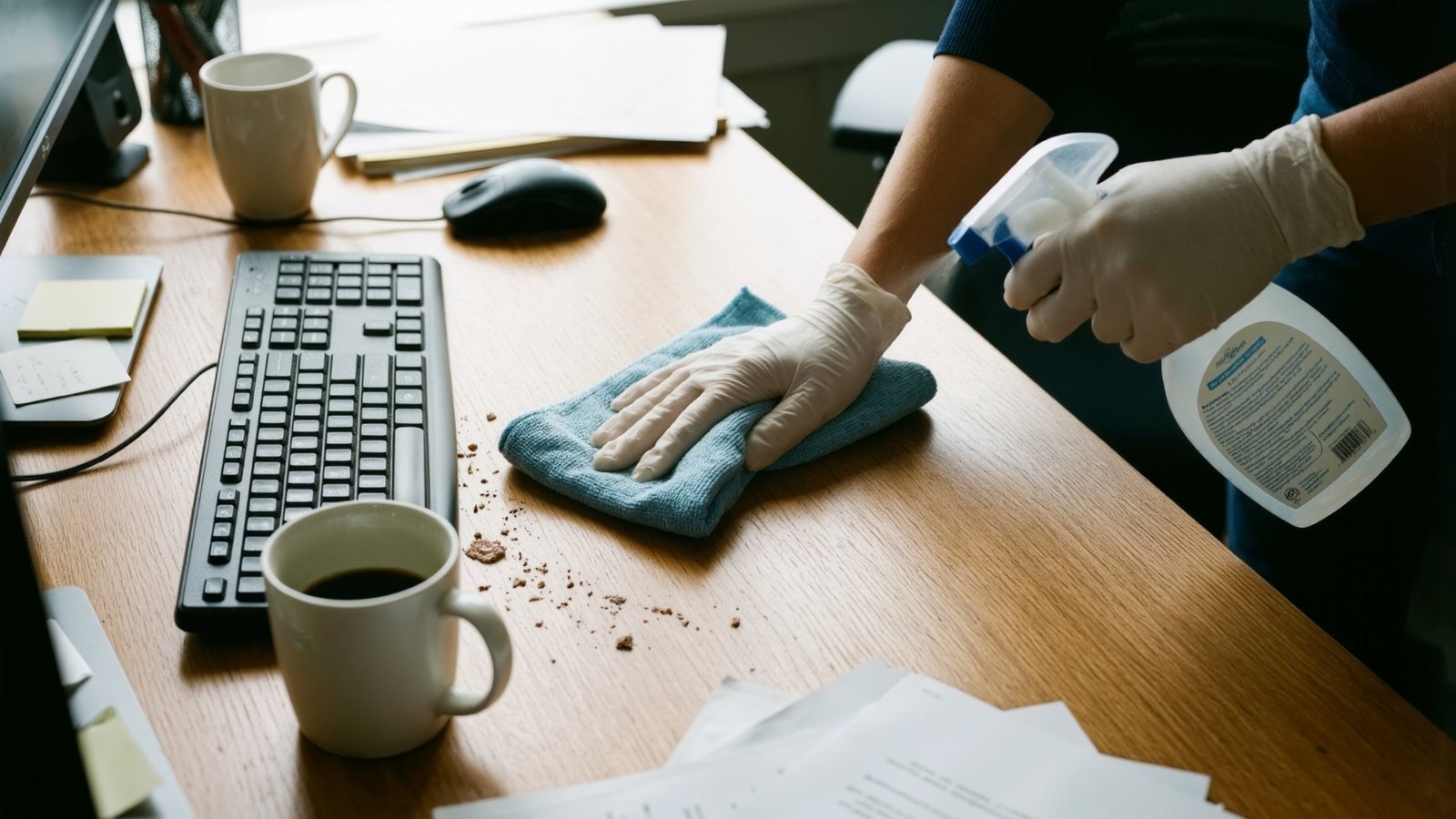
Individual desks and shared equipment like copiers, printers, and conference room technology accumulate germs from multiple users. Keyboards, mice, phones, and desk surfaces harbor substantial bacterial populations—studies find the average office desk contains 400 times more bacteria than toilet seats.
While employees can wipe their own workstations, most don’t do so effectively or consistently. Professional cleaning ensures these areas receive regular attention including:
- Dusting of desks, monitors, and equipment
- Disinfection of keyboards, phones, and other frequently touched items
- Trash removal and recycling
- Organized tidying that supports workspace functionality
Conference rooms require special attention as shared spaces used by multiple employees and visitors. Thorough cleaning between uses prevents cross-contamination and maintains professional presentation for client meetings.
Flooring Throughout Office Spaces
Floors serve as the primary collection point for outdoor contaminants tracked into offices. Shoes carry dirt, bacteria, pollen, and other particles from parking lots, streets, and outdoor environments into workplace interiors. Without proper floor care, these contaminants spread throughout offices and become airborne.
Professional floor care includes:
- HEPA-filtered vacuuming that captures fine particles rather than redistributing them
- Proper hard surface mopping using appropriate solutions and techniques
- Entry mat maintenance trapping outdoor contaminants before they penetrate deeper into buildings
- Periodic deep cleaning addressing soil buildup in high-traffic pathways
Proper floor care significantly improves indoor air quality by removing contaminants before they become airborne and reducing the allergen and bacterial loads in office environments.
Implementing Effective Office Cleaning Programs
Frequency Considerations
Cleaning frequency should match office usage and employee density. High-traffic offices with numerous employees benefit from daily cleaning maintaining consistent standards. Smaller offices or those with fewer employees might maintain acceptable standards with 2-3 times weekly service, though daily attention to restrooms and break rooms often still makes sense regardless of office size.
Many Sycamore Square businesses find that daily cleaning of common areas combined with thorough weekly attention to individual workspaces and monthly deep cleaning of often-missed areas creates optimal balance between cost and cleanliness.
Disinfection Protocols
Effective disinfection requires proper products applied correctly. Not all cleaning products disinfect—many simply remove visible soil without killing pathogens. Professional services use EPA-registered disinfectants proven effective against common workplace pathogens and apply them according to manufacturer specifications ensuring proper contact time for pathogen elimination.
Enhanced disinfection protocols focusing on high-touch surfaces become particularly important during cold and flu season or in response to specific health concerns. Professional cleaning companies can adjust protocols based on changing needs without requiring business managers to become cleaning product experts.
Green Cleaning Considerations
Many businesses prioritize environmentally responsible cleaning products that minimize chemical exposure for employees. Professional services increasingly offer green cleaning programs using products certified by organizations like Green Seal or EPA’s Safer Choice program.
These products clean effectively while reducing volatile organic compound (VOC) emissions and minimizing allergenic or irritating ingredients. For offices housing employees with chemical sensitivities or businesses committed to environmental sustainability, green cleaning programs demonstrate values alignment while protecting employee health.
Communication and Feedback
Effective cleaning programs require communication between cleaning services and office management. Regular check-ins ensure services meet expectations and allow adjustments addressing changing needs or seasonal variations. Quality services welcome feedback and respond constructively to concerns rather than becoming defensive when issues arise.
Some businesses benefit from detailed cleaning specifications documenting exact expectations for each area and task frequency. This documentation creates accountability and ensures alignment between what businesses expect and what services deliver.
The Return on Investment in Quality Cleaning
Quantifying Health-Related Benefits
While calculating exact ROI on improved cleaning proves challenging, the components are clear:
Reduced absenteeism: As noted earlier, improved cleaning can reduce sick days by 13.5% or more. For even small offices, this represents thousands of dollars in recovered productivity annually.
Lower healthcare costs: Employers providing health insurance benefit when employees remain healthier, reducing insurance claims and potentially qualifying for better premium rates.
Improved productivity: Even conservative estimates of productivity improvements from better indoor environmental quality suggest 5-10% gains in cognitive function and work quality.
Reduced turnover: Employees satisfied with workplace conditions stay longer, reducing recruitment and training costs that typically equal 50-200% of annual salary for replaced positions.
Better client impressions: Clean, well-maintained offices signal professionalism affecting client confidence and business development success.
When totaling these benefits, most businesses find that investing in quality Business Cleaning Services in Sycamore Square delivers positive return many times exceeding service costs.
Comparing Cost of Prevention vs. Outbreak Management
Consider the alternative to proactive cleaning investment—dealing with workplace illness outbreaks or serious sanitation issues after they develop. Reactive responses prove far more expensive than preventive maintenance:
- Emergency deep cleaning costs substantially more than regular service
- Workplace illness outbreaks affect multiple employees simultaneously, creating operational crises
- Serious sanitation issues can trigger OSHA involvement, liability exposure, and reputation damage
- Pest infestations resulting from inadequate cleaning require expensive remediation
Prevention through consistent professional cleaning proves far more cost-effective than crisis management after problems develop.
Selecting the Right Cleaning Partner
Relevant Experience
Office cleaning requires different approaches than residential cleaning. Businesses should seek providers with demonstrated commercial experience who understand workplace-specific challenges including maintaining security protocols, working around business operations, and meeting the higher standards commercial tenants and employees expect.
References from other Sycamore Square businesses provide valuable insight into service quality, reliability, and professionalism that you can expect from potential cleaning partners.
Health-Focused Protocols
Not all cleaning services emphasize health outcomes beyond surface appearance. Businesses prioritizing employee wellbeing should seek providers who understand and articulate how their protocols specifically address illness transmission, air quality, and allergen control rather than simply making spaces look tidy.
Questions about disinfection products, application techniques, HEPA filtration, and knowledge of workplace health issues help identify services that can deliver genuine health benefits beyond basic cleaning.
Reliability and Communication
Consistent service proves essential for health outcomes. Sporadic cleaning or services that frequently miss scheduled visits don’t provide the regular pathogen removal and allergen control that protect employee health. Businesses need partners who arrive reliably, communicate proactively about any schedule changes, and maintain quality consistency across all visits.
Investing in Your Team’s Health and Success
For Sycamore Square businesses, office cleaning represents far more than a facility maintenance expense—it’s an investment in employee health, productivity, and satisfaction that directly impacts business performance. The cleanest offices support the healthiest, most productive, and most satisfied workforces.
Understanding this connection helps business leaders make informed decisions about cleaning investments and recognize that quality professional services deliver value that justifies reasonable pricing through tangible benefits affecting bottom-line business outcomes.
At Clockwork Cleaning, we’ve served Sycamore Square businesses for years with cleaning programs specifically designed to create healthier work environments. We understand that your employees’ wellbeing affects your business success, and we bring the expertise, protocols, and commitment to quality that protect both.
Our team uses professional-grade equipment, proven disinfection protocols, and systematic approaches ensuring consistent results that support workplace health. We work around your business schedule, communicate proactively, and stand behind our services with satisfaction guarantees that give you confidence in your investment.
Ready to create a healthier workplace for your team? Contact Clockwork Cleaning today to discuss how our commercial cleaning programs can support your employees’ health and your business success. Let us show you what professional office cleaning truly means for workplace wellbeing.