

Eco-Friendly Cleaning Tips for Langley Homeowners
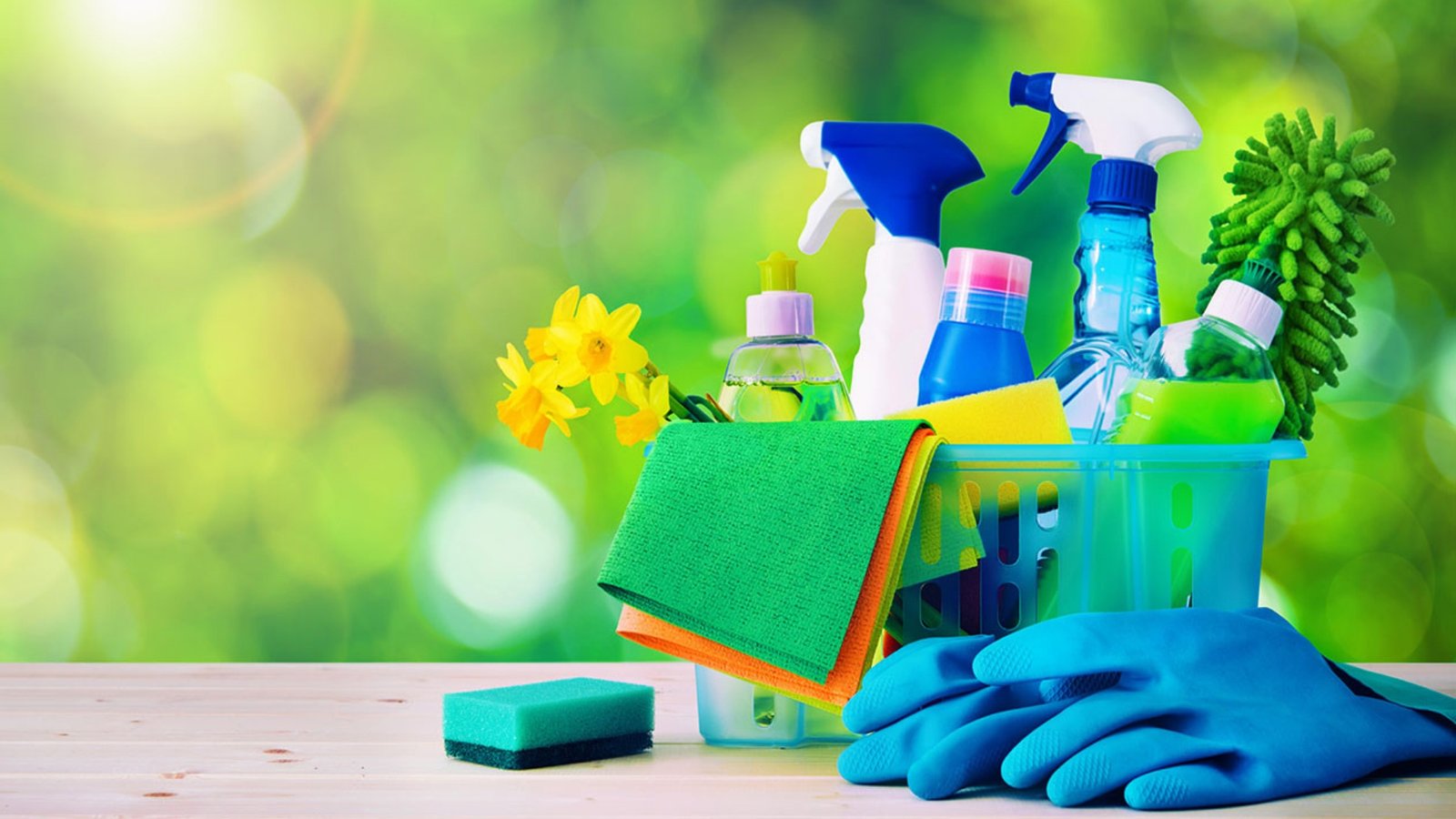
Langley’s family-friendly atmosphere and commitment to community values make it a neighborhood where residents care about their impact on the environment and the health of their families. As awareness grows about the chemicals found in traditional cleaning products—and their effects on indoor air quality, waterways, and long-term health—many Langley homeowners are seeking greener alternatives that clean effectively without compromising their values or their children’s wellbeing. Eco-friendly cleaning isn’t about sacrificing cleanliness for environmental principles; modern green cleaning approaches deliver powerful results using safer ingredients, sustainable practices, and science-backed methods that protect both your home and the planet. This comprehensive guide provides practical, actionable eco-friendly cleaning strategies specifically designed for Langley families who want spotless homes and clear consciences.
What Makes Cleaning Products and Practices Eco-Friendly?
Eco-friendly cleaning refers to approaches that minimize environmental impact and health risks through biodegradable ingredients that break down naturally without polluting waterways, reduced packaging and concentrated formulas that decrease waste, non-toxic ingredients safe for families and pets, sustainable manufacturing practices with lower carbon footprints, elimination of harsh chemicals like phosphates, chlorine bleach, and ammonia, VOC-free formulas that don’t release harmful volatile organic compounds into indoor air, and cruelty-free products not tested on animals. True green cleaning considers the entire lifecycle—from ingredient sourcing through packaging disposal—not just marketing claims.
Why Langley Families Should Consider Green Cleaning
The benefits of eco-friendly cleaning extend beyond feeling good about environmental stewardship.
Health and Indoor Air Quality
Traditional cleaning products release volatile organic compounds (VOCs) that linger in indoor air long after cleaning. These chemicals can trigger asthma, allergies, headaches, and respiratory irritation—particularly concerning for Langley families with young children, elderly family members, or anyone with respiratory sensitivities.
Green cleaning products use plant-based ingredients and essential oils that clean effectively without releasing harmful fumes. This creates healthier indoor environments where families spend the majority of their time, especially during Virginia’s cold winters and hot summers when homes remain closed up with HVAC systems recirculating indoor air.
Protecting Children and Pets
Young children and pets spend significant time on floors, putting their hands and paws on surfaces then into their mouths. Traditional cleaning product residues on these surfaces pose exposure risks. Additionally, the bright colors and sometimes pleasant scents of conventional cleaners make them attractive to curious children, creating poisoning hazards despite safety caps.
Eco-friendly cleaners use food-grade or plant-based ingredients that, while not intended for consumption, pose significantly lower toxicity risks if accidental exposure occurs. Many green cleaning approaches use simple ingredients like vinegar and baking soda—substances already present in most Langley kitchens.
Environmental Responsibility
Cleaning products wash down drains into wastewater systems and eventually into the Chesapeake Bay watershed. Conventional cleaners contain phosphates, surfactants, and other chemicals that persist in waterways, affecting aquatic ecosystems. Langley residents who enjoy Virginia’s natural beauty and outdoor recreation can protect these resources through cleaning choices.
Eco-friendly products use biodegradable ingredients that break down naturally without accumulating in the environment. Reduced packaging and concentrated formulas also decrease the plastic waste and transportation emissions associated with household cleaning.
Cost Effectiveness
While some premium green cleaning products cost more than conventional alternatives, many effective eco-friendly cleaning approaches actually save money. Homemade cleaners using simple ingredients like vinegar, baking soda, and castile soap cost pennies per use compared to dollars for commercial products. Concentrated green formulas stretch further than traditional cleaners, reducing per-use costs despite higher initial prices.
Essential Eco-Friendly Cleaning Ingredients
Building an effective green cleaning arsenal begins with understanding versatile, safe ingredients that handle most household cleaning tasks.
White Vinegar: The Multi-Purpose Powerhouse
White distilled vinegar’s acidity makes it remarkably effective for numerous cleaning applications. It cuts through grease, dissolves mineral deposits, eliminates odors, and acts as a natural disinfectant—though it doesn’t kill all pathogens and shouldn’t be relied upon as a hospital-grade disinfectant.
Kitchen Applications: Mix equal parts water and vinegar in a spray bottle for an all-purpose kitchen cleaner. Use it on countertops, stovetops, and appliance exteriors. For tough grease, apply undiluted vinegar, let it sit several minutes, then wipe clean. Descale coffee makers by running a brew cycle with vinegar followed by several water cycles.
Bathroom Cleaning: Vinegar excels at removing soap scum and hard water deposits common in Richmond area bathrooms. Spray shower doors, tubs, and sinks with undiluted vinegar, let sit 10-15 minutes, then scrub and rinse. For showerheads, soak them in vinegar to dissolve mineral buildup.
Floor Care: Add half a cup of vinegar to a gallon of warm water for mopping sealed hard floors. This solution cleans effectively without leaving residue. Never use vinegar on natural stone like marble or granite—the acid can etch these surfaces.
Important Note: Never mix vinegar with bleach or hydrogen peroxide—these combinations create toxic fumes. Additionally, the strong vinegar smell dissipates as it dries, leaving no lingering odor.
Baking Soda: The Gentle Abrasive
Baking soda (sodium bicarbonate) provides gentle abrasive action that scrubs surfaces without scratching, while its alkalinity helps break down grease and neutralizes odors.
Scrubbing Paste: Mix baking soda with just enough water to form a paste for scrubbing sinks, tubs, tile, and stovetops. This gentle abrasive removes stuck-on food and grime without damaging surfaces.
Odor Elimination: Place open boxes of baking soda in refrigerators, closets, and musty areas to absorb odors naturally. Sprinkle baking soda on carpets, let sit 15-30 minutes, then vacuum to eliminate carpet odors—particularly effective for pet odors.
Drain Maintenance: Pour half a cup of baking soda down drains followed by half a cup of vinegar. Let the fizzing action work for 15 minutes, then flush with hot water. This maintains drain freshness and prevents clogs without harsh chemical drain cleaners.
Stain Removal: Make a paste of baking soda and water to treat stains on fabrics, upholstery, and carpets. Apply, let dry, then vacuum or brush away.
Castile Soap: Plant-Based Cleaning Power
Castile soap, made from vegetable oils rather than animal fats or synthetic detergents, provides effective cleaning power in a biodegradable, versatile form. Dr. Bronner’s represents the most widely available brand, though other options exist.
All-Purpose Cleaner: Mix 1-2 tablespoons of liquid castile soap in a quart of warm water for an effective all-purpose cleaner suitable for most surfaces. Add a few drops of essential oil for pleasant scent if desired.
Dish Soap: Castile soap works effectively for hand-washing dishes. Use sparingly—its concentrated nature means a little goes a long way.
Laundry Detergent: Add 1/3 cup of liquid castile soap to laundry loads as a natural detergent alternative. For heavily soiled loads, boost cleaning power with washing soda (sodium carbonate—stronger than baking soda but still natural).
Floor Cleaner: Add a tablespoon of castile soap to a bucket of warm water for mopping. This creates effective cleaning solution without chemical residues.
Lemon Juice: Natural Acid and Fresh Scent
Lemon juice’s citric acid provides similar cleaning properties to vinegar while offering a more pleasant scent many prefer. It also contains natural antibacterial properties and acts as a mild bleaching agent.
Cutting Board Sanitization: Rub cut lemon halves over wooden cutting boards, let the juice sit several minutes, then rinse. This sanitizes naturally while removing odors and light stains.
Brass and Copper Polish: Mix lemon juice with salt to create a paste that polishes brass and copper fixtures without commercial metal polish chemicals.
Microwave Cleaning: Heat a bowl of water with lemon slices in the microwave until steaming. The lemon-infused steam loosens stuck-on food for easy wiping.
Grease Cutting: Lemon juice cuts through grease effectively. Add it to other cleaning solutions or use directly on greasy surfaces.
Essential Oils: Natural Fragrance and Antimicrobial Properties
Pure essential oils add pleasant natural fragrances to homemade cleaners while providing antimicrobial properties. Tea tree oil, lavender, eucalyptus, and lemon oils are particularly popular for cleaning applications.
Antimicrobial Boost: Add 10-15 drops of tea tree oil to homemade cleaning solutions for enhanced antimicrobial properties. Tea tree oil has demonstrated effectiveness against various bacteria and fungi.
Pleasant Scents: Add a few drops of lavender, lemon, or eucalyptus oil to cleaning solutions for natural fragrance without synthetic air fresheners.
Mold Prevention: Tea tree oil mixed with water in a spray bottle helps prevent mold growth in bathrooms and other moisture-prone areas.
Quality Matters: Use pure essential oils, not synthetic fragrance oils. While more expensive initially, pure essential oils are highly concentrated—a small bottle lasts months.
Room-by-Room Eco-Friendly Cleaning Strategies
Kitchen Green Cleaning
Countertops and Surfaces: For daily cleaning, spray surfaces with a solution of equal parts water and vinegar, wipe clean, then dry. For cutting boards and other food-contact surfaces requiring sanitization, use hydrogen peroxide (3% solution) in a spray bottle—let it sit several minutes before wiping for antimicrobial action.
Appliances: Clean refrigerator interiors with baking soda and water solution—it eliminates odors while cleaning safely around food. For stainless steel appliances, use a microfiber cloth dampened with water or a small amount of olive oil to clean and polish without chemical stainless steel cleaners.
Oven Cleaning: For routine oven cleaning, make a paste of baking soda and water, spread it inside the cool oven, let sit overnight, then wipe clean with a damp cloth. For stubborn baked-on residue, scrub with more baking soda paste—it may require some elbow grease but avoids caustic commercial oven cleaners.
Dishwashing: Choose plant-based dish soaps or use castile soap. For dishwashers, select phosphate-free detergents with biodegradable ingredients. Add white vinegar to the rinse aid dispenser as a natural rinse agent that prevents spots.
Floors: For tile or sealed hardwood kitchen floors, mop with a solution of castile soap and warm water, or vinegar and water for grease-cutting power. Always thoroughly wring mops—excess water damages floors regardless of cleaning solution used.
Bathroom Eco-Friendly Approaches
Toilet Cleaning: Sprinkle baking soda inside the toilet bowl, add vinegar (it will fizz), scrub with a toilet brush, and flush. For tougher stains, make a paste of baking soda and a few drops of tea tree oil, apply, let sit 15-30 minutes, scrub, and flush. House Cleaning Services in Langley using eco-friendly practices often employ these natural approaches that clean effectively without harsh chemicals.
Shower and Tub: Spray surfaces with undiluted white vinegar, let sit 15 minutes, scrub with a brush or non-scratch sponge, then rinse thoroughly. For soap scum, follow the vinegar treatment with a baking soda scrub. For glass shower doors, squeegee after each use to prevent buildup—this preventive approach reduces the need for intensive chemical cleaning.
Mirrors and Glass: Mix equal parts water and vinegar in a spray bottle for streak-free mirror and window cleaning. Wipe with microfiber cloths or crumpled newspaper for best results—avoid paper towels, which can leave lint.
Mold Prevention: After cleaning, spray bathroom surfaces with a mixture of water and tea tree oil (approximately 10 drops per cup of water). This natural antifungal helps prevent mold growth between cleanings. Improve bathroom ventilation by running exhaust fans during and after showers—prevention beats even the best green cleaning products.
Floor Care: Bathroom floors cleaned with castile soap and water solution or vinegar and water stay fresh without exposing families to chemical residues where children and pets contact surfaces.
Living Areas and Bedrooms
Dusting: Microfiber cloths trap dust electrostatically without chemical dusting sprays. For wood furniture, make natural furniture polish by mixing 1/4 cup olive oil with 1/4 cup vinegar. Apply sparingly with a soft cloth, then buff to shine.
Carpet and Upholstery: Sprinkle baking soda on carpets and upholstery, let sit 30 minutes to absorb odors, then vacuum thoroughly. For stains, treat with a paste of baking soda and water or use club soda—surprisingly effective on many fresh stains. For deeper carpet cleaning, rent machines that work with plant-based carpet cleaning solutions, or hire Residential Cleaning Services in Langley offering green carpet cleaning using low-moisture methods and eco-friendly products.
Windows: Clean with vinegar and water solution or add a small amount of castile soap to water. Dry with microfiber cloths or newspaper to prevent streaking.
Air Freshening: Rather than aerosol air fresheners containing synthetic fragrances and propellants, simmer water with citrus peels and cinnamon on the stove, use essential oil diffusers, place bowls of baking soda to absorb odors, or open windows for natural ventilation when weather permits.
Laundry Room Green Practices
Detergent Alternatives: Choose plant-based laundry detergents free from phosphates, optical brighteners, and synthetic fragrances. Alternatively, make homemade laundry detergent with washing soda, borax, and grated castile soap—recipes are widely available online and cost pennies per load.
Fabric Softener: Replace commercial fabric softeners containing synthetic chemicals with white vinegar added to the rinse cycle. It softens fabrics naturally without chemical residues or interfering with towel absorbency as commercial softeners do. For dryer use, wool dryer balls reduce static and drying time without chemical dryer sheets.
Stain Treatment: Pre-treat stains with baking soda paste, castile soap, or hydrogen peroxide (test colored fabrics first for colorfastness). These natural options handle most common stains without harsh stain removers.
Energy Efficiency: Wash in cold water when possible—modern detergents clean effectively in cold water while saving energy. Line-dry clothes when weather permits—it saves energy, extends clothing life, and provides natural bleaching action from sunlight.
Eco-Friendly Cleaning Tools and Accessories
Green cleaning extends beyond products to include sustainable tools and practices.
Microfiber Cloths and Mops
Microfiber technology revolutionized green cleaning by enabling effective cleaning with minimal or no chemical products. Microfiber’s ultra-fine synthetic fibers trap dirt, bacteria, and dust electrostatically—laboratory testing shows microfiber removes 99% of bacteria with just water.
Invest in quality microfiber cloths in different colors for different purposes (preventing cross-contamination between bathroom and kitchen cleaning). Wash microfiber separately without fabric softener, which coats fibers and reduces effectiveness. Air dry or tumble dry on low—high heat damages microfiber structure.
Microfiber mops with reusable, washable heads eliminate disposable mop pads while cleaning floors more effectively than traditional mops.
Reusable Spray Bottles
Purchase a few quality glass or BPA-free plastic spray bottles for homemade cleaning solutions. Label them clearly with contents and creation date. Glass bottles avoid concerns about chemicals leaching from plastic, though they’re heavier and breakable—choose based on your household’s needs, particularly if young children might access cleaning supplies.
Natural Bristle Brushes
Choose brushes made from sustainable materials like bamboo handles with natural bristles rather than entirely plastic brushes. These work just as effectively while reducing plastic consumption.
Swedish Dishcloths
These biodegradable cellulose and cotton cloths replace paper towels for most kitchen cleaning tasks. They’re highly absorbent, can be washed hundreds of times, and compost at end of life—significantly reducing paper towel waste.
Refillable Cleaning Systems
Some companies offer concentrated cleaning product refills that work with permanent spray bottles—reducing plastic packaging by up to 90%. Look for these systems at natural foods stores or online retailers.
Reading Labels and Avoiding Greenwashing
Not all products marketed as “natural” or “eco-friendly” actually meet green standards.
Certifications to Look For
EPA Safer Choice: Products with this label meet EPA’s stringent criteria for human and environmental safety.
Green Seal: This independent certification verifies products meet environmental standards throughout their lifecycle.
USDA Certified Biobased Product: Indicates products made from renewable plant, animal, or marine materials rather than petroleum.
Leaping Bunny: Certifies products and ingredients are cruelty-free—not tested on animals.
Red Flag Ingredients to Avoid
Even products marketed as natural may contain problematic ingredients. Avoid products listing: phthalates (often hidden as “fragrance”), triclosan (antibacterial agent linked to hormone disruption), 2-butoxyethanol (lung irritant often unlisted due to labeling loopholes), chlorine bleach (respiratory irritant, creates toxic fumes when mixed with other chemicals), and ammonia (respiratory and skin irritant).
Vague Marketing Claims
Be skeptical of terms like “natural,” “green,” or “eco-friendly” without specific certification or ingredient transparency. These terms aren’t regulated and may indicate minor changes to otherwise conventional products—true greenwashing. Look for products that fully disclose ingredients rather than hiding behind proprietary formulas.
Making the Transition to Green Cleaning
Switching to eco-friendly cleaning doesn’t require discarding everything under your sink immediately.
Gradual Transition Approach
As conventional cleaning products run out, replace them with green alternatives or homemade solutions. This avoids waste while moving toward greener practices. Start with the products your family uses most or those in highest-contact areas like kitchen counters and bathroom surfaces.
Start with Simple Recipes
Begin your green cleaning journey with basic recipes using vinegar, baking soda, and castile soap before exploring more specialized natural products. Master these versatile ingredients before investing in commercial green cleaners.
Keep What Works
If certain conventional products work particularly well for specific tasks and green alternatives haven’t proven effective, that’s okay. Perfection isn’t the goal—significant reduction in chemical exposure and environmental impact matters more than 100% natural solutions for every task.
Involve Family Members
Explain to Langley family members—particularly children—why you’re making these changes. Teaching environmental responsibility and healthy choices creates lasting impact beyond immediate cleaning practices. Many children enjoy helping make simple cleaning solutions—it provides educational opportunities about chemistry, environmental science, and responsible consumer choices.
Cost-Effective Green Cleaning
Bulk Purchasing
Buy common eco-friendly cleaning ingredients in bulk—gallon jugs of white vinegar cost significantly less per ounce than small bottles. Large containers of baking soda, castile soap, and washing soda purchased at warehouse stores or online reduce per-use costs dramatically.
DIY vs. Commercial Products
Homemade cleaners typically cost 50-90% less than commercial products, green or conventional. A batch of all-purpose cleaner costs pennies and cleans as effectively as $5 spray bottles. However, commercial green products offer convenience—choose based on your time, budget, and priorities.
Concentrate on Multipurpose Solutions
Rather than buying specialized cleaners for every surface, master a few multipurpose solutions. Vinegar, baking soda, and castile soap handle 90% of household cleaning needs, eliminating the need for separate window cleaner, bathroom cleaner, floor cleaner, and countertop cleaner.
When Professional Green Cleaning Makes Sense
While DIY eco-friendly cleaning works well for regular maintenance, certain situations benefit from professional services.
Deep Cleaning Projects
Comprehensive deep cleaning—particularly for carpet deep cleaning, whole-house window washing, or post-renovation cleanup—may exceed typical DIY capacity. Home Cleaning in Langley services offering eco-friendly options bring commercial-grade green equipment and expertise delivering superior results while maintaining environmental values.
Time Constraints
Busy Langley families balancing work, children’s activities, and community involvement may lack time for thorough home cleaning. Professional services using green products and practices maintain home cleanliness without sacrificing family time or environmental principles.
Specific Expertise
Certain tasks like natural stone care, delicate surface treatment, or extensive mold remediation benefit from professional knowledge. Mistakes with DIY approaches can damage surfaces or prove ineffective—professionals understand which green products and methods suit different materials and situations.
Regular Maintenance Services
Some families prefer professional cleaning services for regular maintenance, asking specifically for eco-friendly cleaning protocols. This ensures consistent home cleanliness using green products and methods while freeing family time for other priorities.
Eco-Friendly Professional Cleaning for Langley Homes
Clockwork Cleaning VA offers comprehensive residential cleaning services using environmentally responsible products and practices that protect your family’s health and our shared environment. Our experienced team utilizes plant-based cleaning solutions, microfiber technology, and proven green cleaning methods that deliver spotless results without harsh chemicals. We customize our eco-friendly cleaning approach to your Langley home’s specific needs and your family’s priorities, whether that means completely chemical-free cleaning or strategic use of certified green products for specific tasks. Experience professional cleaning that aligns with your values—contact us today to discuss how our green cleaning services can maintain your beautiful Langley home while protecting what matters most.