

Just Moved Into a New Build in Elko? Here's Why Post-Move-In Cleaning Is Non-Negotiable
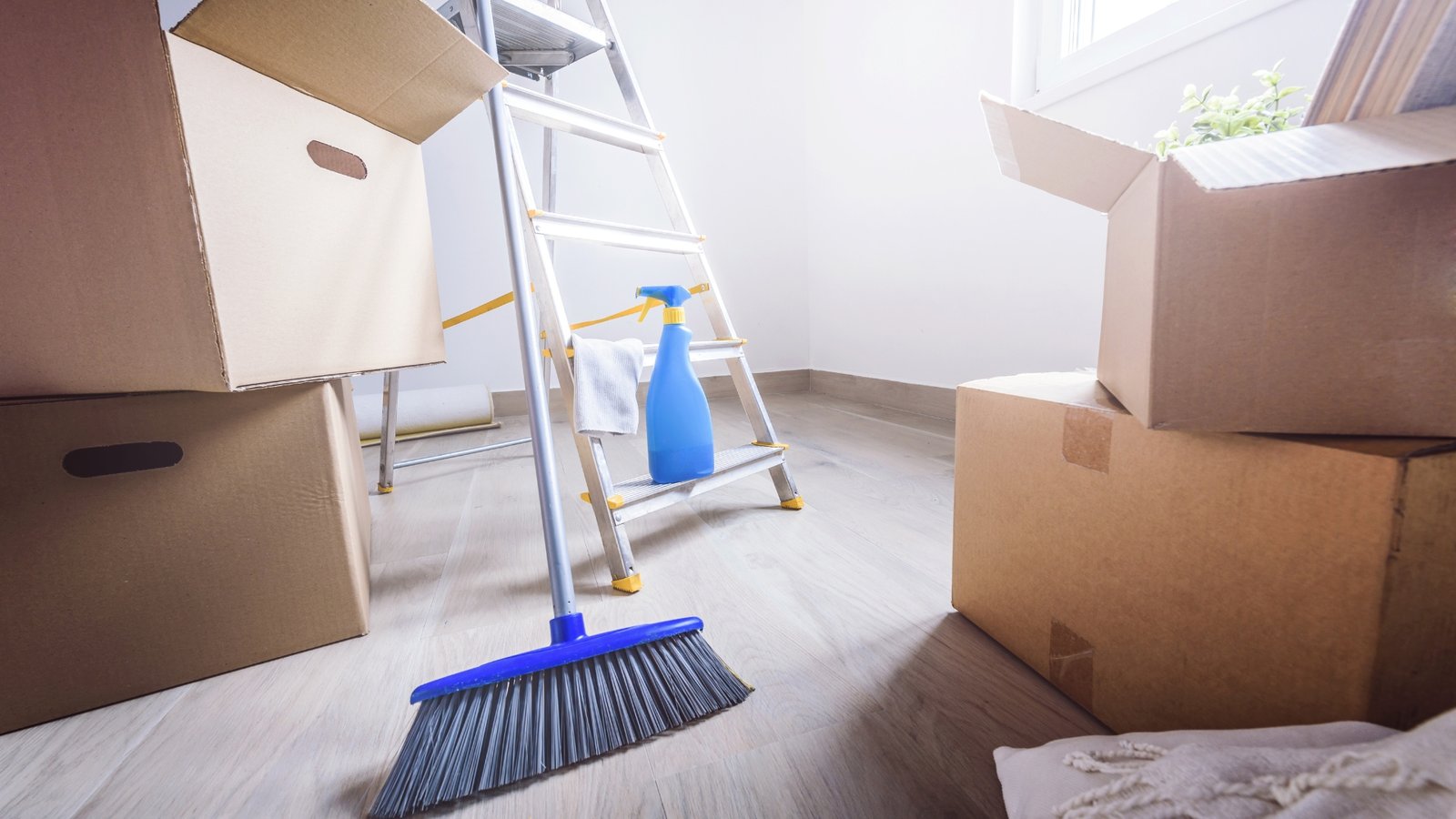
There’s a particular excitement that comes with moving into a brand new home. Fresh paint on every wall, untouched countertops, flooring that nobody’s scuffed yet — it feels clean by definition. Elko’s newer residential developments have been drawing exactly this kind of buyer and renter: people who want modern construction, more space, and the appeal of a home that hasn’t accumulated anyone else’s history. And the growth in this part of Henrico County means more new builds are being handed over every month.
But here’s the thing that catches a lot of new build residents off guard: a newly constructed home is not a clean home. It’s a recently built one. Those are two very different things, and the distinction matters enormously in the first days and weeks of your occupancy. Construction contamination is real, it’s widespread throughout a newly finished property, and it requires a specific cleaning response that unpacking and organising your belongings won’t address.
This guide is for Elko residents who’ve just moved — or are about to move — into a new construction home and want to understand exactly what post-move-in cleaning involves, why it can’t be skipped, and how to get it done properly.
Why Is Post-Move-In Cleaning Non-Negotiable for New Build Homes in Elko?
Post-move-in cleaning in a new construction home addresses the residual contamination left by the building process — fine construction dust, drywall particles, adhesive residues, silica, VOC off-gassing residue, and debris in areas that builder cleaning teams miss or don’t reach. In Elko’s newer residential developments, where homes are completed and handed over quickly, this contamination is consistently present regardless of how finished the property appears at walkthrough. Until it’s properly removed, it affects air quality, surface condition, and the health of everyone living in the home.
What Elko’s Growth Means for New Build Residents
Elko and the broader eastern Henrico corridor have seen significant residential development over the past several years. The draw is understandable — newer housing stock, good access to Richmond via I-64 and Route 60, and more space per dollar than closer-in neighbourhoods. Subdivisions that were fields a few years ago are now established streets with occupied homes and more phases under construction.
This pace of development creates a specific pattern in how homes get finished and handed over. Builders are working to timelines, and the cleaning performed before a walkthrough is typically a builder’s clean — a sweep-and-wipe process designed to make the home presentable for inspection, not to address the full scope of construction residue. The home looks ready. It isn’t fully clean.
For residents moving into Elko’s newer builds, this gap between appearance and actual cleanliness is the core issue that post-move-in cleaning addresses.
What Construction Contamination Actually Looks Like
Understanding what you’re dealing with helps explain why standard unpacking and tidying doesn’t solve the problem.
Drywall Dust
This is the most pervasive and most problematic residue in any newly constructed home. Drywall installation and finishing generates an extraordinarily fine white dust that settles on every horizontal surface — but more importantly, it infiltrates HVAC systems, settles inside cabinet interiors before doors are fitted, coats the inside of light fixtures, and penetrates into any gap or cavity in the building envelope. It’s not visible as a thick layer in the way construction site dirt is visible. It’s a thin, nearly invisible film that coats everything and becomes airborne again whenever disturbed.
Drywall dust contains crystalline silica, which is a respiratory irritant. In a newly occupied home where the HVAC system is running and residents are moving boxes and furniture, drywall dust is continuously being resuspended. This isn’t an abstract concern — it’s a direct indoor air quality issue that proper post-move-in cleaning is specifically designed to address.
Adhesive Residues
Flooring installation, tile setting, trim attachment, and fixture fitting all involve adhesives. Even when the visible installation is clean, adhesive residue commonly appears along floor edges, under appliances, around tile perimeters, and beneath any surface that was placed rather than built in place. These residues attract grime and become progressively harder to remove the longer they’re left.
Caulk and Sealant Overspray
Bathrooms, kitchens, window frames, and anywhere requiring a water-resistant seal will have caulk applied during construction. Overspray and excess caulk that wasn’t properly tooled or cleaned during finishing leaves residue on adjacent tile, glass, and fixture surfaces. This is particularly common around bathtubs, shower enclosures, and kitchen sink areas.
Paint Residue and Overspray
Paint splatter on hardware, flooring, window glass, switch plates, and skirting boards is almost universal in new construction. Painters work quickly across large volumes of units, and minor overspray on non-painted surfaces is routinely left for the builder’s clean team to address — which may or may not happen adequately before handover.
HVAC Contamination
Perhaps the least visible but most consequential construction residue issue is HVAC contamination. During construction, the ventilation system is often running to manage humidity or temperature — meaning it’s actively drawing in construction dust and distributing it throughout the ductwork. Vent covers, return grilles, and the duct system itself collect significant contamination during the build process. Without proper post-construction HVAC cleaning, the system redistributes this contamination throughout the home every time it runs.
What Builder Cleans Do and Don’t Cover
It’s worth being specific about what the builder’s clean — the cleaning performed before your walkthrough — typically includes, because understanding its limitations helps clarify why post-move-in cleaning is a separate and necessary step.
A standard builder’s clean generally covers:
- Sweeping and mopping of hard floors
- Wiping down visible countertop and cabinet surfaces
- Cleaning bathroom fixtures and mirrors
- Removing visible debris from rooms
- Window glass cleaning (interior, main panes)
What it typically does not adequately address:
- Interior of HVAC ducts and vent covers
- Inside cabinet boxes before hardware installation
- Fine drywall dust on upper surfaces, ceiling fans, and light fittings
- Adhesive residue on floor edges and under appliances
- Paint overspray on hardware, glass edges, and skirting boards
- Garage floors and utility spaces
- Exterior threshold and entry areas
The builder’s clean is a visual presentation standard, not a health and habitability standard. Move In Cleaning in Elko performed by a specialist team picks up where the builder’s clean ends — and that gap is consistently larger than new residents expect.
The Health Case for Post-Move-In Cleaning
Beyond the practical cleaning argument, there’s a straightforward health case for post-move-in cleaning in a new construction home that deserves direct attention.
Respiratory Exposure
Fine particulate matter — drywall dust, silica, wood dust from cutting and framing, and insulation fibres — is present throughout a newly finished home at levels that are measurably higher than in an established property. For adults in good health, the short-term exposure of moving day and the first few weeks is unlikely to cause lasting harm. For children, the elderly, or anyone with asthma, allergies, or respiratory conditions, it’s a more significant concern. Moving into a new home with young children and not addressing construction contamination first is a preventable exposure risk.
VOC Off-Gassing
New construction materials — paints, adhesives, sealants, flooring underlayment, and cabinetry — off-gas volatile organic compounds for weeks to months after installation. While ventilation is the primary response to VOC off-gassing, cleaning surfaces that carry adhesive, paint, and sealant residue reduces the surface area actively off-gassing into the living environment. It’s a partial mitigation but a meaningful one.
Pest Prevention
Construction debris — wood shavings, paper backing from insulation, cardboard from packaging left in wall cavities — can attract pests if not fully cleared from the property. A thorough post-move-in clean that addresses these less visible areas reduces pest attraction at the point when the home’s pest prevention baseline is being established.
Room-by-Room: What Post-Move-In Cleaning Should Cover
A proper post-move-in clean in a new Elko construction home is more comprehensive than any recurring residential clean. Here’s what a thorough scope looks like in practice.
Kitchen
- All cabinet interiors wiped down — construction dust settles inside even factory-fitted cabinets during site work
- Drawer interiors cleaned and dried
- Countertops cleaned of any adhesive residue, grout haze, or installation dust
- Sink and basin cleaned and sanitised — construction debris in new sink drains is common
- Appliances wiped down internally where accessible — oven cavity, refrigerator interior if supplied
- Under-appliance areas cleared of adhesive tabs, packaging remnants, and dust accumulation
- Backsplash cleaned of grout haze and any sealant overspray
- Range hood filter cleaned — new filters collect construction dust during the build period
Bathrooms
- Shower enclosure and bath cleaned of caulk overspray, grout haze, and adhesive residue
- Tile surfaces cleaned with appropriate product for the specific tile type
- Fixtures cleaned of paint overspray and sticker adhesive residue — taps, showerheads, and towel rails commonly arrive at handover with manufacturer sticker residue
- Mirror cleaned of paint specks and installation dust
- Cabinet interiors wiped
- Toilet cleaned and sanitised — construction workers use site facilities but new toilets still accumulate dust internally
- Exhaust fan covers cleaned
Living Areas and Bedrooms
- All horizontal surfaces dusted top-to-bottom — including crown moulding, light fittings, window casings, and skirting boards
- Ceiling fan blades cleaned — new fans collect construction dust before installation is complete
- Window glass cleaned internally — construction fingerprints, paint specks, and adhesive residue from protective film removal are near-universal
- Window tracks and sill areas vacuumed and wiped
- Wardrobe and closet interiors wiped down
- All flooring vacuumed thoroughly before any mopping or treatment
HVAC and Ventilation
- All vent covers removed, cleaned, and replaced
- Return air grilles cleaned
- Visible duct openings vacuumed at the register point
- Thermostat and control panels wiped
Garage and Utility Areas
- Floor swept and cleared of construction debris
- Any built-in storage or utility sink cleaned
- Laundry connections and adjacent areas cleared
Move In / Move Out Cleaning in Elko performed to this standard gives you a genuine clean-slate start in your new home — not just a visually tidy one.
Timing: When to Book Post-Move-In Cleaning
The most effective approach is to complete post-move-in cleaning before your furniture and belongings are fully installed. Cleaning an empty or partially furnished new build is significantly more efficient and thorough than cleaning around boxes, furniture, and unpacked items.
Practically, the ideal sequence is:
- Walkthrough and handover with builder
- Post-move-in cleaning completed before or immediately after first furniture delivery
- Furniture, appliances, and belongings installed into a properly clean space
If this sequence isn’t possible — if you’ve already moved in fully before addressing the cleaning — post-move-in cleaning is still absolutely worth doing. The contamination doesn’t disappear; it continues to affect your air quality and surface condition until it’s addressed. The clean is simply more involved with furniture in place.
Why Generic Cleaning Services Aren’t the Right Choice Here
Post-move-in cleaning for a new construction property is a specialist task. The scope, the product requirements, and the cleaning methodology differ substantially from both recurring residential cleaning and standard move-in cleans for previously occupied homes.
A general residential cleaning team accustomed to maintenance cleans will be calibrated for a different scope entirely. Their timing assumptions will be wrong. Their product selection may not be appropriate for construction residue types. And their checklist — built around maintaining an already-clean home — won’t map onto the specific requirements of a newly built property.
Moving Cleaning Services in Elko that genuinely understand new construction cleaning arrive with the right products for adhesive and grout haze removal, the right tools for fine dust extraction, and a scope that accounts for the specific contamination profile of a recently completed build. That specialist knowledge is the difference between a clean that looks right and one that actually is right.
What Elko New Build Residents Should Ask Before Booking
Before committing to a post-move-in cleaning provider, run through these questions:
Have you cleaned new construction properties specifically, not just move-in cleans for established homes? The experience profile is different and should be confirmed.
What products do you use for adhesive residue and grout haze? A provider who can answer this specifically is demonstrating relevant knowledge. One who can’t is flagging a gap.
What’s your approach to construction dust — are you using HEPA-filter equipment? Fine construction particulate requires appropriate vacuum filtration. Standard domestic vacuums recirculate fine dust rather than capturing it.
Can you accommodate the timing I need — before furniture delivery if possible? Confirm scheduling availability relative to your move-in timeline, not just calendar availability in general.
Is the scope written and itemised? Get the scope in writing before the booking is confirmed. A reputable provider will have no hesitation providing this.
Clockwork Cleaning for Elko New Build Residents
Clockwork Cleaning works with new build residents across Henrico County, including Elko’s growing residential developments. The team understands the specific contamination profile of newly constructed homes and approaches post-move-in cleaning with a scope and methodology built for new construction — not adapted from a maintenance cleaning checklist.
If you’ve just moved in or are planning your move into a new Elko home and want to start with a genuinely clean space, reach out for a quote. The team will assess your property, confirm the scope, and get your new home to the standard it should have been at handover.