

The Importance of Post-Renovation Cleaning in Sabot Hill
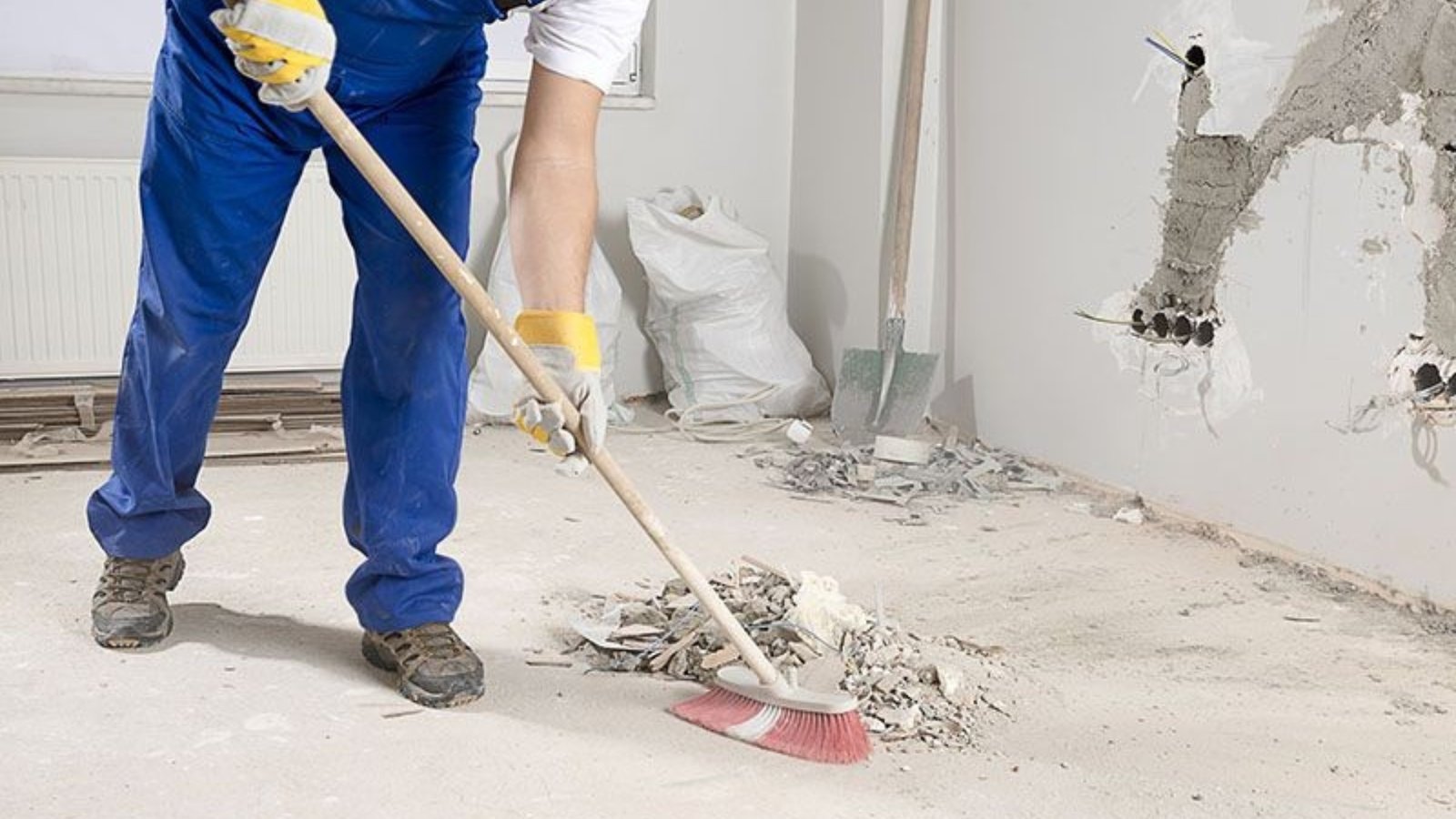
Sabot Hill represents some of the most desirable real estate in the Richmond area, where distinctive homes on spacious lots attract homeowners who value quality, craftsmanship, and attention to detail. Whether you’ve just completed a kitchen remodel showcasing custom cabinetry, added a luxurious master suite, finished a basement to create additional living space, or undertaken exterior renovations enhancing your home’s curb appeal along these scenic streets, your renovation investment deserves a finale that matches its quality—comprehensive post-renovation cleaning that transforms construction chaos into pristine, livable beauty. The fine dust, debris, adhesive residues, and construction materials that inevitably accompany even the most carefully managed renovation projects obscure the beautiful results you’ve invested thousands of dollars to achieve. Understanding why post-renovation cleaning differs fundamentally from regular housekeeping, what this specialized process involves, and how to approach it effectively ensures your Sabot Hill home renovation concludes with the stunning reveal it deserves rather than lingering frustration over persistent construction residue.
What Makes Post-Renovation Cleaning Different from Regular Cleaning?
Post-renovation cleaning addresses challenges far beyond typical household dirt and requires specialized approaches, products, and often equipment that regular housekeeping doesn’t involve. Construction dust penetrates everywhere—inside cabinets, ductwork, light fixtures, and areas never touched during routine cleaning. This ultra-fine particulate matter can’t be removed with standard vacuuming and requires HEPA filtration to prevent simply recirculating through your home. Adhesives, caulk, paint, and other construction materials leave residues on surfaces requiring specific solvents and techniques for safe removal without damaging finishes. Protective films on windows, appliances, and fixtures need careful removal to avoid leaving adhesive residue. New surfaces and materials require appropriate cleaning methods—using wrong products on new countertops, flooring, or cabinetry can damage finishes before you’ve even enjoyed them. The sheer volume of debris and the need for multiple cleaning passes make post-renovation cleaning significantly more time-intensive than regular housekeeping.
Why Post-Renovation Cleaning Matters for Sabot Hill Homes
The importance of thorough post-construction cleaning extends far beyond aesthetics into health, safety, and protecting your renovation investment.
Health and Indoor Air Quality
Construction dust contains potentially harmful particles: silica from cut stone or tile, sawdust from woodworking, drywall dust containing gypsum and other compounds, paint and finish fumes, and various chemical compounds from adhesives, sealants, and construction materials. These particles become airborne with movement through the space, continuing to circulate through HVAC systems if not thoroughly removed.
For Sabot Hill families, particularly those with young children, elderly residents, or anyone with respiratory conditions, lingering construction dust poses legitimate health concerns. Silica dust exposure, even at residential renovation levels, can irritate respiratory systems. Fine particulate matter triggers asthma and allergies. Proper post-renovation cleaning with HEPA filtration removes these contaminants, creating safe indoor air quality in your newly renovated spaces.
Protecting Your Investment
Renovations in Sabot Hill homes often represent investments of tens or hundreds of thousands of dollars. Allowing construction residue to remain on new surfaces can actually damage them. Fine grit acts like sandpaper on new hardwood floors, scratching finishes with regular foot traffic. Dust settling on freshly painted walls can embed into the finish before it fully cures. Adhesive residues left on new tile can attract dirt, creating permanent discoloration. Construction debris in HVAC systems reduces efficiency and can damage equipment.
Thorough post-renovation cleaning protects these significant investments, ensuring new surfaces, finishes, and materials perform and appear as intended throughout their expected lifespan.
Revealing the True Results
Perhaps most importantly, you can’t fully appreciate or enjoy your renovation until construction residue is completely removed. That beautiful new kitchen remains underwhelming when cabinet interiors are dusty, countertops show paint splatters, and floors are gritty. Your stunning new bathroom doesn’t sparkle when grout haze dulls tile and construction dust coats fixtures. House Cleaning in Sabot Hill after renovations transforms spaces from “almost finished” to genuinely complete—the dramatic before-and-after reveal you’ve anticipated throughout the construction process.
Preventing Long-Term Issues
Construction dust left in ductwork circulates throughout your home for months or years, continuously redepositing on surfaces and affecting air quality. Debris in plumbing fixtures can cause clogs or damage. Materials left in walls during construction (a surprisingly common occurrence) can create odors or attract pests. Comprehensive post-renovation cleaning addresses these potential long-term issues while they’re still easily remedied.
Meeting Move-In or Occupancy Standards
If your renovation prepared your home for sale or rental, or if you relocated during construction and are moving back in, post-renovation cleaning becomes essential for livability. Tenants or buyers expect move-in ready conditions—not construction sites requiring additional cleaning before unpacking. Even if you remained in your home during renovations, truly occupying and enjoying renovated spaces requires them to be thoroughly cleaned and ready for daily life.
The Post-Renovation Cleaning Process
Effective post-construction cleaning follows a systematic, multi-stage process quite different from regular housekeeping.
Stage 1: Rough Clean (Construction Crew Responsibility)
Reputable contractors typically include “rough clean” in their scope, though standards vary dramatically. This initial phase should include removing all construction debris and materials, sweeping or vacuuming obvious dust and dirt, removing protective coverings from fixtures and surfaces, and disposing of all trash and leftover materials.
However, this rough clean rarely meets residential living standards. It makes spaces safe and removes obvious debris but doesn’t address the fine dust coating every surface, adhesive residues, or the detailed cleaning necessary for comfortable occupancy. Many Sabot Hill homeowners mistakenly believe rough clean means their renovation is complete—then experience frustration discovering how much cleaning remains.
Important Note: Clarify with your contractor what their “final cleaning” includes. If they’re only providing rough clean, factor professional post-renovation cleaning into your budget and timeline from the project’s beginning.
Stage 2: Detailed Post-Renovation Cleaning
This comprehensive phase addresses everything rough cleaning missed and represents the work most homeowners mean when they say “post-renovation cleaning.”
Dust Removal—The Primary Challenge: Construction dust is the pervasive enemy of post-renovation cleanliness. It settles on every horizontal surface, gets inside closed cabinets and drawers, coats light fixtures and ceiling fans, infiltrates HVAC systems, and even penetrates areas you’d think were sealed.
Effective dust removal requires HEPA-filtered vacuums that trap fine particles rather than exhausting them back into the air. Standard residential vacuums recirculate fine construction dust, making the problem worse. HEPA filtration captures 99.97% of particles as small as 0.3 microns—essential for construction dust removal.
The process involves vacuuming every surface before any wet cleaning—walls, ceilings, floors, inside cabinets, window sills, baseboards, and all fixtures. This prevents turning dust into muddy residue when wet cleaning begins.
Surface Cleaning: After dust removal, detailed surface cleaning addresses remaining residue. This includes wiping down all walls to remove dust and any paint or adhesive splatters, cleaning all cabinetry inside and out, scrubbing countertops and backsplashes, cleaning all fixtures and hardware, addressing windows and window tracks, and detailed baseboard and trim cleaning.
Each surface type requires appropriate cleaning products. New granite or quartz countertops need pH-neutral cleaners. New hardwood floors require products that won’t damage their finish. Fresh paint needs gentle cleaning that won’t mar the surface.
Floor Care: Floors present particular post-renovation challenges. For hard surface floors, sweep or vacuum thoroughly, then clean with appropriate products for the flooring material, addressing any adhesive or grout residues, and finishing with a protective treatment if appropriate for the floor type.
For carpeted areas, multiple rounds of HEPA vacuuming remove construction dust, followed by professional-grade carpet cleaning if dust has embedded deeply. New carpet may need initial cleaning despite being new if construction occurred after installation.
Window Cleaning: Construction leaves windows in deplorable condition—paint splatters, sticker residue, dust coating both sides, and caulk or sealant marks. Windows require inside and outside cleaning, careful removal of any protective film or stickers, and detailed track and sill cleaning.
Kitchen and Bathroom Specifics: Newly renovated kitchens and bathrooms need particular attention. Clean inside all new cabinets and drawers before placing items inside. Remove protective films from new appliances. Clean and polish new fixtures. For bathrooms, remove grout haze from new tile—this filmy residue dulls tile appearance and requires specific grout haze removers rather than regular cleaners.
Light Fixtures and Fans: Remove light fixture covers and wash them, removing dust and construction debris. Clean ceiling fan blades, which accumulate heavy dust layers during construction. Replace any burnt bulbs—construction often leaves lights running continuously, shortening bulb life.
HVAC System Attention: Change HVAC filters immediately after renovation—they’ve worked overtime filtering construction dust and likely need replacement. Consider professional duct cleaning if renovation was extensive or particularly dusty. Clean all visible vents and returns throughout the home.
Stage 3: Final Detailing
After comprehensive cleaning, a final detail pass addresses any overlooked areas and ensures true completion. This includes inspecting all surfaces in good lighting for missed spots, removing any remaining protective materials, final polish on fixtures and glass surfaces, and ensuring the home is truly ready for comfortable occupancy.
Room-by-Room Post-Renovation Considerations
Kitchen Renovations
Kitchen renovations generate substantial dust and debris while creating spaces requiring particular care to avoid damaging new materials.
Cabinetry: Wipe down all cabinet exteriors using appropriate cleaners for your cabinet finish—wood, laminate, and painted cabinets each require different approaches. Clean inside every cabinet and drawer, removing construction dust before placing items inside. Polish hardware to remove fingerprints and dust. For glass-front cabinets, clean inside and out.
Countertops: New countertops represent significant investments requiring proper care. For granite or quartz, use pH-neutral cleaners—acidic products like vinegar can etch surfaces. Remove any adhesive residue from template or protection materials carefully using appropriate solvents. Polish to reveal the full beauty of the stone.
Appliances: Remove all protective films from new appliances, using appropriate adhesive removers if residue remains. Clean interiors of all appliances before first use. Polish stainless steel exteriors using appropriate products—many household cleaners damage stainless finishes.
Backsplash: New tile backsplashes often show grout haze requiring removal with specialized products. Clean thoroughly to remove any construction dust from textured surfaces. Seal grout if appropriate for your installation.
Flooring: New kitchen floors need appropriate initial cleaning—hardwood requires products that won’t damage fresh finish, tile needs grout cleaning and sealing, and any new flooring benefits from thorough cleaning before heavy use embeds dirt into surfaces.
Bathroom Renovations
Bathroom renovations involve substantial tile work, plumbing, and materials that create specific post-construction challenges.
Tile and Grout: Remove grout haze from all new tile—this critical step dramatically affects final appearance. Clean thoroughly to reveal tile’s true color and finish. Seal grout appropriately—unsealed grout in bathrooms quickly stains and mildews.
Fixtures: New faucets, showerheads, and other fixtures often come with protective films requiring removal. Polish thoroughly to showcase their finish. Check that all fixtures function properly and aren’t obstructed by construction debris.
Shower/Tub: Glass shower enclosures need inside and outside cleaning plus careful removal of any stickers or protective materials. Clean thoroughly before first use to prevent setting construction residue that becomes harder to remove after water exposure.
Vanity: Similar to kitchen cabinets, clean vanity inside and out before placing toiletries and personal items inside. New countertops require appropriate cleaning products for their material.
Ventilation: Clean bathroom exhaust fans thoroughly—construction dust dramatically affects their performance. Ensure they’re functioning properly, as good ventilation prevents moisture problems in bathrooms.
Whole-House or Multiple-Room Renovations
Extensive renovations compound post-construction cleaning challenges through sheer scope and the difficulty of isolating construction dust.
HVAC System Priority: With dust throughout the home, HVAC system cleaning becomes critical. Change filters, clean vents, and strongly consider professional duct cleaning. Without addressing HVAC systems, dust continues circulating for months regardless of surface cleaning efforts.
Systematic Approach: Work room by room, completing each space entirely before moving to the next. This prevents feeling overwhelmed and ensures thorough results. Start with rooms farthest from common areas, working toward main living spaces.
Multiple Cleaning Passes: Extensive renovations require multiple cleaning passes—dust continues settling for days after initial cleaning. Plan for initial comprehensive cleaning, followed by a secondary pass 2-3 days later addressing newly settled dust.
DIY vs. Professional Post-Renovation Cleaning
Sabot Hill homeowners face an important decision after renovations conclude: tackle post-construction cleaning personally or hire professionals.
The DIY Approach
Advantages: Cost savings represent the primary DIY advantage. You’ll also have complete control over timing and can work at your own pace. For small renovation projects—a single bathroom or small room—DIY cleaning may prove entirely manageable.
Challenges: DIY post-renovation cleaning requires significant time—often 20-40+ hours for substantial renovations. You’ll need access to HEPA-filtered vacuums (which may require rental if you don’t own one) and various specialized cleaning products for different surfaces and residues. The physical demands are considerable—post-renovation cleaning involves heavy-duty work quite different from regular housekeeping. Without experience, you may inadvertently damage new surfaces using inappropriate products or techniques. Perhaps most importantly, achieving truly professional results without professional equipment and expertise proves difficult—many DIY attempts leave homeowners frustrated that spaces still don’t look completely finished.
Professional Post-Renovation Cleaning
Advantages: Residential Cleaning Services in Sabot Hill specializing in post-construction cleaning bring commercial HEPA equipment, experienced crews familiar with common post-renovation challenges, appropriate products for various surfaces and materials, and insurance protecting against potential damage. They complete in hours what takes homeowners days or weeks. Professional results reveal your renovation’s true beauty—the difference between professional and amateur post-renovation cleaning often shocks homeowners who’ve attempted DIY approaches for previous projects.
Considerations: Professional services cost more than DIY approaches, though often less than homeowners expect—typically $300-800+ depending on renovation scope and home size. You’ll need to schedule services and coordinate access. However, for most Sabot Hill homeowners who’ve invested substantially in renovations, professional post-construction cleaning represents a small percentage of total project cost while dramatically impacting satisfaction with final results.
Hybrid Approaches
Some homeowners successfully combine approaches: hiring professionals for initial comprehensive cleaning including HEPA dust removal, specialized floor care, and window cleaning, while handling final organizational tasks and placing items back in cleaned spaces personally. This captures professional expertise for technically challenging work while reducing costs through personal labor for simpler tasks.
Timing Your Post-Renovation Cleaning
Strategic timing of post-renovation cleaning affects both results and convenience.
Allow Proper Cure Time
Certain renovation materials require curing before aggressive cleaning. Fresh paint needs several days to cure fully. New floor finishes benefit from settling time. Grout and caulk require curing. Consult with your contractor about appropriate timing—aggressive cleaning too soon can damage materials, while waiting too long allows dust to embed into surfaces.
Schedule Before Moving Items Back
The ideal time for post-renovation cleaning is after construction completely finishes but before you return furniture, belongings, and decor to renovated spaces. Cleaning empty rooms proves far easier and more thorough than working around furniture. If you removed items during renovation, keep them in storage or alternate spaces until cleaning completes.
Plan for Settling Dust
Even after thorough cleaning, some dust continues settling for several days. Consider initial cleaning, a few days allowing remaining dust to settle, then a quick second pass addressing newly visible dust. This two-stage approach achieves superior results compared to single cleaning attempts.
Coordinate with Contractor Schedule
Ideally, schedule post-renovation cleaning for immediately after your contractor’s final walkthrough and their “rough clean” completion. This ensures they’ve removed all construction materials and debris before detailed cleaning begins. Some Sabot Hill homeowners include professional post-renovation cleaning in their project timeline, scheduling services in advance to occur on specific dates following planned construction completion.
Protecting Renovated Spaces During and After Cleaning
During Renovation
If you’re living in your home during renovation, some protective measures minimize the extent of post-construction cleaning needed:
- Seal off renovation areas with plastic sheeting to contain dust
- Close HVAC vents in construction zones to prevent dust circulation
- Use door draft stoppers at the base of doors separating construction from living areas
- Change HVAC filters more frequently during active construction
- Clean accessible living areas frequently during construction to prevent dust accumulation
These measures don’t eliminate post-renovation cleaning needs but reduce scope and difficulty.
After Cleaning
Once professional post-renovation cleaning completes your beautiful spaces:
- Change HVAC filters again 2-4 weeks post-cleaning to capture any remaining airborne dust
- Use doormats and consider shoes-off policies to protect new floors
- Follow manufacturer recommendations for cleaning and maintaining new materials
- Address spills and issues promptly to prevent staining or damage to new surfaces
- Schedule regular professional Home Cleaning in Sabot Hill to maintain your newly renovated spaces in pristine condition
Special Considerations for Sabot Hill Luxury Renovations
Sabot Hill’s upscale homes often feature luxury materials and custom details requiring particular care during post-renovation cleaning.
High-End Materials
Marble, natural stone, custom cabinetry, specialty tile, designer fixtures, and other luxury materials each have specific care requirements. Using inappropriate products or techniques can permanently damage expensive materials. Professional post-renovation cleaners experienced with luxury homes understand these materials and use appropriate products and methods.
Custom Features
Custom built-ins, specialty millwork, unique architectural details, and one-of-a-kind design elements may require individualized cleaning approaches. Communicate with cleaning professionals about any particularly special or delicate features requiring extra care.
Outdoor Living Spaces
Many Sabot Hill renovations include outdoor living spaces—covered porches, outdoor kitchens, pool houses, or landscaping features. These spaces accumulate substantial construction dust and debris requiring thorough post-renovation attention beyond interior spaces.
Professional Post-Renovation Cleaning for Sabot Hill Homes
Clockwork Cleaning VA specializes in comprehensive post-renovation cleaning that transforms construction sites into the stunning finished spaces your investment deserves. Our experienced team brings commercial HEPA filtration equipment, specialized products appropriate for luxury materials, and proven techniques addressing every aspect of post-construction cleanup—from pervasive dust removal through detailed surface cleaning to final polish revealing your renovation’s true beauty. We understand the specific needs of Sabot Hill’s distinctive homes and provide the meticulous attention to detail these properties require. Whether you’ve completed a kitchen remodel, added living space, renovated bathrooms, or undertaken whole-house improvements, we ensure your renovation concludes with the spectacular reveal you’ve anticipated. Contact us today to schedule post-renovation cleaning services and discover the remarkable difference professional post-construction cleaning makes in truly completing your Sabot Hill home improvement project.