

Why Regular Office Cleaning Boosts Productivity for Chesterbrook Woods Businesses
Eyebrow: Chesterbrook Woods businesses can enhance employee performance, reduce absenteeism, and create competitive advantages through professional office cleaning that directly impacts productivity, health, and workplace culture in measurable ways.
Why Regular Office Cleaning Boosts Productivity for Chesterbrook Woods Businesses
Chesterbrook Woods’ strategic location in McLean positions it at the heart of Northern Virginia’s thriving business corridor, where professional services firms, technology companies, consulting practices, and various enterprises operate in competitive markets demanding peak performance from every employee. In this environment where talent acquisition costs exceed $4,000 per hire and employee productivity directly impacts bottom lines, business leaders continuously seek competitive advantages—yet many overlook one of the most cost-effective performance enhancers available: professional regular office cleaning. While cleaning may seem like background facility maintenance disconnected from business outcomes, mounting research and real-world data demonstrate direct connections between workplace cleanliness and measurable productivity metrics including employee focus and cognitive performance, absence rates and illness-related productivity loss, workplace satisfaction and retention, client perceptions and business development, and overall operational efficiency. For Chesterbrook Woods businesses competing for top talent in Northern Virginia’s robust job market and pursuing growth in demanding industries, the investment in professional regular cleaning delivers returns far exceeding its modest cost through tangible improvements in the metrics that actually drive business success. This comprehensive analysis explores the specific mechanisms through which office cleanliness impacts productivity, quantifies the business case with actual data, and provides Chesterbrook Woods business leaders with actionable insights ensuring their workplace environments support rather than undermine the performance excellence their competitive position requires.
The Science Behind Cleanliness and Productivity
Understanding the psychological and physiological mechanisms connecting clean environments to performance helps justify cleaning investments.
Cognitive Load and Mental Bandwidth
The Principle:
- Human cognitive capacity is finite—we have limited mental bandwidth
- Visual clutter and environmental disorder consume cognitive resources
- Brain constantly processes environmental stimuli, even unconsciously
- Cluttered, dirty environments create “cognitive noise” reducing focus capacity
Research Evidence:
- Princeton University Neuroscience Institute study found clutter restricts brain’s ability to process information
- Multiple visual stimuli compete for neural representation, reducing processing effectiveness
- Clean, organized environments reduce this competition, freeing cognitive resources for actual work
- Measurable improvements in focus, concentration, and task completion in clean vs. cluttered environments
Practical Application:
- Clean desks and workspaces improve employee focus
- Organized, clutter-free common areas reduce cognitive drain
- Regular cleaning preventing accumulation maintains optimal cognitive environment
- Particularly important for knowledge workers in Chesterbrook Woods’ professional services firms
Physical Health and Absence Reduction
The Connection:
- Office environments harbor bacteria, viruses, and allergens
- Shared surfaces (doorknobs, keyboards, phones, conference room tables) facilitate pathogen transmission
- Poor air quality from dust accumulation triggers respiratory issues and allergies
- Illness causes both direct absences and “presenteeism” (physically present but impaired productivity)
The Numbers:
- CDC estimates flu costs U.S. employers $10.4 billion annually in direct medical expenses and lost productivity
- Average employee takes 4-6 sick days annually; reducing this by even 10-20% delivers measurable ROI
- Presenteeism costs exceed absenteeism costs—sick employees working at 50-70% capacity
- Regular professional cleaning reduces pathogen loads and illness transmission
Business Impact:
- 10-person office with $60K average salaries: Each prevented sick day saves approximately $230 in lost productivity
- Reducing annual sick days from 50 (10 employees x 5 days) to 40 saves $2,300 annually
- Professional cleaning typically costs $150-300 monthly—breaks even with just 1-2 prevented sick days monthly
- Doesn’t account for additional savings from reduced presenteeism and healthcare costs
Psychological Well-Being and Morale
The Workplace Message:
- Office cleanliness signals company values and culture
- Clean environments communicate respect for employees
- Neglected, dirty offices suggest management doesn’t care about working conditions
- Physical environment directly impacts psychological experience of work
Employee Perception:
- Workers in clean offices report higher job satisfaction
- Cleanliness affects perceptions of employer professionalism and competence
- Physical comfort (clean bathrooms, break rooms, workspaces) impacts overall wellbeing
- Positive work environment reduces turnover—particularly relevant in competitive Northern Virginia job market
Retention Economics:
- Replacing employee costs 50-200% of salary (recruiting, onboarding, productivity ramp)
- $60K employee replacement costs $30-120K
- Office environment is factor in employee satisfaction and retention decisions
- Professional cleaning represents tiny fraction of turnover costs while supporting retention
Air Quality and Cognitive Function
Indoor Air Quality (IAQ) Research:
- Harvard T.H. Chan School of Public Health study found cognitive function scores 61% higher in green building conditions vs. conventional
- Key factor: Improved ventilation and reduced VOCs and particulates
- Regular cleaning reduces airborne particulates, allergens, and pollutants
- Clean HVAC systems and ducts critical for maintaining air quality
Measurable Impacts:
- Improved decision-making speed and accuracy
- Enhanced crisis response capabilities
- Better information usage and strategy formulation
- Particularly relevant for Chesterbrook Woods’ knowledge-intensive businesses
Implementation:
- Regular dusting and vacuuming reduces particulates
- HVAC filter changes and duct cleaning
- Proper ventilation maintenance
- Professional cleaning addresses what casual efforts miss
Specific Productivity Benefits of Regular Office Cleaning
Beyond general principles, specific cleaning practices deliver measurable productivity improvements.
Reduced Sick Days and Presenteeism
High-Touch Surface Disinfection:
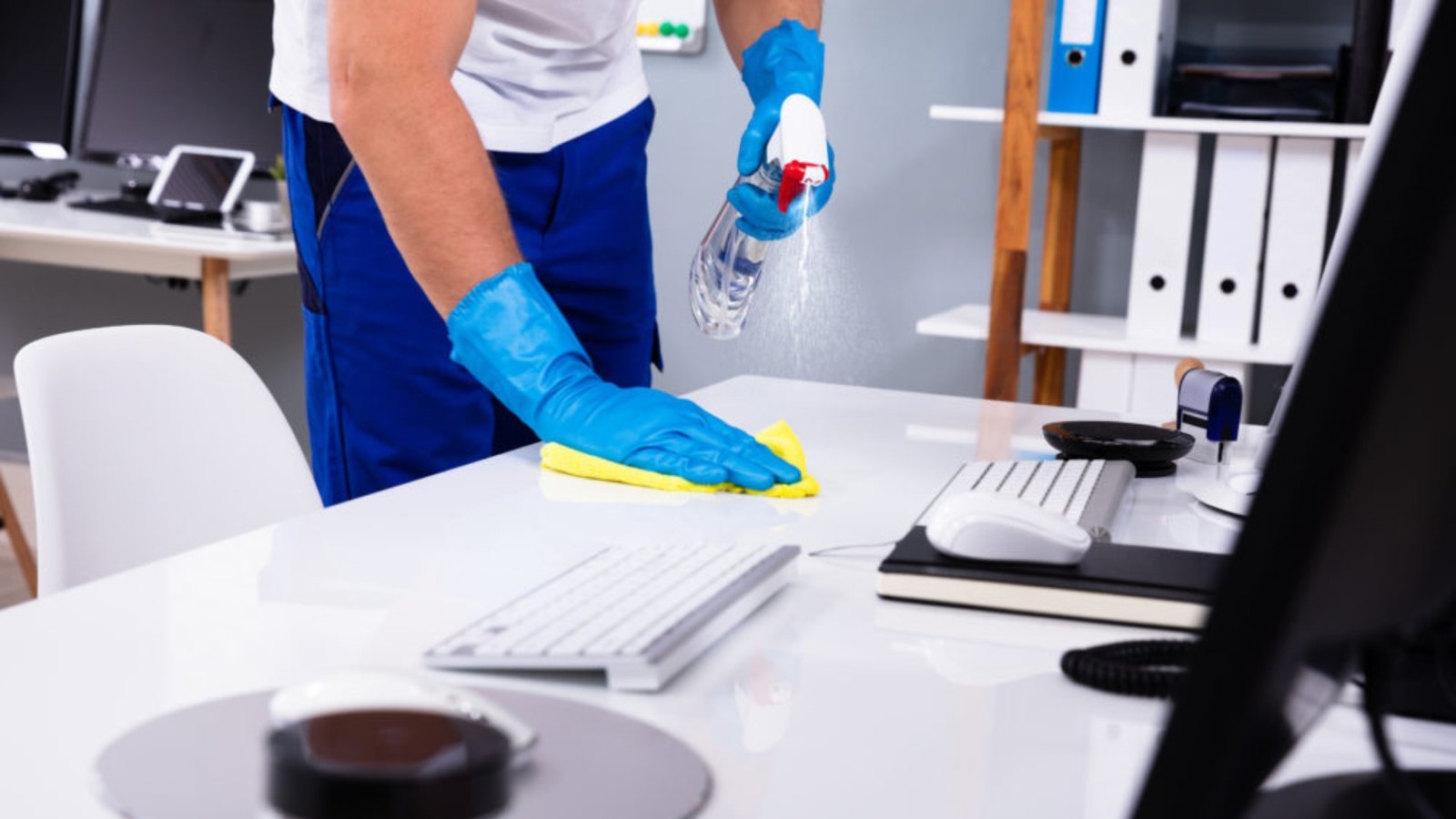
- Door handles, light switches, elevator buttons, shared equipment
- Regular disinfection (daily in high-traffic offices) reduces pathogen transmission
- Particularly critical during cold/flu season
- Post-pandemic, employees notice and value visible cleaning protocols
Restroom Sanitation:
- Clean, well-stocked restrooms reduce disease transmission
- Multiple daily cleanings in busy offices
- Proper sanitation prevents gastrointestinal illness outbreaks
- Employee comfort and dignity supported
Kitchen and Break Room Cleaning:
- Food preparation areas harbor bacteria
- Refrigerator cleaning prevents mold and food poisoning
- Coffee station and microwave sanitation
- Clean break rooms encourage healthy eating vs. eating at desks
Measurable Outcomes:
- Buildings with professional cleaning show 20-40% fewer sick days
- Reduced cold and flu transmission
- Fewer allergy and asthma symptoms from dust/allergen reduction
- Healthcare cost reductions for employers
Enhanced Focus and Concentration
Visual Cleanliness:
- Tidy workspaces reduce distraction
- Clean windows maximize natural light (proven productivity enhancer)
- Organized common areas reduce visual clutter
- Regular cleaning prevents accumulation requiring periodic disruption
Reduced Distraction:
- Overflowing trash, dirty surfaces, cluttered spaces create background stress
- Clean environment allows focus on work rather than environmental annoyances
- Predictable cleaning schedules (after hours) prevent workflow disruption
- Employees freed from personal cleaning responsibilities can focus on core work
Noise Reduction:
- Organized, clean offices tend to be quieter
- Clutter creates acoustic issues
- Professional cleaning during off-hours avoids daytime disruption
- Some cleaning (carpet cleaning, HVAC maintenance) reduces ongoing noise
Cognitive Performance:
- Measured improvements in attention span, error rates, and task completion
- Particularly impactful for detail-oriented work common in professional services
- Creative thinking benefits from organized, clean environments
- Decision quality improves in pleasant, clean spaces
Improved Collaboration and Culture
Meeting Space Quality:
- Clean, organized conference rooms facilitate better meetings
- Professional appearance supports serious discussion
- Comfortable environments encourage collaboration
- Post-meeting cleaning ensures rooms ready for next use
Common Area Appeal:
- Clean break rooms encourage employee interaction and relationship building
- Comfortable shared spaces support informal collaboration
- Kitchen cleanliness affects whether employees gather vs. isolating at desks
- Cultural cohesion strengthened by pleasant shared environments
Professional Pride:
- Employees take pride in well-maintained offices
- Clean environment signals company success and professionalism
- Supports positive company culture and identity
- Particularly important for client-facing Chesterbrook Woods businesses
Workplace Respect:
- Cleanliness demonstrates management respects employees
- Shows investment in employee wellbeing
- Creates reciprocal respect and engagement
- Cultural impact extends beyond physical cleanliness
Client and Visitor Impressions
First Impressions:
- Office appearance creates immediate impressions of professionalism and competence
- Clients judge business quality partly through office presentation
- Clean offices communicate attention to detail
- Critical for Chesterbrook Woods’ professional services and consulting firms
Client Confidence:
- Organized, clean environments inspire confidence in service quality
- If you can’t maintain your office, can you manage client projects?
- Physical space reflects (accurately or not) on business capabilities
- Competitive advantage in client acquisition and retention
Recruiting Advantage:
- Top candidates assess offices during interviews
- Office environment factors into employment decisions
- Clean, professional spaces attract better talent
- Particularly relevant in competitive Northern Virginia talent market
Business Development:
- Client meetings in clean, impressive offices enhance relationships
- Comfortable environments facilitate productive client interactions
- Professional appearance supports premium pricing
- Office quality impacts referral likelihood
Operational Efficiency
Asset Protection:
- Regular cleaning extends life of carpets, furniture, equipment
- Preventive maintenance cheaper than replacement
- Clean HVAC systems operate more efficiently (energy savings)
- Proper care protects significant capital investments
Reduced Maintenance Emergencies:
- Regular cleaning identifies issues early (leaks, damage, wear)
- Preventive approach vs. reactive crisis management
- Less operational disruption from unexpected maintenance
- Professional cleaners often notice and report maintenance needs
Inventory and Organization:
- Regular cleaning includes organizing and tidying
- Reduces time wasted searching for supplies or materials
- Maintains systems preventing chaos accumulation
- Supports overall operational efficiency
Space Optimization:
- Clean, organized offices use space more effectively
- Clutter-free environments feel larger and more functional
- Better space utilization may delay need for expansion
- Organized storage systems maintained through regular cleaning
The Business Case: Quantifying ROI
Translating productivity benefits into financial terms justifies cleaning investments.
Cost-Benefit Analysis for Typical Chesterbrook Woods Office
Baseline Scenario:
- 10-employee office
- Average salary: $75,000 (conservative for Northern Virginia)
- Professional cleaning: $250/month = $3,000/year
- Current sick days: 5 per employee/year = 50 total
Conservative Productivity Improvements:
- 10% reduction in sick days (5 prevented annually)
- 2% improvement in productivity from better focus/environment
- 5% reduction in turnover (0.5 fewer replacements over 3 years)
Calculated Benefits:
Sick Day Reduction:
- 5 prevented sick days x $290/day (daily salary) = $1,450/year
Productivity Improvement:
- 2% improvement across $750,000 payroll = $15,000/year
- Conservative estimate accounting for improved focus, reduced distractions, better air quality
Turnover Reduction:
- 0.5 fewer replacements over 3 years x $60,000 replacement cost (80% of salary)
- Annual equivalent: $10,000/year
Total Annual Benefit: $26,450 Annual Cost: $3,000 ROI: 782%
Even with Very Conservative Estimates:
- Just 1% productivity improvement = $7,500
- Just 3 prevented sick days = $870
- Total: $8,370 benefit vs. $3,000 cost = 179% ROI
The Compounding Effect
Year-Over-Year Benefits:
- Productivity improvements compound
- Retained employees become more valuable (experience, institutional knowledge)
- Reduced sick days accumulate to substantial time savings
- Client relationships strengthen in professional environment
- Recruiting becomes easier with positive employer reputation
Long-Term Asset Protection:
- Avoided carpet replacement: $5,000-15,000 every 7-10 years
- Extended furniture life: $20,000-50,000 over time
- HVAC efficiency and longevity: Thousands in energy and repair savings
- These capital expense deferrals significantly enhance overall ROI
Intangible Benefits:
- Employee morale and engagement (difficult to quantify but valuable)
- Enhanced company reputation
- Competitive recruiting advantage
- Stronger client relationships and business development
Industry-Specific Impacts
Professional Services (Law, Consulting, Accounting):
- Client impressions critical—office cleanliness directly impacts business development
- Knowledge work highly sensitive to cognitive environment factors
- Billable hour productivity improvements directly increase revenue
- Professional image supports premium pricing
Technology Companies:
- Attract top talent in competitive market
- Creative environments benefit from organized, clean spaces
- Collaboration spaces critical for agile development—cleanliness supports teamwork
- Health and wellness valued by tech workforce
Medical and Healthcare:
- Sanitation critical for regulatory compliance and patient safety
- Professional appearance essential for patient trust
- Infection control reduces liability and maintains reputation
- Clean environments support healing and care quality
Financial Services:
- Trust and professionalism conveyed through office presentation
- Regulatory environments demand organized, professional operations
- Client confidence affected by office quality
- Detail-oriented work benefits from distraction-free environments
What “Regular Office Cleaning” Actually Means
Understanding comprehensive professional cleaning vs. minimal efforts clarifies value proposition.
Daily Cleaning Services
High-Traffic Area Focus:
- Reception and lobby areas
- Restrooms (multiple times daily in busy offices)
- Break rooms and kitchens
- Conference rooms after meetings
- High-touch surface disinfection
Tasks:
- Empty all trash and recycling
- Vacuum high-traffic floor areas
- Restroom sanitization and restocking
- Kitchen/break room cleaning and organization
- Wipe down shared surfaces
- Spot-clean as needed
Why Daily Matters:
- Prevents accumulation requiring intensive periodic cleaning
- Maintains consistently professional appearance
- Reduces illness transmission through regular disinfection
- Supports employee wellbeing through constant cleanliness
Weekly Deep Cleaning
Comprehensive Coverage:
- All office areas including less-trafficked spaces
- Thorough vacuuming and floor care
- Detailed dusting and surface cleaning
- Window and glass cleaning
- Detailed restroom and kitchen deep cleaning
Tasks:
- Dust all surfaces including high areas, blinds, fixtures
- Vacuum all carpeted areas thoroughly
- Mop hard floors
- Clean interior windows and glass doors
- Wipe down all furniture, equipment exteriors
- Clean baseboards, vents, and often-overlooked areas
- Detailed break room and restroom cleaning beyond daily service
Why Weekly Matters:
- Addresses what daily cleaning doesn’t cover
- Maintains deep cleanliness preventing gradual deterioration
- Protects assets through proper care
- Ensures entire office receives regular attention
Monthly or Quarterly Services
Intensive Maintenance:
- Carpet deep cleaning/extraction
- HVAC filter changes and vent cleaning
- Light fixture cleaning
- Detailed furniture cleaning
- Floor stripping and waxing (if applicable)
- Window exterior cleaning
Why Periodic Deep Services Matter:
- Removes embedded dirt regular cleaning can’t reach
- Maintains appearance and extends asset life
- Addresses accumulation despite regular cleaning
- Keeps office looking and functioning optimally
The Professional Difference
Professional Cleaning vs. Employee Self-Cleaning:
Professional Services Include:
- Trained staff with proper techniques
- Commercial-grade equipment (vacuums with HEPA filtration, proper floor care equipment)
- Professional products more effective than consumer versions
- Systematic approaches ensuring thorough coverage
- Liability insurance protecting your business
- Consistent scheduling and quality
Employee Self-Cleaning Problems:
- Distracts from core work responsibilities
- Inconsistent execution and quality
- Lack of proper equipment and products
- No accountability or quality standards
- Creates resentment and cultural issues
- Ultimately more expensive (employee time costs more than professional services)
The Mathematics:
- Employee at $75K salary costs ~$36/hour all-in
- Even 2 hours weekly of employee cleaning time = $3,744/year
- Professional service costs less while delivering superior results
- Employees focused on work instead of cleaning generates additional productivity
Selecting Professional Cleaning Services for Chesterbrook Woods Offices
Choosing the right cleaning partner maximizes productivity benefits.
Key Selection Criteria
Experience with Commercial Offices:
- Understand professional office needs vs. residential cleaning
- Experience with various office types and sizes
- References from similar Chesterbrook Woods or McLean businesses
Service Flexibility:
- After-hours cleaning preventing workflow disruption
- Ability to scale services as business grows
- Accommodation of special events or needs
- Responsive to changing requirements
Quality Assurance:
- Systematic inspection and quality control
- Training programs for cleaning staff
- Supervision ensuring consistency
- Responsive to feedback and concerns
Insurance and Reliability:
- General liability insurance protecting your business
- Worker’s compensation coverage
- Background-checked, vetted staff
- Consistent team preventing disruption and security concerns
Products and Methods:
- Green/eco-friendly options if important to your company values
- Proper disinfection protocols (particularly post-pandemic)
- Appropriate products for your specific surfaces and finishes
- HEPA filtration vacuums for air quality
Service Specifications to Discuss
Scope of Services:
- Exactly what’s included in daily, weekly, monthly services
- Which areas are cleaned and how frequently
- Special requests or focus areas
- What’s not included (understanding boundaries prevents disappointment)
Scheduling:
- Cleaning hours and frequency
- Coordination with your business operations
- Holiday and special circumstance policies
- How to request additional services
Communication:
- Point of contact for issues or requests
- Inspection and quality assurance procedures
- How feedback is handled
- Emergency or urgent request processes
Pricing and Terms:
- Clear pricing structure
- Contract terms and flexibility
- Invoicing and payment arrangements
- Price adjustment policies
Questions to Ask Prospective Cleaning Services
- How long have you been providing commercial office cleaning?
- Do you have experience with offices similar to ours (size, type, industry)?
- Can you provide references from Chesterbrook Woods or McLean area businesses?
- What training do your cleaning staff receive?
- Are you insured and bonded? Can you provide certificates?
- What cleaning products and equipment do you use?
- Do you offer green/eco-friendly cleaning options?
- What quality control and inspection processes do you have?
- How do you handle feedback or concerns about cleaning quality?
- What are your security protocols (background checks, access control)?
- Can you accommodate our schedule and specific needs?
- What’s included in your standard service vs. additional services?
- How is pricing structured and what are the contract terms?
- What happens if we’re not satisfied with service quality?
- How do you ensure consistency across your cleaning teams?
Maximizing Productivity Benefits from Office Cleaning
Getting full value from cleaning investments requires strategic approach.
Complementing Professional Cleaning
Employee Responsibilities:
- Personal desk organization and tidying
- Putting away materials at day’s end
- Keeping shared spaces organized
- Respecting cleaning efforts by not creating unnecessary mess
- Reporting maintenance issues or cleaning needs
Management Support:
- Clear expectations around workspace maintenance
- Modeling good practices (leadership keeping offices tidy)
- Recognizing and appreciating cleaning staff
- Providing feedback to cleaning service ensuring quality
- Adequate storage and organizational systems
Organizational Systems:
- Proper filing and document management
- Supply organization and inventory systems
- Clear labeling and designated spaces
- Regular decluttering and purging
- Digital document management reducing paper clutter
Leveraging Clean Environment for Culture
Visible Commitment:
- Communicate investment in professional cleaning as employee wellness initiative
- Recognize connection between environment and performance
- Include office quality in company culture messaging
- Show employees you value their work environment
Employee Engagement:
- Solicit feedback on cleaning quality and needs
- Involve employees in office organization and layout decisions
- Celebrate office appearance during client visits or events
- Create pride in workplace environment
Health and Wellness Integration:
- Position cleaning as part of comprehensive wellness program
- Communicate during flu season or health concerns
- Highlight air quality and sanitation efforts
- Connect to sick leave policies and health benefits
Measuring and Demonstrating Impact
Track Relevant Metrics:
- Sick day trends before and after cleaning improvements
- Employee satisfaction survey results regarding workplace environment
- Client feedback mentioning office appearance
- Recruiting success rates and candidate feedback
- Turnover rates among similar employers
Calculate ROI:
- Document costs of professional cleaning
- Track measurable benefits (sick days, turnover, etc.)
- Present business case internally justifying investment
- Use data to make cleaning service decisions
Continuous Improvement:
- Regular evaluation of cleaning quality and needs
- Adjust service levels based on business changes
- Address emerging issues promptly
- Maintain partnership with cleaning service ensuring excellence
Common Objections and Responses
Addressing typical concerns about professional cleaning investments.
“We Can’t Afford Professional Cleaning”
Response:
- Can you afford NOT to clean professionally?
- Calculate cost of employee time if they’re cleaning (almost certainly higher)
- Quantify costs of sick days, turnover, poor client impressions
- Professional cleaning likely costs less than current hidden costs
- Start with essential services and add as budget allows
- ROI typically exceeds most business investments
“Employees Can Clean Their Own Spaces”
Response:
- Distracts from core work—are you hiring accountants or janitors?
- Creates resentment and cultural issues
- Inconsistent quality and thoroughness
- Lacks proper equipment and training
- Some areas (restrooms, kitchens) require professional sanitation
- Consider whether partner-track professionals should be cleaning toilets
“Our Office Isn’t That Dirty”
Response:
- Gradual accumulation becomes invisible to daily occupants
- Professional perspective often reveals issues you’ve normalized
- Even “not that dirty” is dirtier than professionally cleaned
- Productivity benefits don’t require visible filth—subtle improvements matter
- Preventive cleaning easier and cheaper than addressing neglected offices
“Cleaning Seems Like Non-Essential Expense”
Response:
- Would you consider office rent non-essential? Computers? Internet?
- Physical environment fundamentally affects productivity and wellbeing
- Measurable impacts on sick days, focus, retention, client impressions
- Small investment with disproportionate returns
- Successful companies view workplace environment as strategic asset
The Competitive Advantage of Clean Offices
In competitive Northern Virginia business environment, every advantage matters.
Talent Attraction and Retention
Recruiting:
- Office quality influences candidate decisions
- Signals company success and professionalism
- Demonstrates employee care and company culture
- Competitive advantage in tight talent market
Retention:
- Pleasant work environment increases job satisfaction
- Reduces turnover in industry where replacement costs are substantial
- Shows ongoing investment in employee wellbeing
- Small factor that contributes to overall retention strategy
Client Relationships
Professional Image:
- Office appearance affects client perceptions of competence
- Clean, organized offices inspire confidence
- Reflects attention to detail extending to client work
- Supports premium pricing and positioning
Business Development:
- Comfortable environments facilitate client meetings
- First impressions matter in new business development
- Office quality factors into referral decisions
- Investment in appearance pays dividends in client relationships
Operational Excellence
Efficiency:
- Clean, organized offices operate more smoothly
- Reduces time wasted searching for materials
- Supports systematic approaches and best practices
- Physical environment reflects operational culture
Asset Management:
- Protects capital investments in office improvements
- Extends useful life of furnishings and equipment
- Prevents costly replacements and repairs
- Demonstrates good stewardship of business resources
Professional Office Cleaning for Chesterbrook Woods Businesses
Clockwork Cleaning VA provides comprehensive commercial cleaning services specifically designed for Chesterbrook Woods’ professional business community, understanding that your office environment directly impacts the productivity, health, and performance driving your competitive success. Our experienced team delivers systematic daily, weekly, and periodic cleaning ensuring consistent excellence, flexible after-hours scheduling preventing disruption to your operations, trained, background-checked staff you can trust in your workspace, and customized service plans matching your specific office size, industry, and needs. Whether you operate a professional services firm where client impressions are critical, a technology company competing for top talent, a medical practice where sanitation is paramount, or any business recognizing the connection between workplace environment and organizational performance, our Regular Office Cleaning in Chesterbrook Woods services deliver the consistent quality your productivity goals demand. The investment in professional cleaning delivers measurable returns through reduced sick days, enhanced focus and concentration, improved employee satisfaction and retention, stronger client relationships, and protected capital assets—outcomes far exceeding the modest cost. Contact us today to discuss how professional office cleaning can become a strategic advantage for your Chesterbrook Woods business, ensuring your workplace environment supports rather than undermines the excellence your competitive position requires.