

How New Construction Homes in Cambria Cove Benefit from Post-Build Deep Cleaning
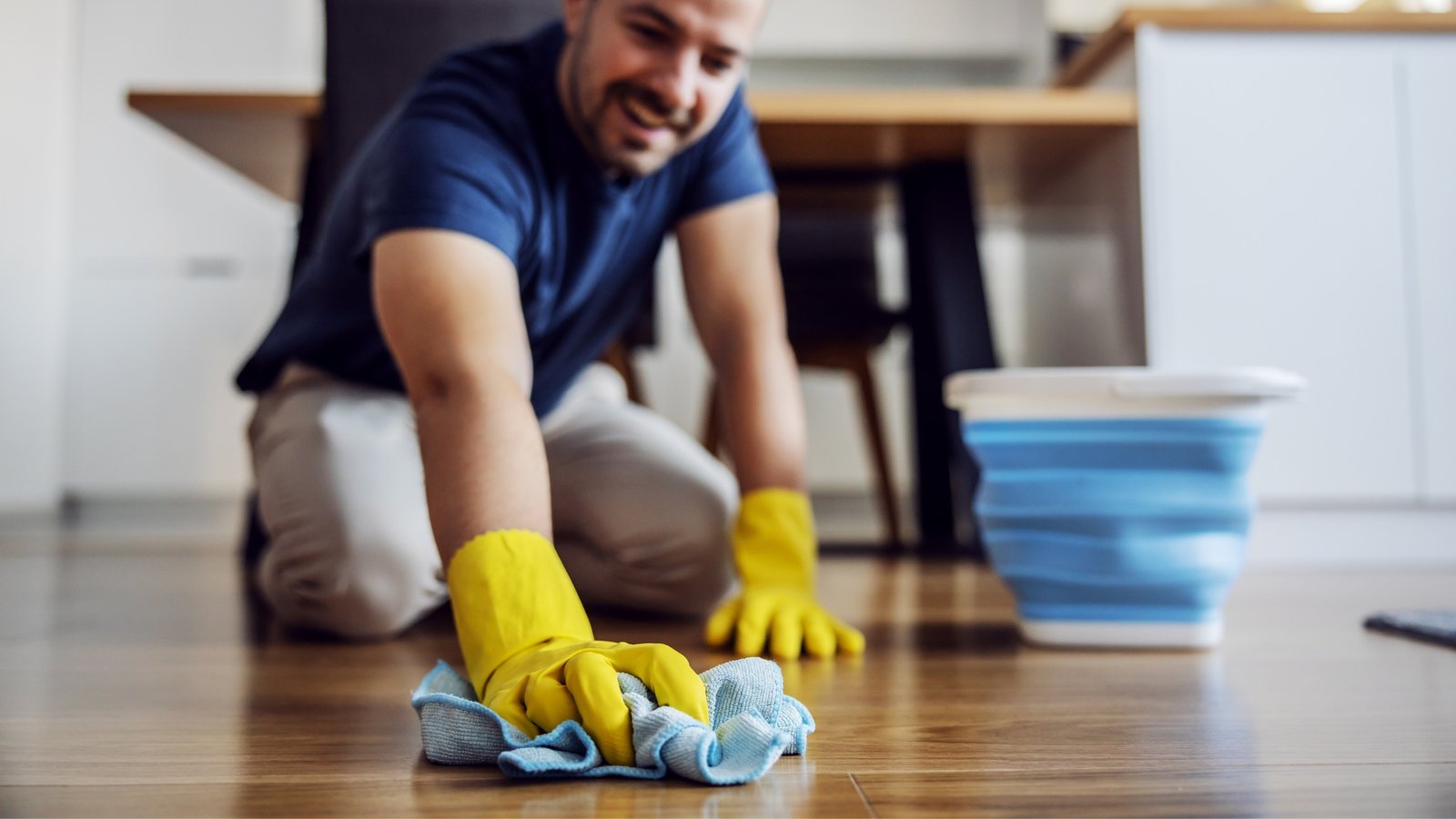
There’s a specific kind of excitement that comes with taking possession of a newly built home. Everything is fresh, untouched, and exactly as you specified during the build process. The floors haven’t been walked on. The appliances have never been used. The paint is barely dry. It looks, by every visible measure, like the cleanest home you’ve ever been in.
And then you move in, turn on the HVAC system for the first time, and watch fine white dust settle across every horizontal surface in the house.
That moment — experienced by a significant number of new construction homeowners in Cambria Cove — is the clearest illustration of a reality that the new home building process doesn’t advertise: a home that looks move-in ready is rarely actually move-in clean. The construction process that produces a beautiful finished home also produces a specific category of contamination — construction dust, adhesive residue, grout haze, paint overspray, and debris from every trade that worked in the space — that settles into every area of the home during the build and remains there until it’s systematically addressed.
Post-build deep cleaning is the solution to that problem. For Cambria Cove homeowners moving into newly constructed properties, understanding what this service covers, why it matters, and how to approach it is one of the most practical things you can do before your first night in your new home.
What Is Post-Build Deep Cleaning and Why Do New Cambria Cove Homes Need It?
Post-build deep cleaning is a comprehensive, construction-specific cleaning service performed after the building process is complete and before or immediately after a new home is occupied. It addresses the unique contamination left by construction activity — including fine drywall and sawdust throughout the home’s interior, adhesive residue on surfaces and fixtures, grout haze on tile installations, paint overspray on hardware and glass, and debris in vents and mechanical systems — that standard cleaning products and techniques cannot adequately address. New construction homes in Cambria Cove require this service regardless of how clean they appear visually, because construction contamination is largely invisible until it becomes a functional or air quality problem after occupancy begins.
Why Cambria Cove New Construction Specifically Benefits from Post-Build Cleaning
Cambria Cove is an active new development community in Chesterfield County, with construction activity that brings the full range of residential building trades through each property during the build process. Framing, drywall installation, electrical and plumbing rough-in, insulation, HVAC installation, tile work, cabinetry, flooring, painting, and finish carpentry all occur in a relatively compressed timeline — and each trade contributes its own category of residue, dust, and debris to the home’s interior.
The construction cleaning that builders typically provide before handing over keys — often called a “builder’s clean” or “post-construction clean” in the building industry — is almost always a surface-level pass designed to make the home presentable for the handover walkthrough. It is not, by the standards of a genuine post-build deep clean, a comprehensive preparation of the home for occupancy. It addresses visible surfaces. It doesn’t systematically address the construction contamination that has settled into vents, cabinets, fixture housings, grout lines, and the dozens of areas that require specific tools and techniques to properly clean.
This gap between the builder’s clean and a genuine post-build deep clean is what creates the dust-settling-from-vents experience that so many new construction homeowners encounter. The home looked clean at handover. The HVAC system started circulating, and suddenly it wasn’t.
For Cambria Cove homeowners taking possession of newly built homes, a professional post-build deep clean is the bridge between a construction-complete property and a genuinely occupancy-ready one.
What the Construction Process Leaves Behind
Understanding the specific types of construction contamination present in a newly built Cambria Cove home helps frame why a post-build deep clean requires different techniques and products than standard residential cleaning.
Drywall Dust: The Most Pervasive Construction Contaminant
Drywall installation and finishing — the process of hanging drywall panels, taping joints, applying and sanding joint compound — produces extraordinarily fine dust that becomes airborne during sanding and settles across every horizontal surface in the home. Unlike household dust, which is a mixture of fibers, skin cells, and particulate matter, drywall dust is primarily calcium sulfate — a fine mineral powder that settles into every crevice, coats every surface, and, critically, enters the HVAC ductwork during the build process before any filtration is in place.
When the HVAC system runs for the first time in a newly completed home, it distributes whatever construction dust settled in the ductwork throughout every room simultaneously. This is not a malfunction or a quality defect — it’s the predictable result of construction physics. The solution is addressing the dust before occupancy through a combination of duct cleaning and systematic surface cleaning, not waiting to see how much settles after move-in.
Drywall dust also has a specific interaction with moisture that household dust doesn’t. When it gets wet — during cleaning, or from humidity — it becomes tacky and harder to remove than dry dust. Post-build cleaning techniques that account for this property produce better results than standard household cleaning approaches applied to construction dust.
Sawdust and Wood Debris
Finish carpentry — installing trim, baseboards, door casings, window stools, and cabinetry — involves cutting wood inside the home and generates sawdust that settles into flooring joints, accumulates in cabinet interiors, and deposits on surfaces throughout the rooms where work was performed. In homes with detailed millwork, which is common in Cambria Cove’s newer construction, the volume of sawdust generated by finish carpentry can be significant.
Cabinet interiors are particularly affected — sawdust from cabinet installation settles inside cabinet boxes and drawers, where it remains until specifically addressed. Placing dishes, cookware, or food items in cabinets that haven’t been cleaned after construction means contaminating those items with construction residue.
Adhesive Residue
Construction involves extensive use of adhesives — flooring adhesive, tile mastic, construction adhesive for trim and fixtures, protective film adhesive on appliances and fixtures, and label adhesive on every piece of hardware and equipment installed in the home. Removing the visible adhesive applications is part of the builder’s clean. Removing the residue left behind — the tacky film that remains after protective films are pulled, the adhesive transfer that occurs where materials contact surfaces, the overspray from aerosol adhesives used during installation — requires specific products and techniques that standard cleaning doesn’t address.
Adhesive residue on hard floors, particularly luxury vinyl plank and tile, is one of the most common complaints from new construction homeowners who didn’t receive a thorough post-build clean. It attracts dirt faster than the surrounding floor surface, creates visible patches as the floor ages, and in some cases can affect floor finish adhesion if refinishing is ever needed.
Grout Haze
Tile installation — flooring, bathroom tile, backsplashes — involves applying grout to fill the joints between tiles, then wiping away the excess. This process leaves a cloudy residue called grout haze on the tile surface that persists after the obvious grout is removed. Grout haze isn’t always visible in standard lighting conditions, but in direct or raking light it creates a dull, uneven appearance on tile surfaces that makes new tile installations look older and less premium than they are.
Removing grout haze requires specific grout haze remover products applied at the appropriate point in the grout curing process — it cannot be removed effectively with standard cleaning products once it has fully cured. New construction homeowners in Cambria Cove who notice cloudy tile surfaces in bathrooms or kitchens after move-in are frequently experiencing the result of grout haze that wasn’t fully addressed during the post-construction cleaning process.
Paint Overspray
Interior painting generates a fine aerosol mist — particularly from spray-applied finishes — that settles on surfaces throughout the home during the painting process. Paint overspray appears on hardware, glass, flooring adjacent to painted surfaces, and in areas where masking was imprecise or incomplete. It’s particularly common on window glass, light fixture hardware, plumbing fixtures, and flooring near walls.
Removing paint overspray requires appropriate solvents and techniques calibrated to the surface being cleaned — what removes paint from glass without scratching it is different from what’s appropriate for metal hardware or finished flooring. A professional post-build cleaning team brings the right products for each surface type.
Caulk and Sealant Residue
Caulking and sealant application is among the final construction tasks before a home is handed over, and it’s also one of the messiest in terms of residue. Caulk guns and sealant tools leave smears, fingerprints, and transfer marks on surfaces adjacent to application points — around tubs, sinks, windows, and wherever transitions between materials are sealed. These residues require specific attention and appropriate solvents to remove without damaging the adjacent surfaces.
The Complete Post-Build Deep Cleaning Scope for Cambria Cove Homes
A genuine post-build deep clean addresses every area of the home with construction-specific cleaning techniques — not a standard residential deep clean with a construction price tag. Here’s what a comprehensive post-build clean covers in a newly constructed Cambria Cove home.
HVAC and Ventilation Systems
Addressing HVAC contamination is the highest-priority task in any post-build deep clean because of its whole-home impact. This involves replacing the HVAC filter immediately — new construction filters absorb significant construction dust during the build and are rarely changed before handover — cleaning all supply and return vent covers, and ensuring the system can run without distributing construction dust throughout the home.
For homes with significant ductwork contamination — detectable by examining inside visible duct openings with a flashlight — professional duct cleaning may be warranted as an additional step beyond the standard post-build scope. This is worth discussing with both your builder and your cleaning provider during the post-build planning process.
Kitchens
Cabinetry — Interior and Exterior Every cabinet interior and drawer needs to be thoroughly cleaned before any dishes, cookware, or food items are placed inside. Sawdust, drywall dust, and adhesive residue from cabinet installation are standard findings in new construction cabinet interiors. Cabinet exterior fronts and hardware receive detailed cleaning to remove construction film, fingerprints, and adhesive residue from protective coverings.
Appliances New construction appliances arrive with protective films on exterior surfaces that leave adhesive residue when removed. Interior surfaces of the oven, refrigerator, and microwave should be cleaned before first use — not because they’ve been used and soiled, but because installation processes and the construction environment introduce dust and residue into appliance interiors during the build.
The oven interior in particular benefits from a pre-first-use clean. Construction dust inside the oven cavity creates odor and smoke when the oven is first used at temperature — an unpleasant introduction to a brand new appliance that a pre-occupancy deep clean prevents entirely.
Range Hood and Filter New construction range hoods often have construction dust inside the hood housing and filters that may be partially saturated from the construction environment. Cleaning the hood interior and filter — or confirming the filter is factory-fresh and clean — before first use ensures the ventilation system functions properly from the start.
Countertops and Backsplash Tile backsplash grout haze removal, countertop surface cleaning to address adhesive residue and construction film, and detailed cleaning of the caulk lines where countertops meet walls and backsplashes all require attention in a new construction kitchen.
Sink and Fixtures New plumbing fixtures arrive with installation residue, protective coatings, and the general construction environment’s dust accumulation on hardware surfaces. Detailed fixture cleaning including faucet handles, the area around drain openings, and the under-sink cabinet interior should be part of the kitchen post-build scope.
Bathrooms
Tile and Grout — Floors and Walls Grout haze removal from tile installations is a primary bathroom task in any new construction clean. Every tiled surface — shower walls, tub surrounds, floor tile, and any decorative tile — should be evaluated for grout haze and addressed with appropriate products before the bathroom is used.
Grout lines themselves should be inspected for any caulk or grout overspray and cleaned systematically. New grout should not require heavy scrubbing — it’s the haze and residue from the installation process that requires attention, not embedded contamination.
Fixtures and Hardware Plumbing fixtures — faucets, showerheads, towel bars, toilet paper holders, and robe hooks — are installed with protective films and often have adhesive residue and installation marks that require specific cleaning attention. Chrome and brushed finishes are particularly susceptible to water marks from the construction environment and benefit from detailed polishing as part of the post-build clean.
Shower Glass and Door Hardware New shower glass enclosures often have installation film residue and hard water spots from construction water use that require specific treatment. Shower door hardware should be cleaned of any adhesive transfer from protective packaging and installation marks.
Toilet New toilets require cleaning of protective packaging residue, installation marks at the base and bolts, and any caulk or sealant overspray from the installation process. The toilet bowl itself should be cleaned and sanitized before first use.
Exhaust Fans New exhaust fans often have construction dust inside the housing from the installation process. The cover should be removed and the fan and housing cleaned before first use to ensure proper ventilation function.
Flooring Throughout the Home
Hard Flooring — Luxury Vinyl Plank, Tile, and Hardwood Post-build hard floor cleaning requires more than standard mopping. Adhesive residue at seams and edges, construction grit that has worked into surface texture, paint overspray near walls, and grout haze in tiled areas all require specific treatment before the floors are considered genuinely clean.
Hard floors should be swept or vacuumed thoroughly before any wet cleaning to avoid spreading construction grit that can scratch finishes. The cleaning solution used should be appropriate for the specific flooring type — what’s safe for luxury vinyl plank is not necessarily appropriate for hardwood, and using the wrong product on a brand new floor can affect the finish permanently.
Carpet New carpet in Cambria Cove homes should be vacuumed thoroughly before occupancy — construction dust and fine debris settle into carpet fibers during the build process and won’t be addressed by the builder’s surface cleaning. A professional post-build carpet vacuum with HEPA filtration captures the fine construction particulate that standard vacuuming recirculates rather than removes.
If the carpet shows any staining or soiling from the construction process, professional carpet cleaning before occupancy is worth considering as an additional service.
Windows Throughout the Home
Glass Surfaces Window glass in new construction homes accumulates paint overspray, adhesive residue from protective films, hard water spots from construction water exposure, and the general construction environment’s dust on interior surfaces. Every window in the home should receive detailed glass cleaning — inside surface, frame surfaces, and the seal areas where glass meets frame.
Window Tracks and Sills New construction window tracks contain construction debris, sawdust, and caulk residue from the installation process. Every window track and sill should be cleaned before occupancy — a task that requires specific tools to address the recessed track channels effectively.
Walls, Ceilings, and Trim
Baseboards and Door Casings Finish carpentry trim is one of the final elements installed in a new construction home and one of the surfaces most heavily affected by construction dust. Every baseboard and door casing should be wiped down to remove drywall dust, sawdust, and any paint overspray from the painting process.
Wall Surfaces New walls should be inspected for paint drips, caulk smears, and construction marks that weren’t addressed during the builder’s clean. Spot cleaning of wall surfaces — particularly in transition areas, around outlets, and near floor level — is part of a comprehensive post-build scope.
Light Fixtures and Ceiling Fans Installed light fixtures and ceiling fans accumulate construction dust in their housings and on blade surfaces during the build. Every fixture should be cleaned before first use — including interior globe surfaces on enclosed fixtures where dust has settled during installation.
Outlet and Switch Plates Every outlet cover and switch plate should be cleaned of installation marks, paint overspray, and construction film before occupancy.
Garage and Utility Spaces
The garage in a new Cambria Cove home accumulates construction debris throughout the build process — often serving as a staging area for materials, equipment, and trade workers throughout the project. Floor cleaning, wall surface cleaning, and addressing any construction debris in garage storage areas is part of a complete post-build scope.
Utility spaces — the area around the water heater, HVAC equipment, and any mechanical room — should be cleaned of construction debris and dust before the home is occupied.
The Health Case for Post-Build Deep Cleaning in New Homes
Beyond aesthetics, there are genuine health reasons why Cambria Cove families with young children, elderly occupants, or anyone managing respiratory conditions should prioritize professional post-build cleaning before moving in.
Construction dust — particularly drywall dust — is an irritant to respiratory systems and mucous membranes. Prolonged exposure to elevated levels of construction particulate in indoor air is associated with respiratory irritation, aggravated asthma and allergy symptoms, and general discomfort that new homeowners sometimes attribute to “new home smells” without recognizing the particulate component.
For households with children — whose respiratory systems are more sensitive than adults’ and who spend more time at floor level where construction dust concentrates — addressing construction particulate before occupancy begins is a meaningful health consideration, not simply a cleanliness preference.
Families moving into new Cambria Cove homes who prioritize new home cleaning before any occupant spends a night in the property are ensuring that the air quality and surface condition of their new home is genuinely clean from the first day — rather than spending the first weeks of occupancy in an environment that’s still distributing construction contamination.
Timing Your Post-Build Deep Clean for Maximum Effectiveness
The ideal timing for a post-build deep clean is after all construction work is completely finished and before any furniture, boxes, or personal belongings enter the home. An empty home allows every surface to be accessed, every floor area to be addressed, and every fixture and appliance to be cleaned without working around furnishings.
For Cambria Cove homeowners coordinating a post-build clean with their move-in timeline, the optimal sequence is to schedule the cleaning for the day after the final walkthrough and key handover — allowing at least 24 to 48 hours before the moving truck arrives. This gives cleaning products appropriate dwell and dry time, allows any cleaning-related odors to dissipate, and ensures the home is genuinely ready when your belongings arrive.
If the timing of construction completion makes pre-move-in cleaning difficult to schedule, the next best option is a thorough post-build clean before unpacking — with furniture positioned but boxes still packed, allowing floor areas and major surfaces to be addressed before the home is fully inhabited.
Construction dust cleaning is significantly more difficult to perform comprehensively in an occupied, furnished home than in an empty one. The investment in scheduling the clean before occupancy delivers meaningfully better results than attempting equivalent cleaning after the home is fully furnished and inhabited.
What to Expect from a Professional Post-Build Cleaning Company
Not every cleaning company is equipped to handle post-construction cleaning effectively. The products, techniques, and approach required for new construction cleaning differ meaningfully from standard residential cleaning, and homeowners evaluating providers should specifically assess construction cleaning experience rather than assuming general cleaning competence translates directly.
Ask specifically: Do you have experience with post-construction cleaning in new build homes? What products do you use for drywall dust, grout haze, and adhesive residue? How do you approach HVAC vents and the construction dust that settles in them? Can you provide references from new construction clients?
A provider with genuine post-build cleaning experience will answer these questions specifically and confidently. A provider attempting to apply standard residential deep cleaning techniques to a construction cleaning scope will often not fully address the specific contamination categories that make new construction cleaning different from standard residential work.
The time required for a genuine post-build deep clean also reflects the scope accurately. A comprehensive post-build clean of a 2,500 to 3,500 square foot Cambria Cove home — the range common in this development — typically takes a professional team of two to three people five to eight hours to complete properly. Providers quoting significantly shorter timeframes for comparable homes are either abbreviating the scope or have unrealistic expectations about construction cleaning timelines.
Builder’s Clean vs. Professional Post-Build Deep Clean: Understanding the Difference
This distinction comes up consistently for new construction homeowners, and it’s worth addressing directly. Most builders include some level of post-construction cleaning in the build contract — typically referenced as a “builder’s clean” or “final clean” — and homeowners sometimes assume this service covers everything needed before occupancy.
In practice, builder’s cleans vary significantly in scope and thoroughness. The better ones address visible surfaces throughout the home, remove obvious construction debris, clean windows and fixtures, and produce a property that presents well for the handover walkthrough. The less thorough ones are surface passes that address only the most visible items.
What virtually no builder’s clean includes: HVAC vent interior cleaning, cabinet interior cleaning, grout haze removal from tile installations, adhesive residue treatment on floors and surfaces, construction dust in exhaust fans and light fixture housings, or the systematic room-by-room approach that a professional post-build deep clean provides.
The builder’s clean is designed to make the home look ready for handover. Professional new build cleaning in Cambria Cove is designed to make the home genuinely ready for occupancy — and the gap between those two objectives is exactly what homeowners experience when they move into a home that looked clean and discovered it wasn’t.
Ready to Prepare Your Cambria Cove New Construction Home for Move-In?
Moving into a new home in Cambria Cove is one of the most significant life events most families experience. The investment you’ve made in your new home — in the build quality, the finishes, the location, and the community — deserves a start that honors that investment rather than one that begins with construction contamination gradually revealing itself over your first weeks of occupancy.
Clockwork Cleaning provides professional post-construction deep cleaning for new homes in Cambria Cove and throughout Chesterfield County, with the construction-specific expertise, products, and systematic approach that genuine post-build cleaning requires. Whether you’re scheduling your clean for the day after key handover or coordinating it around a tight move-in timeline, the process starts with a straightforward conversation about your home and what a genuinely thorough post-build clean should cover.
Reach out to Clockwork Cleaning today to schedule your Cambria Cove post-build deep clean — and start your new chapter in a home that’s truly ready for you.