

Managing Allergies and Mold: Cleaning Tips for Leigh Mill Corridor Residents
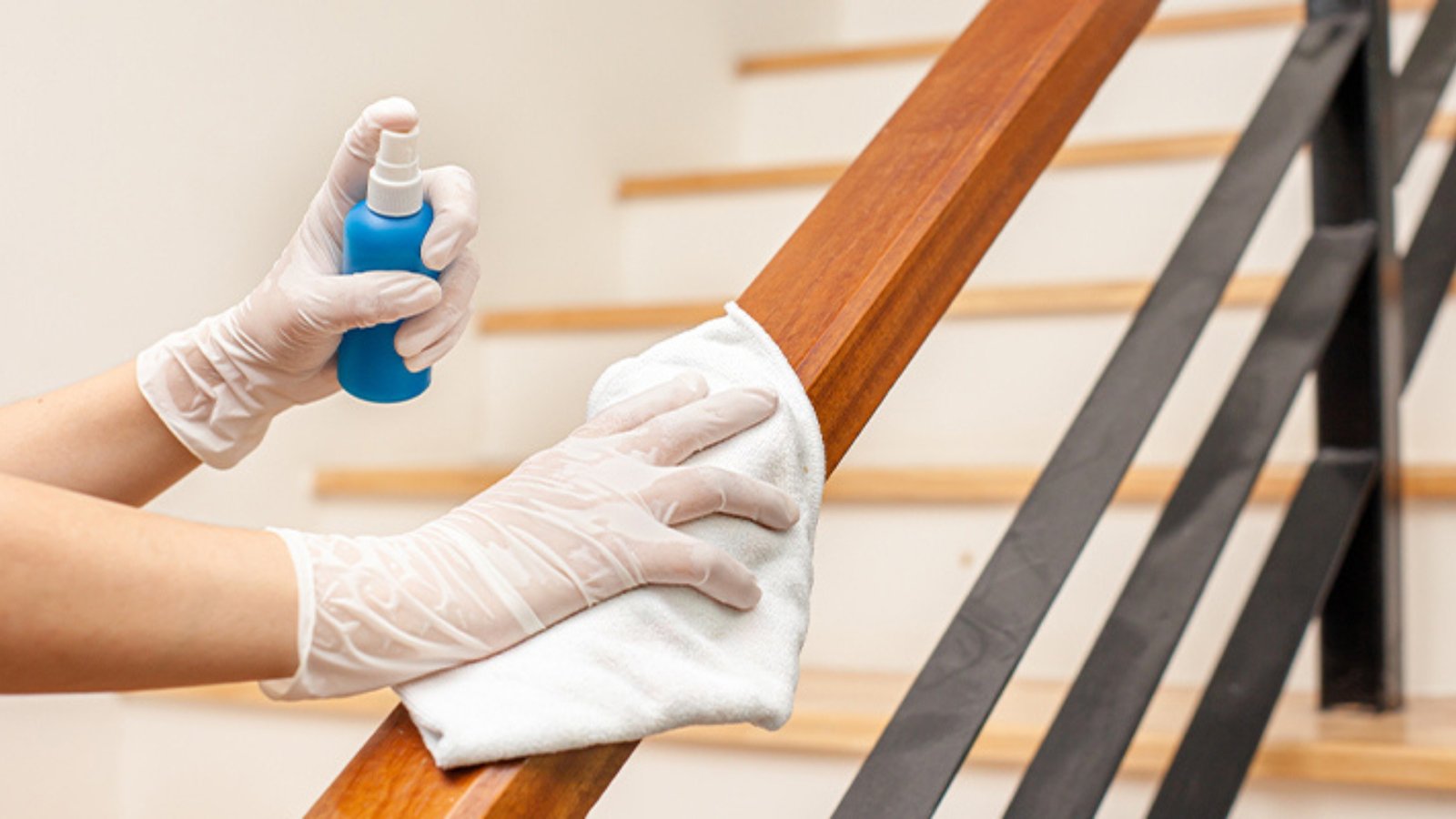
The Leigh Mill Corridor encompasses diverse neighborhoods along this major Chesterfield County thoroughfare, where residents enjoy convenient access to shopping, dining, schools, and employment centers throughout the Richmond area. However, this region’s climate—characterized by hot, humid summers, mild but damp winters, and significant seasonal pollen from Virginia’s abundant vegetation—creates environmental conditions that challenge allergy sufferers and promote mold growth in homes. Richmond consistently ranks among U.S. cities with the highest pollen counts, particularly during spring tree pollen season and fall ragweed blooms. The area’s humidity, averaging 60-70% year-round and often exceeding 80% during summer months, provides ideal conditions for dust mites, mold spores, and other allergens that thrive in moisture-rich environments. For the many Leigh Mill Corridor families dealing with allergies, asthma, or respiratory sensitivities, home environments either exacerbate symptoms or provide relief—the difference determined largely by cleaning practices, moisture control, and allergen reduction strategies. This comprehensive guide provides practical, actionable cleaning techniques specifically designed for Leigh Mill Corridor residents seeking to create healthier home environments that minimize allergy triggers and prevent mold growth despite the challenges Richmond’s climate presents.
Understanding Allergens and Mold in Leigh Mill Corridor Homes
Effective allergen and mold management begins with understanding what you’re fighting and why Leigh Mill Corridor’s environment creates particular challenges.
Common Indoor Allergens
Dust Mites: These microscopic creatures thrive in warm, humid environments, feeding on dead skin cells shed by humans and pets. They colonize bedding, upholstered furniture, carpets, and any fabric surfaces. Richmond’s humidity provides ideal conditions for dust mite populations, making them a primary allergen concern for area residents.
Mold Spores: Mold grows wherever moisture and organic material combine—bathrooms, basements, around windows with condensation, in HVAC systems, and anywhere water intrusion occurs. Mold releases spores into the air that trigger allergic reactions and respiratory symptoms. Richmond’s humidity means homes constantly battle moisture levels conducive to mold growth.
Pet Dander: Proteins in pet skin flakes, saliva, and urine trigger allergic reactions in sensitive individuals. Pet dander is lightweight and sticky, adhering to surfaces throughout homes and remaining airborne for extended periods.
Pollen: While primarily an outdoor allergen, pollen enters homes through open windows, on clothing and shoes, and via pet fur. It settles on surfaces throughout homes, continuing to trigger symptoms indoors. Richmond’s extended pollen seasons—tree pollen in spring, grass pollen in summer, and ragweed in fall—mean nearly year-round pollen exposure.
Cockroach Allergens: Cockroach droppings, saliva, and body parts contain allergens triggering asthma and allergic reactions. While less commonly discussed than other allergens, cockroach allergens represent significant concerns in some homes, particularly in older buildings or areas with pest issues.
Why Leigh Mill Corridor’s Climate Challenges Allergy Sufferers
High Humidity: Richmond’s year-round humidity promotes dust mite proliferation and mold growth. Indoor humidity above 50% creates ideal conditions for both—yet outdoor humidity frequently exceeds 70-80%, making indoor humidity control challenging without proper equipment and practices.
Extended Pollen Seasons: Virginia’s moderate climate means plants pollinate nearly nine months annually—trees in spring, grasses in summer, and weeds in fall. This extended exposure period gives allergy sufferers little relief between seasons.
Temperature Fluctuations: Richmond’s variable weather—hot summers requiring air conditioning, cool winters needing heat, and spring/fall swings between both—creates condensation on windows, walls, and HVAC components. This condensation promotes mold growth if not properly managed.
Older Housing Stock: Many Leigh Mill Corridor neighborhoods include homes built in the 1970s-1990s before modern moisture management and air quality standards. These older homes may have inadequate ventilation, outdated HVAC systems, and building envelope issues that exacerbate moisture and allergen problems.
Health Impacts of Poor Allergen Management
Uncontrolled allergen exposure causes symptoms ranging from mild annoyance to serious health impacts: nasal congestion, sneezing, and runny nose; itchy, watery eyes; coughing and throat irritation; asthma attacks and breathing difficulty; skin rashes and eczema flare-ups; fatigue and sleep disruption; and in severe cases, sinus infections and respiratory complications requiring medical treatment.
For Leigh Mill Corridor families with allergic members—particularly children, elderly residents, or those with asthma—effective home allergen management dramatically improves quality of life, reduces medication needs, and prevents serious health complications.
Foundation Strategy: Humidity Control
Managing indoor humidity represents the single most impactful action Leigh Mill Corridor residents can take for allergen and mold control.
Ideal Indoor Humidity Levels
Target indoor humidity of 30-50% year-round. This range inhibits dust mite reproduction (they require 50%+ humidity), prevents mold growth (most molds need 60%+ humidity), and maintains comfortable conditions for humans. However, achieving and maintaining these levels in Richmond’s humid climate requires active management.
Dehumidification Strategies
Whole-House Dehumidifiers: For serious humidity control, whole-house dehumidifiers integrated with HVAC systems provide the most effective solution. These systems automatically maintain desired humidity levels throughout your home, removing the moisture that supports allergens and mold.
Portable Dehumidifiers: For targeted moisture control in problem areas like basements, place appropriately sized portable dehumidifiers. Empty collection tanks regularly or use models with continuous drainage options. Run continuously during humid months, maintaining basement humidity below 50%.
Air Conditioning: AC systems remove moisture while cooling. Run AC during humid periods even if cooling isn’t necessary—the dehumidification benefits allergen control. Set to “auto” rather than “on” for fan settings, allowing coils to drain rather than re-evaporating moisture into your home.
Ventilation Strategies
Bathroom Ventilation: Run exhaust fans during showers and for 20-30 minutes afterward, removing moisture that otherwise settles on surfaces promoting mold. Ensure bathroom fans vent outdoors, not into attics where moisture causes problems.
Kitchen Ventilation: Use range hood exhaust during cooking, particularly when boiling water or cooking steamy foods. This prevents moisture from dispersing throughout your home.
Clothes Dryer Venting: Ensure dryers vent completely outdoors through properly maintained ductwork. Dryers expel enormous moisture—if venting improperly or leaking, this moisture enters your home creating ideal mold conditions.
General Home Ventilation: During dry weather periods (rare in Richmond but they occur), open windows to exchange indoor air and reduce humidity. However, avoid this during high pollen days or when outdoor humidity exceeds indoor levels.
Monitoring Humidity
Purchase inexpensive hygrometers (humidity meters) for various rooms, particularly bedrooms, bathrooms, and basements. Monitor regularly, taking action if humidity consistently exceeds 50%. This awareness allows you to adjust dehumidification efforts before moisture creates problems.
Targeted Cleaning Strategies for Allergen Reduction
With humidity controlled, specific cleaning techniques dramatically reduce allergen loads in Leigh Mill Corridor homes.
HEPA Filtration: The Gold Standard
High-Efficiency Particulate Air (HEPA) filtration captures 99.97% of particles as small as 0.3 microns—including pollen, mold spores, pet dander, and dust mite particles. Standard vacuum cleaners lacking HEPA filtration actually worsen indoor air quality by capturing larger particles while exhausting fine allergens back into the air.
HEPA Vacuums: Invest in quality HEPA vacuum cleaners for all floor cleaning. Vacuum high-traffic areas twice weekly and entire home weekly. Use vacuum attachments for upholstered furniture, mattresses, curtains, and other fabric surfaces that harbor allergens.
HEPA Air Purifiers: Place HEPA air purifiers in bedrooms and main living areas. Run continuously during allergy seasons or in homes with significant allergen issues. Choose appropriately sized units for your room dimensions—undersized purifiers can’t effectively clean the air.
HVAC HEPA Filters: Upgrade to HEPA or MERV 11-13 furnace filters. These capture far more allergens than standard fiberglass filters. Change quarterly or more frequently if you have pets or during high-pollen seasons. House Cleaning in Leigh Mill Corridor homes with allergy concerns should always prioritize high-quality HVAC filtration.
Dusting Techniques That Actually Work
Traditional dusting with feather dusters or dry cloths simply relocates dust and allergens rather than removing them—the particles become airborne, settle elsewhere, or get inhaled during cleaning.
Effective Dusting Methods:
- Use damp microfiber cloths that trap and hold dust rather than dispersing it
- Work from top to bottom so falling dust gets captured by lower cleaning
- Use microfiber mop pads on floors that capture allergen particles electrostatically
- Immediately wash used microfiber cloths rather than reusing them, which releases trapped allergens
- Vacuum upholstered furniture weekly using HEPA vacuum attachments
- Minimize horizontal surfaces that collect dust—fewer knick-knacks means less dust accumulation
Bedroom Allergen Control
You spend one-third of your life in your bedroom—making it the most important room for allergen control.
Bedding Management:
- Encase mattresses, box springs, and pillows in allergen-proof covers that prevent dust mites from colonizing these prime habitat locations
- Wash all bedding (sheets, pillowcases, blankets) weekly in hot water (130°F minimum) to kill dust mites
- Dry bedding completely—damp bedding promotes mold growth
- Replace pillows every 1-2 years as they accumulate dust mites over time regardless of washing
Bedroom Environment:
- Remove carpeting if possible, replacing with hard flooring that doesn’t harbor allergens
- If carpeting remains, vacuum twice weekly with HEPA vacuum
- Minimize upholstered furniture, curtains, and fabric items that collect allergens
- Keep pets out of bedrooms—their dander significantly increases bedroom allergen loads
- Use HEPA air purifiers continuously in bedrooms for maximum benefit
Bathroom Mold Prevention
Bathrooms’ constant moisture makes them prime mold growth locations requiring vigilant attention.
Daily Practices:
- Squeegee shower walls and doors after each use, removing water before it can promote mold
- Hang towels and bath mats to dry completely rather than leaving bunched on floors or hooks
- Run exhaust fans during and 20-30 minutes after showers
- Keep bathroom doors open when not in use to promote air circulation and drying
Weekly Cleaning:
- Clean all bathroom surfaces with mold-killing cleaners
- Pay special attention to grout, caulking, and corners where mold preferentially grows
- Check for and address any leaks from toilets, sinks, or tubs immediately
- Clean exhaust fan covers and vacuum fan housings to maintain proper ventilation
Mold Treatment:
- Address visible mold immediately with appropriate cleaners containing bleach or other mold-killing ingredients
- For persistent mold in grout or caulking, consider removing and replacing these materials
- If mold is extensive (covering more than a few square feet), consult mold remediation professionals
Kitchen Moisture and Allergen Management
Kitchens generate significant moisture and can harbor allergens requiring specific attention.
Practices:
- Use exhaust fans when cooking to remove steam and moisture
- Wipe down counters, backsplashes, and stove areas after cooking to remove food residues before they attract pests
- Check under sinks regularly for leaks that create mold-promoting moisture
- Clean refrigerator drip pans and door seals where mold can grow
- Store food properly in sealed containers preventing pest attraction
- Empty trash regularly to avoid attracting cockroaches
Flooring Considerations
Flooring choice dramatically impacts allergen management.
Best Options:
- Hard surface flooring (hardwood, tile, vinyl, laminate) doesn’t harbor allergens like carpet does and cleans more thoroughly
- If you have carpet, vacuum twice weekly with HEPA vacuums and deep-clean quarterly
- Use washable area rugs rather than wall-to-wall carpeting in high-traffic areas
- Mop hard floors weekly with damp mops, not just sweeping which stirs allergens airborne
Pet Management for Allergy Sufferers
For Leigh Mill Corridor families unwilling to rehome beloved pets despite allergies, these strategies minimize pet allergen exposure:
- Bathe pets weekly to reduce dander production
- Keep pets out of bedrooms entirely—this creates pet-free zones providing relief
- Vacuum all surfaces pets contact at least twice weekly
- Use HEPA air purifiers in rooms pets frequent
- Designate washable blankets for pets rather than allowing them on upholstered furniture
- Consider hardwood or tile flooring rather than carpet which traps pet dander
Seasonal Allergen Management for Richmond’s Climate
Leigh Mill Corridor residents face different allergen challenges across seasons, requiring adaptive strategies.
Spring (March-May): Tree Pollen Peak
Challenges: Tree pollen counts skyrocket during Richmond’s spring, with oak, pine, birch, and other trees releasing enormous pollen quantities.
Strategies:
- Keep windows closed during high pollen days despite pleasant weather
- Run HEPA air purifiers continuously
- Remove shoes at entry and change clothing after outdoor activities before sitting on furniture
- Shower before bed to remove pollen from hair and skin
- Wash bedding twice weekly during peak pollen season
- Vacuum more frequently—daily in high-traffic areas
- Check daily pollen counts at RichmondPollen.org or similar resources, limiting outdoor time on very high days
Summer (June-August): Humidity and Mold Peak
Challenges: Extreme humidity promotes dust mites and mold despite lower pollen counts.
Strategies:
- Run dehumidifiers and AC continuously maintaining indoor humidity below 50%
- Check basements, bathrooms, and other moisture-prone areas weekly for mold
- Ensure all ventilation systems function properly
- Address any water intrusion immediately—summer thunderstorms can cause leaks
- Clean AC drain pans and coils where mold commonly grows
- Monitor indoor humidity with hygrometers, adjusting dehumidification as needed
Fall (September-November): Ragweed and Mold
Challenges: Ragweed pollen peaks in September while outdoor mold spore counts remain high from decaying vegetation.
Strategies:
- Continue closed-window policies during high ragweed pollen days
- Maintain dehumidification as humidity remains elevated
- Be cautious with outdoor activities involving leaf piles where mold thrives
- Continue frequent vacuuming and air purifier use
- Address any summer moisture damage before it becomes established mold
Winter (December-February): Indoor Allergen Concentration
Challenges: Homes close up for heating, concentrating indoor allergens. Humidity may drop excessively from heating, then spike from inadequate ventilation.
Strategies:
- Continue regular HEPA vacuuming and dusting despite closed windows
- Run humidifiers if heating creates overly dry conditions (below 30% humidity)
- Change furnace filters monthly during heavy heating season use
- Clean heating vents and returns
- Maintain bathroom ventilation despite cold—moisture problems persist year-round
When DIY Isn’t Enough: Professional Help
Some allergen and mold situations exceed homeowner capabilities, requiring professional intervention.
Professional Duct Cleaning
If you haven’t had air ducts professionally cleaned in 5+ years, or if you see visible mold growth or excessive dust around vents, professional duct cleaning removes accumulated allergens, mold spores, and debris from your HVAC system. This one-time or periodic service (every 3-5 years) significantly improves air quality.
Mold Remediation
Mold covering more than a few square feet, mold in HVAC systems, or mold following significant water damage requires professional remediation. Attempting DIY cleanup of extensive mold can worsen problems by spreading spores and failing to address underlying moisture issues. Professional remediators have proper equipment, containment techniques, and expertise addressing serious mold problems.
Professional Allergen-Focused Cleaning
Residential Cleaning Services in Leigh Mill Corridor specializing in allergen reduction bring HEPA equipment, allergen-focused techniques, and expertise that dramatically improve home environments for allergy sufferers. Regular professional cleaning—bi-weekly or monthly—maintains allergen control that busy families struggle to achieve personally.
Professional cleaners understand techniques like damp mopping rather than dry sweeping, proper HEPA vacuuming patterns, and addressing often-missed allergen reservoirs like ceiling fans, baseboards, and air vents. For families with serious allergies, professional cleaning represents medical investment rather than luxury expense.
Allergy Testing and Medical Consultation
If home allergen control doesn’t adequately improve symptoms, consult allergists for testing identifying specific triggers. Knowing exactly what you’re allergic to allows targeted control strategies. Allergy shots (immunotherapy) can reduce sensitivity over time, complementing environmental control measures.
Creating an Allergen-Reduction Maintenance Schedule
Consistency matters more than occasional intensive efforts. Implement regular schedules maintaining allergen control:
Daily:
- Squeegee shower walls after use
- Run dehumidifiers/AC as needed maintaining proper humidity
- Remove shoes at entry
- Wipe kitchen counters after cooking
Twice Weekly:
- Vacuum all floors and upholstered furniture with HEPA vacuum
- Damp-mop hard floors
Weekly:
- Wash all bedding in hot water
- Dust all surfaces with damp microfiber cloths
- Clean bathrooms thoroughly
- Empty and clean dehumidifier tanks
Monthly:
- Change HVAC filters
- Deep-clean kitchen including appliances
- Wash curtains/window treatments
- Check for and address any mold growth
Quarterly:
- Deep-clean carpets with extraction or professional service
- Clean ceiling fans, light fixtures, and high surfaces
- Check and clean dryer venting
- Inspect basements and crawl spaces for moisture issues
Seasonally:
- Have HVAC systems professionally serviced
- Deep-clean air vents and returns
- Evaluate effectiveness of current allergen control measures
Special Considerations for Leigh Mill Corridor Homes
Older Home Challenges
Many Leigh Mill Corridor properties were built before modern moisture management standards. These homes may have:
- Poor attic or basement ventilation promoting mold
- Inadequate insulation causing condensation
- Old ductwork with leaks or contamination
- Insufficient bathroom ventilation
Addressing these structural issues may require investment beyond cleaning—professional assessment can identify problems and recommend solutions protecting both your investment and your family’s health.
Proximity to Commercial Areas
Homes near Leigh Mill Road’s commercial corridor may experience higher outdoor pollutant and allergen exposure from traffic and commercial activities. Enhanced indoor air filtration and closed-window policies become particularly important for these properties.
Water Table and Drainage Issues
Some Leigh Mill Corridor areas have high water tables or drainage challenges contributing to basement moisture. Addressing these through exterior drainage improvements, sump pumps, or professional waterproofing protects against mold and moisture problems that cleaning alone cannot solve.
Professional Cleaning for Allergy and Mold Management
Clockwork Cleaning VA provides specialized residential cleaning services focused on allergen reduction and mold prevention for Leigh Mill Corridor homes. Our team uses exclusively HEPA-filtered equipment, allergen-focused cleaning techniques, and proven protocols that dramatically reduce indoor allergen loads and prevent mold growth. We understand Richmond’s humid climate challenges and adapt our approaches to the specific conditions Leigh Mill Corridor residents face. Whether you need regular maintenance cleaning that maintains allergen control or intensive deep cleaning addressing accumulated allergens and mold, we customize services to your family’s specific sensitivities and your home’s unique challenges. Home Cleaning in Leigh Mill Corridor shouldn’t exacerbate allergies—it should provide relief. Contact us today to discuss how our allergen-focused cleaning services can help your family breathe easier and live more comfortably in your home.