

What Does a Deep Clean Include? A Breakdown for Centralia Homeowners
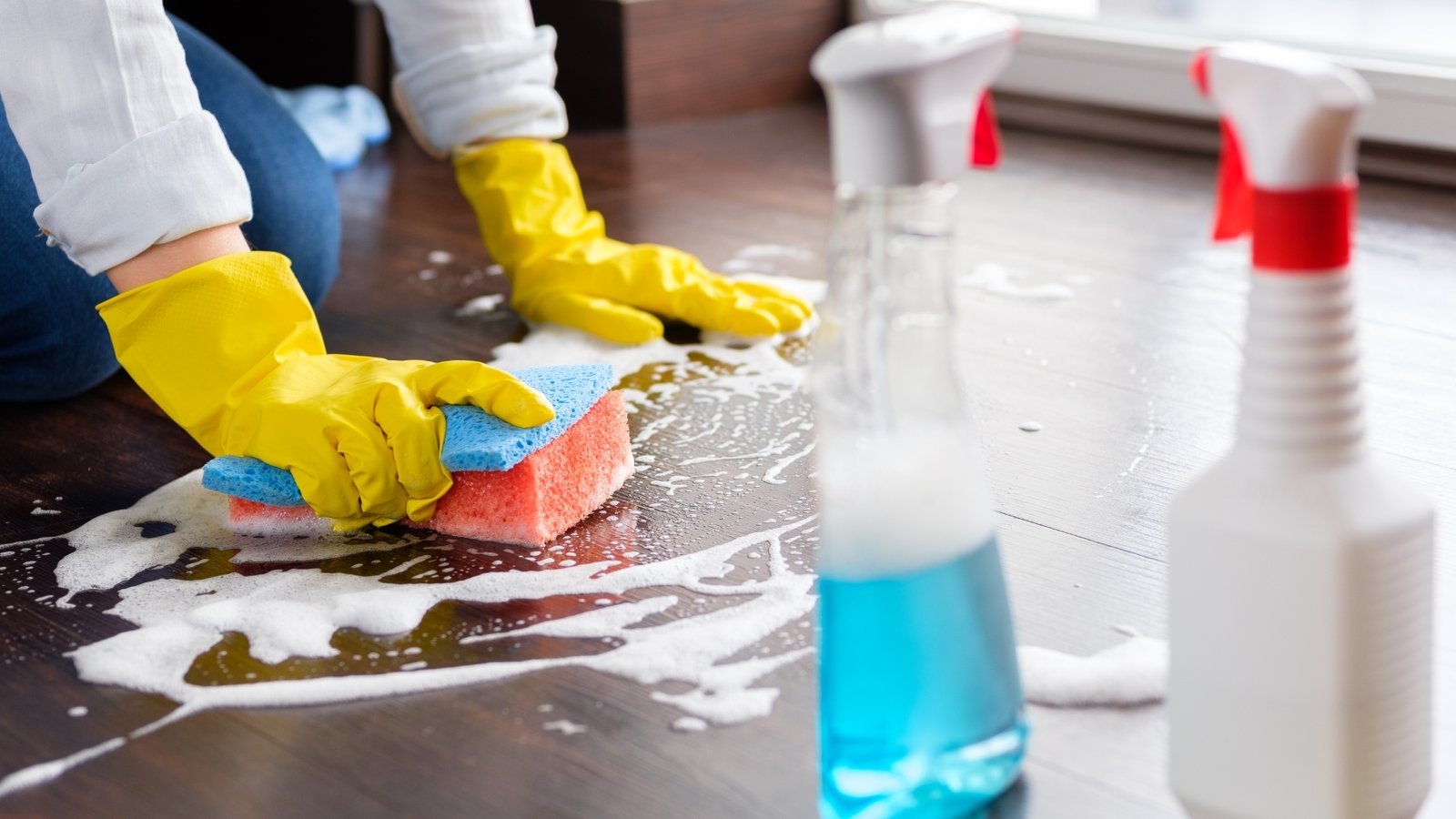
If you’ve ever searched for a deep cleaning service and found yourself more confused after reading the descriptions than before, you’re not experiencing a personal failure of research. The cleaning industry is genuinely inconsistent about what the term means. One company’s deep clean is another company’s standard clean with a different name attached to it. Some companies define it by time — a four-hour visit instead of two. Others define it by room count. A few don’t define it at all and rely on the customer’s imagination to fill in the gaps.
For Centralia homeowners trying to make an informed decision about whether to book a deep clean, which company to book it with, and what to expect when the team arrives, that inconsistency is a real problem. You can’t evaluate value without understanding scope, and you can’t set accurate expectations without knowing what’s actually going to happen in your home.
This guide solves that problem directly. It breaks down what a professional deep clean should include — room by room, area by area, task by task — with enough specificity that you can use it as a reference when evaluating any cleaning company you’re considering. By the end, you’ll know exactly what questions to ask, what answers to look for, and what a genuinely thorough deep clean looks like in a Centralia home.
What Does a Deep Clean Include?
A professional deep clean includes a comprehensive, top-to-bottom cleaning of every room in the home, covering both the high-use surfaces addressed in standard maintenance cleaning and the areas that routine cleaning never reaches — appliance interiors, grout lines, baseboards, ceiling fans, window tracks, vent covers, behind and beneath large furniture, and detailed fixture work in kitchens and bathrooms. A complete deep clean of a mid-sized home typically takes a professional team of two four to seven hours to complete properly.
Why a Detailed Breakdown Matters for Centralia Homeowners
Centralia is a well-established community in Chesterfield County with a residential profile that includes a range of home sizes, ages, and configurations. Many homes in the area feature the kind of detailed finishes — tile bathrooms, traditional trim work, finished lower levels, established kitchens — where the difference between surface maintenance and genuine deep cleaning shows up in particularly clear terms.
Grout in older tile bathrooms accumulates discoloration that standard cleaning never addresses. Kitchen range hoods in homes that see regular cooking build up grease over months until ventilation is meaningfully compromised. Baseboards in homes with detailed millwork collect dust in ways that smooth contemporary trim simply doesn’t. These are the specific areas where a deep clean earns its cost — and where a cleaning company that doesn’t actually address them is delivering something far less than what the name implies.
Understanding the complete scope of what a deep clean should include gives Centralia homeowners the ability to evaluate whether the service they’re considering will actually address the areas that matter most in their specific home — rather than discovering after the fact that a critical area was outside the scope of what was booked.
The Complete Deep Cleaning Breakdown: Room by Room
Kitchen: The Highest-Complexity Room in Any Deep Clean
The kitchen receives more intensive attention in a deep clean than any other room in the home, and for good reason. It’s the space that accumulates the widest variety of buildup — grease, food residue, hard water deposits, and bacterial contamination — across the most diverse range of surfaces and equipment.
Oven — Interior and Exterior
The oven interior is one of the defining tasks that separates a genuine deep clean from an enhanced standard clean. Baked-on grease and carbonized food residue accumulate on oven walls, the floor of the oven cavity, the interior door glass, and the racks themselves through normal cooking use. This buildup doesn’t just look and smell unpleasant — it affects cooking performance, creates smoke and odor when the oven runs at high temperatures, and in significant accumulations, presents a fire risk.
A proper deep clean of the oven includes the interior walls and floor, the interior glass on the oven door, and the oven racks — which should be removed, soaked, and scrubbed separately rather than cleaned in place. The exterior of the oven, including the door handle, control panel surround, and drawer face, should also receive detailed attention beyond what standard cleaning provides.
Refrigerator — Interior and Exterior
The refrigerator interior is another task that belongs exclusively to deep cleaning and is among the most impactful in terms of hygiene and odor management. Interior walls, the ceiling of the refrigerator cavity, and the door interiors accumulate food residue, spills, and bacterial growth over time — particularly in households where spills aren’t immediately addressed.
Every shelf and drawer should be removed and washed separately rather than wiped in place. The door gaskets — the rubber seals around the refrigerator and freezer doors — are among the most overlooked areas in any kitchen and accumulate mold and food residue in their folds that is essentially impossible to address without focused attention. Interior gasket cleaning is a specific indicator of thoroughness in a deep clean.
The exterior of the refrigerator, including the top surface where dust and grease collect, the door handles, and the coil area at the back or bottom depending on refrigerator model, should also receive attention.
Microwave — Interior and Exterior
Microwave interiors accumulate food splatter that bakes onto interior walls with every use and creates odor as well as bacterial growth over time. A deep clean addresses interior walls, the ceiling of the cavity, the turntable and turntable support, and the interior door surface. The exterior, including the control panel, handle, and top surface, receives the same detailed attention.
Range Hood and Filter
The range hood filter is one of the most consistently neglected components in any kitchen — and one of the most functionally important. Grease-saturated filters reduce ventilation efficiency significantly, meaning steam, smoke, and cooking odors that should be exhausted remain in the kitchen and spread through the home. A proper deep clean removes the filter, degreases it thoroughly — or recommends replacement if saturation is beyond cleaning — and addresses the hood interior and exterior surfaces including the fan housing.
Sink and Faucet
Deep cleaning addresses the sink basin with more thoroughness than standard cleaning — including the area around the drain, the underside of the faucet spout where mineral deposits accumulate, and the caulk or sealant line where the sink meets the countertop. Faucet handles and the base where the faucet meets the sink surface receive detailed attention for mineral buildup and residue.
Backsplash and Countertops
Grout lines on tile backsplashes accumulate grease and food residue in the porous material that cannot be addressed with surface wiping alone — hand scrubbing with appropriate grout cleaning solution is required. Countertop surfaces receive detailed attention including the back edges, the seams between countertop sections, and the area immediately adjacent to appliances where debris concentrates.
Cabinet Exteriors and Hardware
Cabinet door fronts and hardware accumulate grease film, fingerprints, and general kitchen residue that builds up over time. A deep clean addresses all cabinet exteriors systematically, including the tops of upper cabinets where grease and dust combine into a particularly stubborn layer of accumulation.
Cabinet Interiors
Interior cabinet and drawer cleaning is typically listed as an optional add-on in most deep cleaning scopes — available upon request at additional cost or included in comprehensive programs. Centralia homeowners who want interior cabinets addressed should confirm this is included when booking rather than assuming.
Behind and Beneath Large Appliances
The floor and wall surfaces behind the refrigerator and beneath the stove are accessible only when these appliances are moved — which almost never happens outside of a deep clean or appliance replacement. These areas accumulate grease, food debris, and dust in quantities that would be surprising to most homeowners. Addressing them before the appliances return to their permanent positions is one of the most meaningfully impactful tasks in a kitchen deep clean.
Bathrooms: The Room Guests Judge Most Carefully
Bathrooms require the most systematic and varied cleaning attention of any room in the home. The combination of moisture, soap products, hard water, and biological use creates a cleaning environment where multiple types of buildup accumulate simultaneously — and where the visual impact of inadequate cleaning is most immediately apparent to anyone entering the space.
Toilet — Complete
Standard cleaning addresses the toilet bowl interior, seat, lid, and accessible exterior surfaces. Deep cleaning extends this to the complete base of the toilet including the floor seal where residue and bacteria concentrate, the area behind the toilet that’s unreachable during routine cleaning, the exterior tank surfaces and hardware, and the bolt caps at the toilet base. Disinfection should cover all surfaces with appropriate product and dwell time rather than simply wiping.
Grout Lines — Tile Floors and Shower Walls
Grout is porous and accumulates soap scum, mildew, bacteria, and hard water mineral deposits over time in ways that surface wiping never addresses. Hand scrubbing of grout lines throughout the bathroom — tile floors, shower walls, and tub surround — is one of the defining tasks of a genuine bathroom deep clean. In Centralia homes with traditional tile bathrooms, this task frequently produces the most visually dramatic result of any single deep cleaning component.
The quality of grout cleaning depends heavily on the tools and products used. A professional team uses appropriate grout brushes, penetrating grout cleaners, and the physical effort that genuinely clean grout requires — rather than a spray-and-wipe approach that addresses surface film but not the embedded accumulation.
Shower Door Tracks and Glass
Sliding shower door tracks are among the most neglected surfaces in any bathroom and among the most visually apparent when they haven’t been properly cleaned. The metal channels at the base of sliding doors accumulate soap scum, hard water deposits, mold, and debris that requires specific tools and focused effort to address. Glass shower doors accumulate hard water mineral deposits that cloud the glass surface progressively — these require hard water treatment products and appropriate technique to remove without scratching.
Exhaust Fan
The exhaust fan cover accumulates dust that reduces ventilation effectiveness and presents a visible maintenance indicator to anyone who looks up. A deep clean removes the cover and cleans the fan blades, the housing, and the cover itself before reinstalling. Proper exhaust fan function matters particularly in Centralia bathrooms during the more humid warmer months, when ventilation is most important for mold prevention.
Under-Sink Cabinet Interior
The interior of under-sink bathroom cabinets should be cleared, cleaned, and inspected during a deep clean. These spaces frequently develop water staining from slow leaks, accumulated product residue, and general disorganization that makes them appear neglected even when the rest of the bathroom is well-maintained.
Caulk Lines
Caulk around the tub, shower base, and sink accumulates mold in the surface and within the caulk material itself over time. A deep clean addresses caulk lines with appropriate mold-treating products and a thorough clean. Significantly deteriorated or heavily molded caulk may require replacement rather than cleaning — a genuine issue worth identifying during a deep clean rather than leaving unaddressed.
Fixtures and Hardware
Faucet handles, towel bars, toilet paper holders, and other bathroom hardware accumulate soap scum, hard water deposits, and fingerprints in ways that detailed cleaning — rather than surface wiping — is required to properly address. Chrome and brushed nickel fixtures in particular show water marks and deposits clearly and benefit significantly from the focused attention a deep clean provides.
Bedrooms: Less Intensive but Equally Important
Bedrooms don’t generate the same complexity of buildup as kitchens and bathrooms, but they have specific areas that accumulate significantly between deep cleans and that standard maintenance cleaning rarely addresses.
Ceiling Fan Blades
Ceiling fan blades accumulate dust on their upper surfaces continuously and distribute it into the room air immediately when the fan is turned on. Standard cleaning doesn’t typically address ceiling fan blades — in many homes, they go entirely unaddressed for extended periods. A deep clean includes each blade individually, cleaned on both surfaces with appropriate tools that capture dust rather than dispersing it.
Baseboards and Door Frames
Baseboards are horizontal surfaces that collect dust, pet hair, and general debris continuously. Standard cleaning passes over them in favor of higher-priority surfaces. Deep cleaning addresses every baseboard and door frame in each bedroom systematically — wiped down thoroughly to remove accumulated dust and any marks or scuffs. In Centralia homes with detailed trim work, this makes a visible difference in the overall appearance of each room.
Window Tracks and Sills
Window tracks accumulate dead insects, outdoor debris, dust, and residue from condensation cycles that are essentially impossible to address without specific tools and focused effort. Every window in every bedroom should receive track cleaning as part of a comprehensive deep clean — and the difference in appearance and window functionality is immediately apparent afterward.
Behind and Beneath Furniture
The floor areas behind bedroom furniture — bed frames, dressers, nightstands — accumulate dust, pet hair, and debris continuously, becoming significant concentrations of allergens over time that standard cleaning never reaches. Moving furniture to address these areas is a defining characteristic of a genuine deep clean rather than an enhanced maintenance clean.
Mattress Surface
Mattresses are among the highest-concentration areas for dust mites and allergens in any home — surfaces that most people spend eight hours against daily but that almost never receive cleaning attention. A complete deep clean includes mattress vacuuming on accessible surfaces to address surface dust and dander. This is particularly valuable for Centralia households managing allergies or respiratory sensitivities.
Light Fixtures and Globes
Bedroom light fixtures and globe covers accumulate dust on interior and exterior surfaces that becomes apparent under direct lighting. Deep cleaning addresses each fixture thoroughly — removing globes where possible to clean interior surfaces, and cleaning the exterior housing and any bulb surfaces.
Living Areas and Common Spaces
Upholstered Furniture
Sofas, upholstered chairs, and other soft furnishings accumulate dust, pet dander, hair, and debris in fabric fibers and in the areas beneath and between cushions. A deep clean includes thorough vacuuming of upholstered surfaces with an appropriate attachment, cleaning beneath removable cushions, and addressing the floor area beneath furniture.
Window Treatments
Blinds accumulate dust on individual slats that standard cleaning doesn’t systematically address. A deep clean includes wiping or vacuuming each blind slat individually — a time-consuming task that makes a significant visual difference and removes a meaningful allergen concentration. Curtains and drapes are typically addressed separately through laundering rather than as part of a cleaning visit.
Wall Spot Cleaning
Walls accumulate marks, scuffs, fingerprints, and residue near high-traffic areas — around light switches, door frames, along stairwells, and at child height throughout the home. A deep clean includes systematic wall inspection and spot cleaning throughout living areas and common spaces.
Light Switches and Outlet Covers
Light switches and outlet plates are among the most frequently touched surfaces in any home and among the least frequently cleaned. Accumulation of oils, grime, and bacteria on these surfaces is consistent and significant. A deep clean addresses every switch plate and outlet cover throughout the home — a quick task per piece that makes a noticeable collective difference.
Vent Covers
HVAC vent covers accumulate dust on their faces and in their louvers continuously — and when the system runs, that dust distributes throughout the room. Deep cleaning removes each vent cover and cleans it thoroughly before reinstalling, improving both appearance and air quality.
Entryways, Hallways, and Stairs
Entry areas take the heaviest accumulation of tracked-in debris, seasonal dirt, and outdoor material in any home — and are the first spaces anyone entering the home experiences. Deep cleaning addresses entry floors, baseboards, closet interiors, and the door and surrounding trim with the focused attention these high-impact areas deserve.
Staircases in Centralia’s multi-level homes present specific deep cleaning considerations: each tread and riser needs individual attention, balusters and railings accumulate dust and fingerprints that standard cleaning rarely addresses systematically, and stair carpet runners need thorough vacuuming including along the edges where debris concentrates.
Lower Levels and Finished Basements
Many Centralia homes include finished lower levels that function as family rooms, home offices, or secondary living spaces. These areas require the same deep cleaning attention as upper-level spaces — with particular attention to any musty odor management that comes from below-grade environments during Chesterfield County’s more humid months.
Humidity-related concerns in finished basements — mold on baseboards, musty odors in carpet, condensation staining around windows — are worth specifically noting to a deep cleaning team so they can address these areas with appropriate products and technique rather than standard cleaning solutions.
How Long Does a Deep Clean Take in a Centralia Home?
Time is the most reliable proxy for thoroughness in professional cleaning. A genuinely comprehensive deep clean takes significantly longer than a standard maintenance clean — and understanding realistic timeframes helps Centralia homeowners evaluate whether what they’re booking will actually deliver the scope described.
For a two-bedroom, two-bathroom Centralia home of approximately 1,200 to 1,500 square feet, a thorough deep clean with a two-person professional team typically takes three to five hours. For a three-to-four bedroom home in the 2,000 to 2,500 square foot range — common in many Centralia neighborhoods — expect four to six hours with a two-person team. Larger homes with multiple bathrooms, finished lower levels, and significant square footage can reasonably require six to eight hours or more for a genuinely comprehensive deep clean.
Companies quoting deep clean visits at the same duration as standard maintenance cleans are either cleaning a very small space, delivering a maintenance clean under a deep clean name, or rushing through a scope that requires more time. Ask specifically how long the quoted service is expected to take before booking, and treat significantly short time estimates for comprehensive scopes as a meaningful red flag.
What to Do Before a Deep Clean to Maximize the Results
A few straightforward preparation steps from Centralia homeowners make a meaningful difference in what a professional deep clean can accomplish.
Declutter surfaces before the team arrives. Professional cleaners clean — they don’t organize or sort personal items. Clearing countertops, surfaces, and floors of personal belongings before the visit means every surface is accessible rather than having the team work around piles.
Communicate specific concerns in advance. If certain areas of your home need particular attention — a bathroom with persistent grout staining, a kitchen oven that hasn’t been cleaned in a while, a basement area with humidity concerns — communicate this before the clean begins rather than after. It allows the team to allocate time appropriately.
Note any product sensitivities. If anyone in your household has sensitivities to specific cleaning products or fragrance, inform the cleaning company when booking so they can adjust their product selection accordingly.
Secure pets. Having pets contained during a deep clean makes the team’s work more efficient and keeps the pets comfortable during an extended visit with unfamiliar people moving throughout the home.
Using This Checklist to Evaluate Centralia Cleaning Services
The room-by-room breakdown in this guide is directly useful as an evaluation tool when comparing residential cleaning services in Centralia. When reviewing a company’s scope of work, run it against this list:
Does their deep clean scope specifically mention oven interior cleaning? Refrigerator interior cleaning including door gaskets? Grout scrubbing in bathrooms? Baseboard cleaning throughout the home? Window track cleaning? Behind-furniture floor cleaning? Ceiling fan blades? Vent cover removal and cleaning?
A company whose scope addresses all of these areas specifically — in writing, not just verbally — is demonstrating genuine commitment to the comprehensive scope the deep cleaning name implies. A company whose scope is vague, uses general language like “thorough bathroom cleaning” without specifics, or omits the areas listed above is describing something meaningfully less than a genuine deep clean regardless of what they call it.
How Often Do Centralia Homes Need a Deep Clean?
The right deep cleaning frequency depends on household composition more than any other single factor.
Households with pets or young children benefit from deep cleaning every three months, given the accelerated pace of dander accumulation, tracked-in debris, and the higher biological load these households generate. Homes where anyone manages allergies or respiratory sensitivities follow the same quarterly guideline because the indoor allergen concentration in these households has direct health implications.
Two-person households without pets generally maintain well with semi-annual deep cleaning — spring and fall — supplemented by house cleaning in Centralia on a bi-weekly or monthly maintenance schedule between deep clean visits.
Larger families in bigger Centralia homes typically fall in the quarterly-to-semi-annual range depending on specific household factors, with bathrooms and kitchens driving the upper end of that range in high-use households.
The most practical and cost-effective approach for most Centralia homeowners is an initial deep clean to establish a verified baseline, followed by regular maintenance cleaning to preserve that standard, with periodic deep cleans scheduled to address the areas that maintenance cleaning cannot reach. This layered approach maintains a genuinely clean home at a consistent standard rather than cycling between accumulation and correction.
Ready to Schedule a Deep Clean for Your Centralia Home?
Now that you know exactly what a deep clean should include, you’re in the best possible position to evaluate your options and book a service that actually delivers the scope the name implies.
Clockwork Cleaning provides professional local home cleaners in Centralia and throughout Chesterfield County who approach deep cleaning with the systematic, area-by-area thoroughness this guide describes — not a marketing version of the service, but the complete scope. Whether you’re booking an initial deep clean to establish a proper baseline before moving to recurring maintenance, scheduling a seasonal reset, or simply want your Centralia home cleaned to a standard that genuinely addresses every room and every area, the process starts with a straightforward conversation.
Reach out to Clockwork Cleaning today to request a quote for your Centralia deep clean — and get the complete scope your home actually deserves.