

Lakefront Living in Chesdin Landing: Deep Cleaning Tips for Waterfront Homes
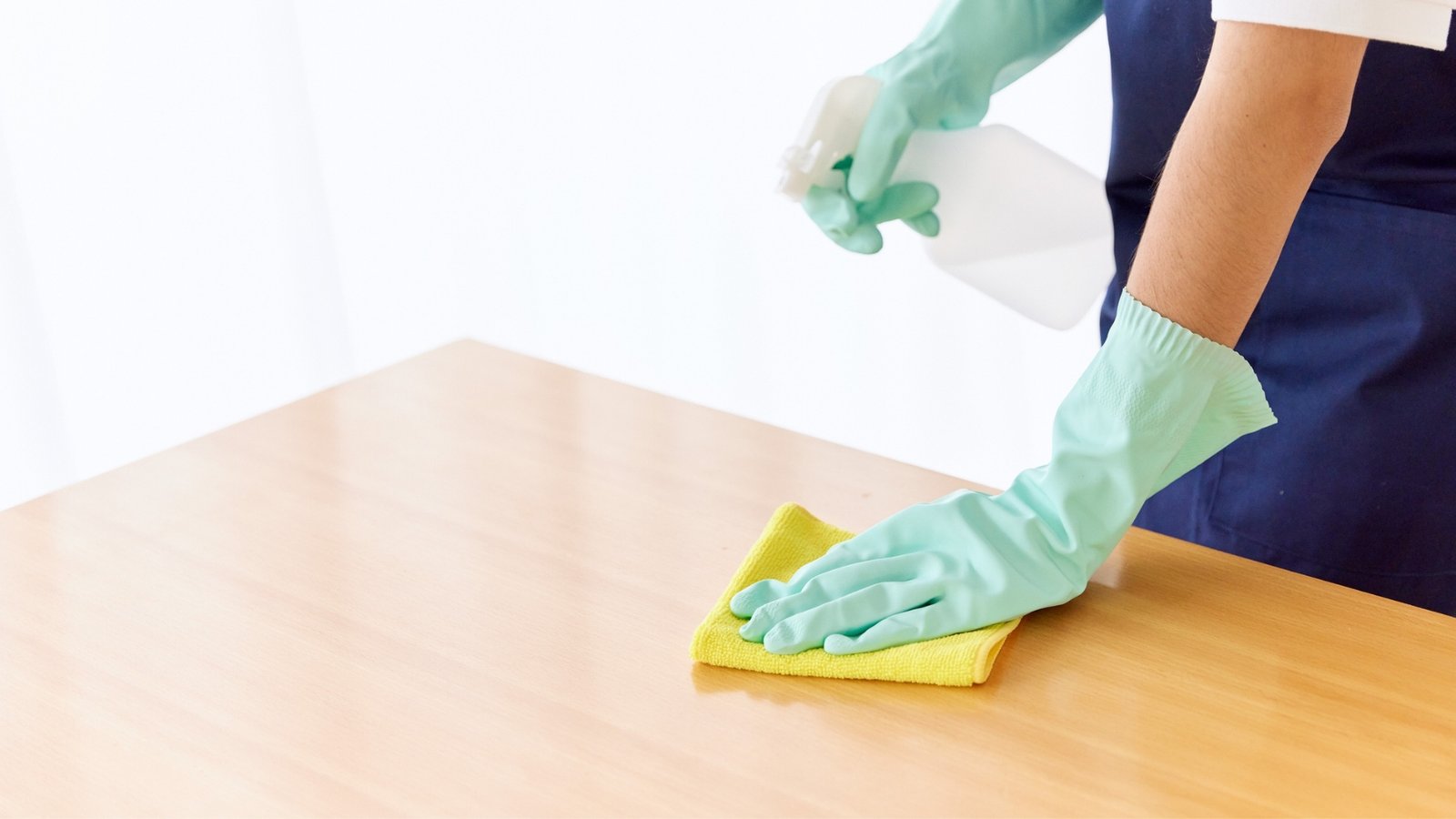
Life on Lake Chesdin has a quality that’s genuinely difficult to replicate elsewhere. The water, the views, the particular rhythm of a community built around one of central Virginia’s most beautiful reservoirs — it’s the kind of environment that makes the decision to live here feel immediately worth it. What takes a little longer to fully appreciate is what that environment asks of your home in return. Waterfront living at Chesdin Landing is extraordinary, but it’s also harder on a house than most homeowners coming from inland properties fully anticipate.
Humidity that stays elevated across extended seasons. Moisture that works into surfaces, finishes, and structural cavities in ways that don’t become visible until they’ve been developing for months. Algae and organic growth on exterior surfaces and window tracks. Sand and fine particulate tracked in from docks and shoreline. The particular indoor air quality challenges that come with a home that sits close to open water year-round. All of it creates a cleaning dynamic that generic advice doesn’t address — because generic advice wasn’t written for homes like yours.
This guide is written specifically for Chesdin Landing homeowners who want to understand the unique cleaning challenges their waterfront property presents, how to approach deep cleaning in a way that addresses those challenges effectively, and when professional help delivers results that DIY efforts can’t match.
What Makes Deep Cleaning Waterfront Homes Different From Standard Home Cleaning?
Deep cleaning waterfront homes requires specific attention to moisture management, humidity-related surface damage, organic growth in exterior and interior transition zones, and the accelerated accumulation patterns that proximity to open water creates. Standard cleaning protocols address what accumulates in typical inland homes — waterfront deep cleaning must also address what water, humidity, and organic environment introduce that those protocols were never designed to handle.
Understanding What Lake Chesdin Does to Your Home
Before getting into room-by-room cleaning approaches, it helps to understand the environmental conditions at Chesdin Landing specifically — because the cleaning challenges here are a direct product of the physical environment, and understanding the cause makes the cleaning strategy make more sense.
Humidity Is the Defining Challenge
Lake Chesdin is a reservoir covering approximately 3,100 acres, and homes that sit along its shoreline are in near-constant contact with the moisture that large body of open water produces. Relative humidity at waterfront properties stays measurably higher than at inland homes, particularly during Virginia’s warm months when water evaporation is at its peak. Foggy mornings, damp evenings, and the persistent moisture that settles on every outdoor surface are daily realities of Chesdin Landing living.
Inside the home, that humidity differential matters enormously for cleaning and maintenance. Moisture finds its way into every permeable surface — wood, grout, silicone seals, window tracks, wall cavities adjacent to exterior surfaces, and anywhere that ventilation is less than ideal. The conditions ideal for mold and mildew development exist more consistently and more pervasively in a waterfront home than in an inland property, and the cleaning approach needs to reflect that reality.
Organic Material from the Water Environment
Living adjacent to a lake means living adjacent to the biological environment that comes with it. Algae, pollen from aquatic and shoreline vegetation, fine organic particulates carried in water vapor, and the material tracked in from docks, boat ramps, and shoreline areas all make their way into and onto Chesdin Landing homes. Window tracks fill with organic debris that isn’t present in inland homes. Outdoor surfaces develop biological growth that shoreline moisture and shade accelerate. Interior surfaces in rooms with lake-facing windows and frequently used doors accumulate a particular kind of dust that contains more organic content than typical household dust.
Sand, Silt, and Fine Abrasive Particulate
Chesdin Landing homeowners who use the lake — whether swimming, boating, fishing, or simply spending time near the water — track fine particulate from the shoreline into the home on a near-daily basis during active seasons. Sand and silt are abrasive, and when they’re tracked onto hardwood or tile floors and walked across repeatedly, they cause accelerated surface wear that isn’t reversible without refinishing or replacement. Managing this particulate through both cleaning practices and physical barriers is a specific maintenance priority for waterfront homes that inland cleaning advice doesn’t typically address.
Accelerated Surface Deterioration
The combination of elevated humidity, salt content in water vapor, biological material from the lake environment, and the UV exposure that comes with large open water views creates an environment that accelerates surface deterioration on both exterior and interior surfaces. Paint chalks faster. Grout absorbs biological material more readily. Window seals degrade sooner. Metal fixtures oxidize more quickly. Understanding that the timeline for surface maintenance at Chesdin Landing is compressed compared to inland properties helps homeowners approach both cleaning and maintenance with appropriate frequency.
Lake House Cleaning Tips: Room by Room for Chesdin Landing Homes
Entry Points and Transition Zones — Your First Line of Defense
In any home, the entryway is the primary interface between the outdoor environment and the living space. In a waterfront home at Chesdin Landing, that interface is more demanding than in most properties because what’s coming in from outside is more varied, more moisture-laden, and more potentially damaging.
Build a proper transition zone. The most effective single investment a Chesdin Landing homeowner can make for floor and surface cleanliness is a well-designed transition zone at every primary entry point — particularly those used when coming in from the dock, boat, or shoreline. This means a high-quality exterior mat that captures debris before it reaches the threshold, a substantial interior mat with moisture-absorbing capacity, a dedicated area for removing footwear, and a rack or storage solution for damp gear, towels, and lake equipment that keeps moisture contained in one place rather than dispersed throughout the home.
Clean transition zones more frequently than the rest of the home. The accumulation rate in entryways at Chesdin Landing properties is significantly higher than in standard homes. Sand and silt tracked in from the shoreline should be swept or vacuumed daily during active lake seasons — not weekly. A damp mop of hard entry floors every few days prevents abrasive particulate from being redistributed further into the home with every subsequent foot of traffic.
Address dock and outdoor shower areas regularly. If your Chesdin Landing property includes a dock or outdoor shower area used to rinse off before entering, these transition spaces require their own regular cleaning to prevent algae and biological growth buildup that eventually gets tracked inside. Non-slip surfaces on docks and exterior steps accumulate biological growth that should be addressed before it becomes a safety issue as well as a cleanliness one.
Windows — The Feature That Waterfront Living Demands Most
Lake-facing windows are one of the primary reasons Chesdin Landing homes are so desirable — and they’re also one of the most demanding maintenance surfaces in a waterfront property. The combination of water vapor, biological material from the lake environment, mineral content in moisture that settles on glass, and the sheer volume of use that lake views encourage creates a window cleaning challenge that standard quarterly cleaning doesn’t adequately address.
Clean window interiors more frequently than you would in an inland home. During high-humidity seasons, the interior glass of lake-facing windows accumulates a fine film of moisture-deposited material that dulls the view noticeably over relatively short periods. A monthly interior window clean during warm months — more frequent than the twice-yearly schedule that might suffice elsewhere — maintains the clarity that makes waterfront views worth having.
Window tracks are a priority, not an afterthought. Window tracks in Chesdin Landing homes accumulate organic debris, moisture, and biological growth at a rate that inland home tracks simply don’t. Neglected window tracks become channels for water infiltration, sources of mold that spreads to adjacent surfaces, and eventually structural problems when moisture works into the window frame. Deep cleaning window tracks — removing the accumulated debris, treating for biological growth, and drying thoroughly — should happen at minimum twice yearly and more frequently in windows adjacent to the lake.
Address exterior window frames for organic growth. The shaded, moisture-exposed exterior surfaces of window frames facing the lake are common sites for algae and mold growth that eventually works its way into adjacent surfaces. This is an exterior cleaning consideration that connects directly to the interior — addressing biological growth on exterior frames reduces the material being introduced to interior surfaces through window operation.
Bathrooms — Elevated Stakes in a High-Humidity Environment
Bathrooms in any home present humidity and moisture challenges. In a Chesdin Landing waterfront property, those challenges are compounded by the baseline humidity already present throughout the home — meaning bathrooms start with a higher moisture load than their inland counterparts and accumulate biological growth faster.
Ventilation is non-negotiable. Bathroom ventilation fans in waterfront homes need to work harder and run longer than those in inland properties because the ambient humidity they’re working against is higher. Running the fan during and for a minimum of twenty minutes after every shower isn’t just good practice — it’s an essential maintenance behavior in a Chesdin Landing home. If bathroom ventilation fans haven’t been cleaned recently, dust-coated fans are moving less air than they should and contributing to the moisture conditions they’re meant to prevent. Cleaning bathroom fans should be a regular component of the home’s maintenance routine, not an occasional afterthought.
Grout requires more frequent attention. The elevated humidity at Chesdin Landing homes accelerates mold development in bathroom grout. What might require quarterly grout cleaning attention in an inland home may need monthly attention here — particularly in showers with less-than-ideal ventilation or bathrooms adjacent to the lake-facing side of the house. Maintaining grout before biological growth becomes established is dramatically easier than restoring grout after mold has penetrated the material.
Silicone seals degrade faster. The silicone caulking in bathrooms at waterfront properties is under more constant moisture stress than in inland homes and degrades accordingly. Regular deep cleaning of silicone seals combined with periodic assessment of their condition — and prompt recaulking when mold has penetrated or the seal shows signs of deterioration — prevents the moisture infiltration that causes damage extending well beyond the visible surface.
Check beneath sinks and in cabinet bases. The combination of plumbing moisture and elevated ambient humidity in a Chesdin Landing bathroom creates favorable conditions for mold development beneath vanity cabinets and in the cabinet bases around pipes — areas that don’t get regular visual attention. Including these spaces in bathroom deep cleaning inspections catches moisture problems early, before they’ve extended into surrounding structure.
Kitchens — Managing Moisture and Organic Growth
Kitchen cleaning in a waterfront home involves the standard challenges of cooking residue, grease, and bacteria alongside the waterfront-specific concern of elevated humidity affecting surfaces and encouraging biological growth in areas that wouldn’t be problematic in a drier environment.
Cabinet interiors near exterior walls. Kitchen cabinets on exterior walls adjacent to the lake-facing side of Chesdin Landing homes can experience elevated moisture infiltration, particularly in older properties or those where exterior sealing has degraded. Mold development in the back corners of base cabinets on exterior walls is a cleaning challenge that extends into a structural one if moisture infiltration isn’t addressed. Including these cabinet interiors in regular deep cleaning inspections — not just the cleaning itself — catches developing issues before they escalate.
Refrigerator drip tray and coils. The refrigerator drip tray and the coil area are humidity collection points in any kitchen, but particularly in a waterfront home where ambient moisture content is higher. The drip tray should be emptied and cleaned quarterly at minimum — more frequently in a Chesdin Landing home where the ambient conditions accelerate bacterial and mold growth in standing moisture. Coils coated in dust and debris in a humid environment create conditions for biological growth that affects both appliance performance and kitchen air quality.
Exhaust ventilation effectiveness. Kitchen range hood ventilation in a waterfront home needs to be fully functional and regularly maintained because the moisture from cooking combines with the ambient humidity of the environment to create particularly favorable conditions for grease vapor condensation on surfaces. A clean, functional range hood filter makes a meaningful difference in how quickly kitchen surfaces reaccumulate the film that cooking generates.
Living Areas and the Lake-Facing Spaces
The living areas of a Chesdin Landing home — particularly those with lake-facing glass, open layouts connecting to outdoor decks, or high ceilings that accumulate warm, humid air — have their own specific deep cleaning considerations.
Ceiling and upper wall areas in open-plan spaces. Warm, humid air rises, and in the open-plan living areas common to lake homes, it accumulates at ceiling height where it can deposit moisture on surfaces and encourage biological growth in corners and near exterior wall junctions. Cleaning ceiling areas, upper corners, and the tops of walls in these spaces — and inspecting for any discoloration that suggests mold development — should be part of every deep cleaning session.
Hard flooring and the abrasive particulate problem. Hardwood, tile, and other hard floor surfaces in Chesdin Landing living areas are exposed to higher volumes of abrasive particulate from lake activity than comparable inland floors. Vacuuming before mopping — every time, without exception — prevents grit and sand from being turned into an abrasive slurry by a wet mop, which accelerates surface wear rather than cleaning it. HEPA vacuuming that captures fine particulate rather than redistributing it protects floor finishes over the long term.
Soft furnishings and the humidity absorption problem. Upholstered furniture, area rugs, curtains, and other soft furnishings in a waterfront home absorb ambient moisture more readily than in a drier inland environment. This moisture absorption creates conditions for dust mite proliferation, biological growth in fabric, and the persistent musty odor that Chesdin Landing homeowners sometimes notice in furnished rooms that haven’t been properly ventilated and cleaned. Regular HEPA vacuuming of soft furnishings, combined with periodic professional cleaning and attention to ventilation, manages this problem proactively rather than reactively.
Humidity Cleaning Challenges: What Requires Professional Attention
Many of the cleaning challenges specific to Chesdin Landing waterfront homes are manageable with consistent DIY habits — but several require professional equipment, products, and technique to address effectively.
Established Mold in Grout and Silicone
Once mold has penetrated below the surface layer of grout or established itself within silicone seals, consumer-grade cleaning products don’t adequately address it. The surface discoloration improves temporarily but the biological material below the surface continues to develop, and the problem returns quickly. Professional deep cleaning with commercial-grade antimicrobial products and appropriate application technique addresses established mold at a level that consumer products cannot replicate — and home cleaning in Chesdin Landing that includes this level of bathroom restoration is meaningfully different from what a well-intentioned DIY effort achieves.
Hard Water and Mineral Scale on Glass and Fixtures
The mineral content of water vapor and water contact at Chesdin Landing properties leaves scale deposits on glass surfaces, fixture chrome, and tile that accumulate into stubborn buildup over time. Professional descaling with commercial-strength products removes this buildup without damaging the underlying surfaces in a way that retail descalers frequently fail to do — particularly on shower glass, which requires specific technique and chemistry to restore without scratching.
HVAC and Ventilation System Cleaning
The HVAC system in a Chesdin Landing waterfront home is working in a higher-humidity environment than inland systems and accumulates biological material in ducts and filter housings at an accelerated rate. Professional HVAC and duct cleaning — beyond simply replacing filters — removes the biological load from the air distribution system that contributes to indoor air quality issues and odors in waterfront homes. This is a periodic professional service that complements regular cleaning and makes a measurable difference in how the home smells and feels.
Exterior Surface Biological Growth
The algae, mold, and biological growth that accumulates on exterior surfaces of Chesdin Landing homes — decking, siding, window frames, dock surfaces — requires professional pressure washing with appropriate detergents and technique for effective removal. These exterior cleaning needs connect directly to interior cleanliness, because biological material on exterior surfaces adjacent to entry points is continually being introduced to the interior on footwear, clothing, and through air exchange.
Building a Deep Cleaning Schedule for Your Chesdin Landing Home
The standard cleaning frequency recommendations for inland homes don’t map directly onto waterfront properties at Chesdin Landing. The environmental conditions here compress the timeline for when surfaces need professional deep cleaning attention.
A practical annual deep cleaning rhythm for a Chesdin Landing waterfront home looks something like this:
Spring — before peak lake season begins. A full professional deep clean in April or May addresses the moisture accumulation of winter and prepares the home for the high-use summer season. Priority areas: bathrooms for mold restoration, windows and window tracks, entryway and transition zones, HVAC vents and returns.
Mid-summer — for high-use households. Homes with heavy lake use during summer months — families with children, properties that host frequent guests, homes where the door to the dock is in constant use — benefit from a mid-season professional clean in July that addresses the accelerated accumulation of the peak activity period.
Fall — before the home is sealed up for winter. A thorough fall deep clean before windows are closed for the season and the home enters its lower-activity winter period addresses everything summer generated. Priority areas: soft furnishings that absorbed summer humidity, bathroom grout and silicone seals, kitchen deep cleaning including appliance interiors, floor deep cleaning.
Periodic — as specific issues arise. Mold in a window track, scale buildup on shower glass, biological growth in a cabinet corner — these issues should be addressed professionally as they’re identified rather than left until the scheduled seasonal clean.
Residential cleaning services in Chesdin Landing calibrated to this seasonal rhythm keep a waterfront home in the condition its setting deserves — and prevent the accumulation of moisture-related damage that progressively degrades surfaces and finishes over time.
Daily and Weekly Habits That Protect Your Chesdin Landing Home Between Deep Cleans
Professional deep cleaning resets the baseline. Daily and weekly habits maintain it. A few specific practices make the most difference in a waterfront home environment.
Run dehumidifiers during high-humidity periods. Managing indoor relative humidity below 50% creates conditions less favorable to dust mite proliferation and mold development. During Virginia’s humid summer months, this typically requires active dehumidification rather than relying on air conditioning alone — particularly in lower-level spaces adjacent to the lake.
Wipe down lake-facing windows weekly during summer. The film that accumulates on lake-facing window interiors during humid months develops quickly. A weekly wipe with a clean microfiber cloth prevents buildup that requires more effort to remove once it has accumulated.
Sweep or vacuum hard floors daily during active lake seasons. The abrasive particulate tracked in from lake activity is the primary threat to hard floor finishes in a Chesdin Landing home. Daily removal prevents it from being worked into the floor surface by continued foot traffic.
Address any visible moisture immediately. Water infiltration around window frames, condensation pooling on surfaces, or any visible moisture in wall or floor areas should be investigated and addressed immediately rather than monitored. In a high-humidity waterfront environment, unchecked moisture infiltration develops into mold within days, not weeks.
Rinse and dry dock equipment, towels, and lake gear outside. Keeping damp, organically contaminated lake equipment outside rather than inside the home reduces the moisture and biological material load introduced to interior spaces with every lake outing.
The Reward of Getting It Right
Chesdin Landing is one of those places where the living environment is genuinely exceptional — and a home that is properly cleaned and maintained reflects that environment rather than working against it. The particular clarity of a lake-facing window without mineral film. The bathroom that smells clean and looks genuinely restored rather than just maintained. The living spaces that feel fresh rather than subtly damp and musty. These are the results of a cleaning approach calibrated to what waterfront living actually requires — not what standard advice assumes.
For Chesdin Landing homeowners who want their home to feel as good as its setting looks, house cleaning services in Chesdin Landing from a professional team that understands waterfront cleaning challenges is the most effective path to that outcome — and the most reliable way to protect the investment that lakefront living represents.
Ready to Deep Clean Your Chesdin Landing Waterfront Home?
If your Chesdin Landing home is overdue for the kind of deep clean that actually addresses the challenges waterfront living creates, Clockwork Cleaning is ready to help. Serving Chesdin Landing and surrounding Virginia communities, Clockwork Cleaning brings a thorough, detail-focused approach to every deep clean — understanding the specific demands that lake homes make and delivering results that reflect both the quality of the home and the setting it occupies.
Visit clockworkcleaningva.com to request a quote and find out what professional deep cleaning means for your waterfront home in Chesdin Landing.